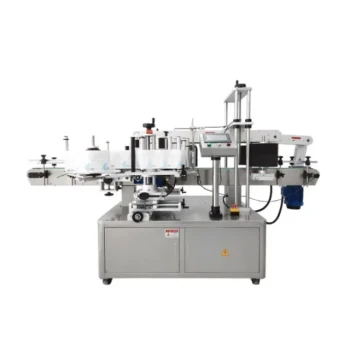
VFFS (Vertical Form Fill Seal) and HFFS (Horizontal Form Fill Seal) are automated packaging systems designed to create a bag, fill it with product, and seal it in a single continuous process. The fundamental difference lies in their physical orientation: VFFS machines construct and fill bags vertically, utilizing gravity, while HFFS machines move the packaging material horizontally through the fill stations.
Core Takeaway While both machines automate the "form, fill, and seal" process, your choice is dictated by product consistency and package size. VFFS is the standard for smaller, single-serve pouches, whereas HFFS is the superior choice for handling difficult textures like liquids or sticky items, as well as larger bulk packaging.
Operational Differences
Vertical Form Fill Seal (VFFS)
As the name implies, a VFFS machine operates vertically. It forms a tube of film, and the product is dispensed downwards into the bag.
This vertical orientation typically relies on gravity to assist in moving the product into the package before it is sealed.
Horizontal Form Fill Seal (HFFS)
An HFFS machine operates on a horizontal plane. The film travels horizontally through the machine as it is formed into a pouch, filled, and finally sealed.
Because the product travels sideways rather than dropping straight down, this machinery offers different handling capabilities for specific product types.
Matching the Machine to the Product
Handling Complex Textures
The orientation of the machine significantly impacts how it handles "difficult" products.
HFFS machines are generally better suited for complex liquids or sticky items. The horizontal motion allows for more controlled filling of viscous products that might smear or clog a vertical drop system.
Sizing Requirements
Your desired package volume is a critical deciding factor.
HFFS machines are typically the preferred solution for larger bags or bulk packaging needs. Conversely, VFFS machines are most often utilized for smaller formats, such as single-serve pouches or snack bags.
Understanding the Trade-offs
The Limitation of Vertical Feeding
While VFFS systems are efficient for many standard products, they can struggle with goods that do not flow freely.
If you are packaging a sticky or highly viscous liquid, a vertical drop can lead to product getting caught in the seal area, compromising package integrity. In these scenarios, the trade-off of switching to a horizontal system is often necessary to ensure a clean seal.
Volume vs. Footprint
Choosing one machine over the other often involves a trade-off regarding pack size versatility.
If you invest in a VFFS system for its efficiency with single-serve pouches, you may limit your ability to pivot to bulk packaging later without acquiring new machinery. HFFS systems generally offer the capacity for larger bulk items that VFFS architectures cannot accommodate.
Making the Right Choice for Your Goal
To select the correct machinery, you must prioritize the physical characteristics of your product and your target package size.
- If your primary focus is handling complex liquids or sticky items: Choose the HFFS machine for better control over difficult product textures.
- If your primary focus is producing large or bulk packaging: Select the HFFS machine to accommodate the larger volume requirements.
- If your primary focus is smaller, single-serve packaging: Opt for the VFFS machine, which is optimized for these smaller formats.
Aligning the machine's orientation with your product's viscosity and size is the key to efficient automation.
Summary Table:
| Feature | VFFS (Vertical) | HFFS (Horizontal) |
|---|---|---|
| Orientation | Vertical (Gravity-fed) | Horizontal (Linear) |
| Ideal Product Size | Small, single-serve pouches | Large, bulk, or heavy bags |
| Product Texture | Free-flowing solids/powders | Viscous liquids, sticky items |
| Best For | Speed & space efficiency | Handling complex textures |
| Primary Mechanism | Film formed into a vertical tube | Film moves horizontally for filling |
Optimize Your Production Line with HONESTBEE
Choosing between VFFS and HFFS is critical for maintaining product integrity and operational speed. At HONESTBEE, we specialize in providing commercial apiaries and distributors with the precise tools they need to scale. Whether you are packaging small honey pouches or bulk beekeeping consumables, our expertise ensures you get the right machinery for the job.
How we add value to your business:
- Comprehensive Range: From high-speed honey-filling machines to specialized hive-making hardware.
- Targeted Solutions: We cater specifically to the needs of the beekeeping industry, ensuring compatibility with your unique products.
- Wholesale Advantage: Full-spectrum supply of tools, machinery, and cultural merchandise for global distributors.
Ready to elevate your packaging efficiency? Contact us today to find the perfect automation solution for your apiary or distribution business!
Related Products
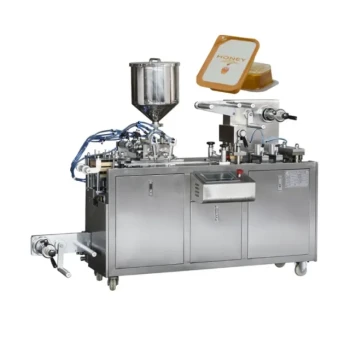
- Professional Durable Customizable Blister Packing Machine
- Pneumatic Double Nozzle Honey Filling Bottling Packaging Machine
- Pneumatic Paste Filling Machine Bottling Packaging Machine Single Nozzle
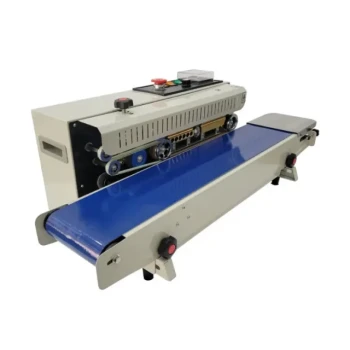
- Automatic Continuous Heat Sealing Machine
- Manual Beeswax Comb Foundation Machine Wax Foundation Mill Embossing Machine
People Also Ask
- What is the purpose of a packaging machine? Boost Efficiency & Cut Costs for Your Business
- How do packaging machines improve efficiency? Boost Output and Slash Costs with Automation
- How many bags can the packaging machine make per minute? Unlock the Right Speed for Your Production Line
- What factors can affect the efficiency and quality of the packaging process? Optimize Your Production Workflow
- What are the common types of packaging machines? A Guide to Filling, Sealing, Wrapping & Labeling