Co-managing Apis cerana and Apis mellifera requires species separation, stronger pest surveillance, and equipment selected for different colony behaviors. The main risks are interspecies robbing, incompatible mating encounters, and transmission of pests and diseases between colonies. Because A. mellifera often lacks the defensive adaptations that help A. cerana tolerate local threats, mixed apiaries must be designed around the more vulnerable species.
The central management principle is to prevent contact before relying on treatment. Use isolated apiary layouts, robber screens, species-appropriate hive hardware, and dedicated monitoring and treatment equipment to reduce pest spillover and protect susceptible A. mellifera colonies.
Why Mixed-Species Apiaries Create Biosecurity Risks
Robbing increases disease and pest transfer
Apis cerana has a stronger tendency toward robbing, swarming, and absconding than A. mellifera. Robbing bees can move between colonies while carrying mites, spores, pathogens, contaminated food, and hive debris.
Open feeding, exposed honey, damaged comb, and poorly fitted hive components increase this risk. Apiary equipment must therefore support rapid spill cleanup, controlled entrances, and secure hive maintenance.
Intermating attempts can cause colony disruption
The two species are not managed as interchangeable mating populations. Interactions between their drones and queens can result in lethal or unsuccessful mating attempts, while unmanaged drone movement complicates breeding control.
Mixed-species operations should use species-isolated apiary zones, controlled queen-rearing areas, and clear hive identification. Equipment inventories should also prevent accidental movement of frames, queens, brood, or tools between species.
Parasites can cross species boundaries
Apis cerana is a natural host for Varroa destructor and has evolved behaviors that can limit mites largely to its drone brood. That tolerance does not mean the mites are harmless to neighboring A. mellifera colonies.
When mites move into A. mellifera colonies, the colonies may experience severe infestation without effective intervention. Nosema ceranae and other pests or pathogens may also cross-infect colonies, so mixed apiaries require monitoring rather than assumptions based on visible colony strength.
How Pest Vulnerabilities Differ by Species
Apis mellifera requires active Varroa management
Commercial A. mellifera colonies generally need routine Varroa surveillance and, when indicated, treatment. A colony that appears productive can still carry a damaging mite load.
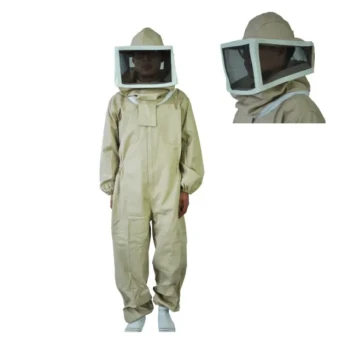
Useful equipment includes sticky boards or monitoring trays, mite-counting tools, sampling equipment, screened bottom boards where appropriate, and chemical or organic treatment applicators. Treatment tools should be selected according to the approved product label and local regulations.
Apis cerana is not pest-free
The defensive behavior of A. cerana against Varroa does not eliminate all health risks. It can remain vulnerable to acarine mites, sacbrood, foulbrood, and other regionally important threats.
Consequently, equipment should not be purchased solely around A. mellifera pests. A mixed operation needs diagnostic tools and treatment supplies capable of addressing the specific diseases and parasites present in its location.
Local threats can disproportionately affect A. mellifera
Introduced A. mellifera populations may lack effective defenses against local pests such as giant hornets, Tropilaelaps mites, small hive beetles, and certain microbial diseases. In tropical or subtropical regions, this vulnerability can make delayed detection especially costly.
Depending on local risk, distributors and beekeepers may need to provide hornet traps, entrance guards, beetle traps, sanitation tools, and hive inspection equipment alongside conventional Varroa supplies.
Equipment Choices That Strengthen Biosecurity
Use species-isolated apiary layouts
Place A. cerana and A. mellifera colonies in separate apiary zones rather than treating them as one interchangeable group. Distance, orientation, entrance placement, and distinct work areas can reduce drifting and accidental contact.
The equipment implication is practical: operations benefit from clearly labeled hive stands, dedicated transport equipment, separate storage areas, and color-coded tools. A one-stop supplier should be able to assemble these items as a coordinated biosecurity package rather than as unrelated products.
Install robber screens and controllable entrances
Robber screens and adjustable entrance reducers help limit forced entry and reduce the visual cues that can trigger robbing. They are particularly valuable during nectar dearths, colony stress, feeding, or inspections.
Entrance equipment must fit the hive design and colony size. A solution that works for a large A. mellifera colony may be unsuitable for a smaller A. cerana colony unless it can be adjusted precisely.
Maintain hive integrity differently for each species
A. mellifera uses propolis to seal cracks and sanitize internal surfaces. A. cerana does not collect propolis in the same manner, so poorly fitted boxes, lids, entrances, and joints may remain more exposed.
For A. cerana equipment, prioritize accurate box dimensions, tight-fitting lids, durable joints, replacement seals, and practical hive-maintenance hardware. Standardized manufacturing is valuable because consistent bee space and structural fit reduce inspection and pest-control problems.
Dedicate tools or enforce strict sanitation
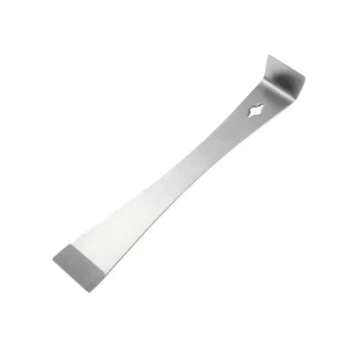
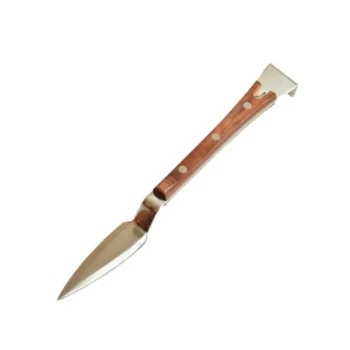
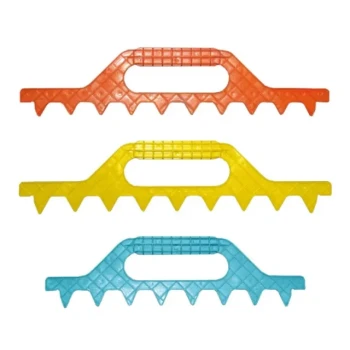
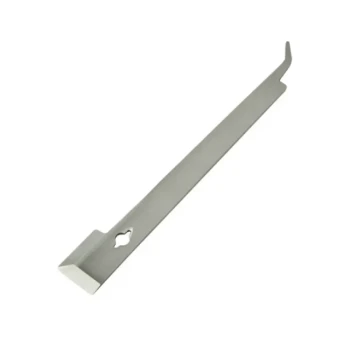
Hive tools, gloves, brushes, frame carriers, feeders, and inspection equipment can transfer contaminated material. Ideally, each species has dedicated tools; where that is impractical, tools should be cleaned and disinfected between apiary zones.
This requirement affects purchasing quantities. The lowest-cost approach is not always the lowest-risk option if insufficient equipment encourages rushed cleaning or cross-use during inspections.
Select frames and boxes for the managed species
Both species can be managed in movable-frame hives, but they differ in colony population, body size, comb dimensions, and production scale. A. mellifera generally supports larger colonies and higher honey throughput, while A. cerana commonly requires smaller-scale or regionally adapted hive configurations.
Suppliers should confirm frame dimensions, bee-space requirements, entrance accessories, box compatibility, and replacement availability before recommending a standardized hardware package.
Monitoring and Treatment Must Be Species-Specific
Build surveillance into routine inspections
Monitoring trays, sticky boards, brood inspections, sampling containers, and recordkeeping systems help identify pest movement before it becomes a colony-wide problem. The same inspection schedule and threshold should not automatically be applied to both species.
Records should identify the species, hive, apiary zone, date, observed pest, treatment, and follow-up result. This information allows managers to detect whether a problem is localized or moving between species.
Treat the source and the receiving colonies
If pests are detected in A. mellifera near A. cerana, managers should investigate both groups rather than treating only the visibly affected hive. Conversely, treatment decisions for A. cerana must reflect its own biology and approved local options.
Equipment packages should therefore include diagnostic supplies, application tools, protective equipment, replacement trays, and sanitation materials. Treatment without follow-up monitoring can conceal ongoing transmission.
Protect treatments from cross-contamination
Chemical and organic treatments must be stored, measured, applied, and removed correctly. Shared applicators or incorrectly labeled products can create both efficacy and residue risks.
Dedicated, clearly labeled treatment kits are preferable. Fast replenishment and reliable fulfillment matter because surveillance findings may require immediate action during an active infestation.
Understanding the Trade-offs
Maximum standardization versus species suitability
Standardized hive-making machinery and movable-frame systems improve dimensional accuracy, inspection efficiency, and replacement availability. However, forcing both species into identical hardware can compromise entrance control, comb management, colony fit, or local adaptation.
The sound approach is standardize manufacturing quality and inventory control, not necessarily every component dimension.
Shared equipment versus dedicated equipment
Sharing extractors, transport boxes, and tools can reduce capital costs and simplify procurement. It also increases the chance of transferring pests, pathogens, honey, wax, or brood between species.
High-throughput equipment may be shared only under a documented cleaning and workflow system. Direct-contact items, such as brushes, hive tools, feeders, and frame carriers, are better dedicated by species or apiary zone.
High-capacity processing versus smaller colony scale
A. mellifera colonies generally produce more honey and may justify robust multi-story hives, high-capacity extractors, and automated filling equipment. A. cerana colonies often produce less and may require more flexible, smaller-scale handling systems.
Purchasing only for peak A. mellifera throughput can create unnecessary cost or handling problems for A. cerana. A modular processing setup may provide better operational flexibility where both species are commercially important.
Treatment intensity versus resistance and compliance
Frequent intervention can protect susceptible colonies, but unnecessary treatment increases labor, cost, residue concerns, and the risk of poor application practices. Monitoring should guide treatment, with products and methods selected according to local registration and label requirements.
How to Apply This to Your Apiary or Product Portfolio
A reliable mixed-species program should combine physical separation, species-specific hive hardware, dedicated inspection supplies, and rapid access to pest-control equipment.
- If your primary focus is biosecurity: Separate A. cerana and A. mellifera by apiary zone, use robber screens and controlled entrances, and dedicate or disinfect tools between species.
- If your primary focus is Varroa control: Stock monitoring trays, sampling tools, mite-counting supplies, and approved treatment applicators, with special protection for A. mellifera colonies.
- If your primary focus is regional pest protection: Add hornet traps, entrance guards, beetle traps, disease diagnostics, and sanitation equipment based on local threats.
- If your primary focus is hive hardware: Match boxes, frames, entrances, seals, and bee space to each species instead of assuming one universal configuration.
- If your primary focus is commercial efficiency: Combine standardized hive production and processing machinery with modular species-specific components and clearly separated workflows.
- If your primary focus is distribution or resale: Offer complete, rapidly fulfilled biosecurity packages supported by technical guidance, replacement parts, and species-specific product compatibility information.
With the right separation, surveillance, and equipment architecture, co-managing Apis cerana and Apis mellifera becomes a controlled biosecurity operation rather than a preventable source of pest spillover.
Summary Table:
| Challenge | Impact on Apiary Management | Required Equipment |
|---|---|---|
| Robbing | Increased disease/pest transfer | Robber screens, controlled entrances, spill cleanup tools |
| Intermating attempts | Colony disruption, breeding control issues | Species-isolated zones, clear hive ID, separate queen-rearing areas |
| Cross-species parasites | Severe Varroa in A. mellifera, Nosema, etc. | Sticky boards, mite-counting tools, treatment applicators |
| Species-specific vulnerabilities | A. mellifera requires active Varroa management; A. cerana less resistant to some diseases | Diagnostic tools, region-specific pest controls (hornet traps, beetle traps) |
| Equipment fit | Different bee space, colony size, and behavior | Custom frames, boxes, entrance reducers, sturdy joints |
Protect your mixed-species apiary with HONESTBEE. We provide a full spectrum of beekeeping tools, machinery, and consumables tailored for commercial apiaries and distributors. Our rapid response, dedicated service, and fast fulfillment ensure you get the right equipment for effective biosecurity. Contact us today to build a species-specific biosecurity package that minimizes pest spillover and maximizes colony health.
Related Products
- Professional 600D Oxford Cloth Beekeeping Tool Bag with 8 Pockets and Elastic Loops
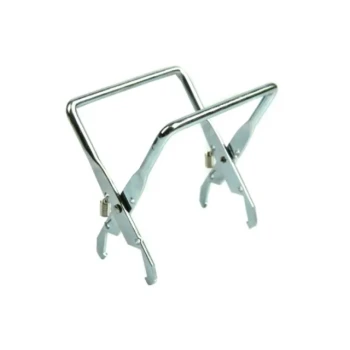
- Durable Galvanized Steel Frame Grip
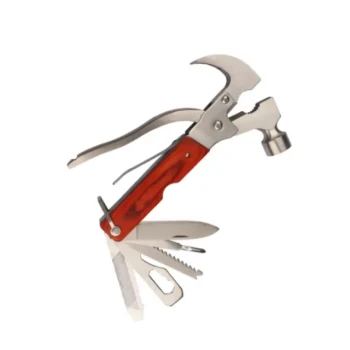
- HONESTBEE 15-in-1 Beekeeper Multi-Tool with Hammer and Pliers for Beekeeping
- Professional Grade Foldable Beehive Handles
- Yellow Plastic Bucket Pail Perch for Beekeeping
People Also Ask
- What is the recommended method for storing beekeeping tools? Expert Vertical Storage Solutions for Your Apiary
- How does a favorable microclimate interact with beekeeping tools? Boost Overwintering Success and Equipment Longevity
- Why is the treatment of beekeeping tools with high-concentration chemical disinfectants necessary for preventing AFB?
- How does the genetic identification of honeybee populations influence the selection of beekeeping tools? Precision Gear Guide
- What essential beekeeping tools are needed besides the hive? Must-Have Gear for Every Apiary