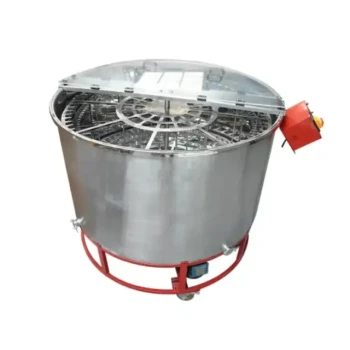
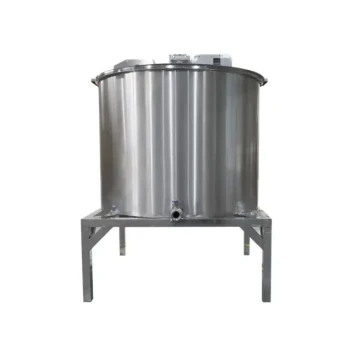
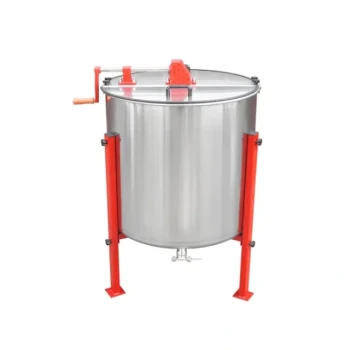
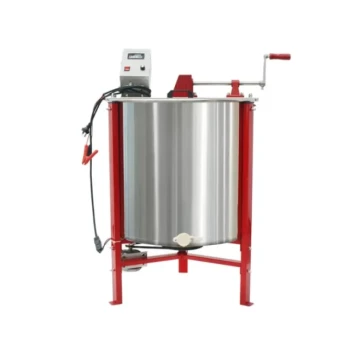
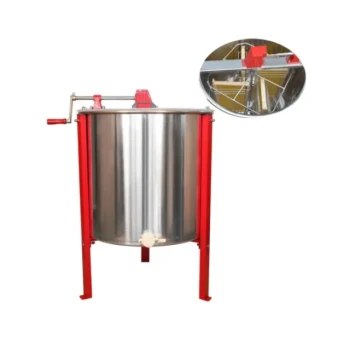
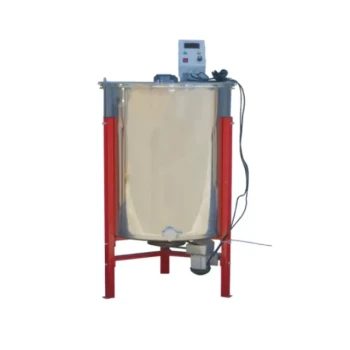
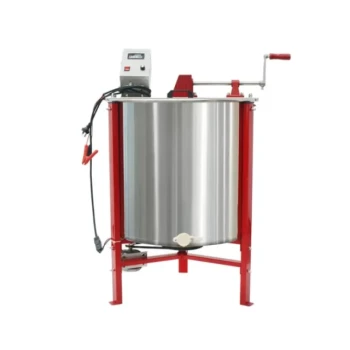
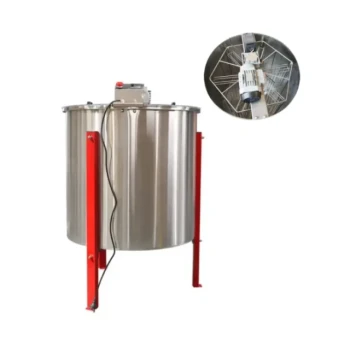
Automated honey extraction serves as the technological cornerstone for scaling beekeeping operations from artisanal to commercial levels. It utilizes programmed control of rotation speeds and centrifugal force to separate honey from the comb with high efficiency. Crucially, this technology achieves maximum extraction without structurally damaging the delicate honeycomb frames, a frequent casualty of manual processing.
By replacing variable manual labor with precision mechanics, automated extraction eliminates the bottleneck between harvest and bottling. It ensures consistent product hygiene and volume, acting as the primary driver for increasing the commercial competitiveness of medium-to-large apiaries.
The Mechanics of Efficiency and Yield
Precision Control of Force
Automated systems rely on programmed rotation speeds. Unlike manual hand-cranking, which applies inconsistent force, automated extractors ramp up speed according to specific algorithms.
This tailored approach ensures that even high-viscosity honeys are extracted efficiently. The result is a significantly higher yield per frame compared to manual methods.
Preserving the Honeycomb Asset
The honeycomb frame is a beekeeper’s most valuable reusable asset. Excessive force or operator error in manual extraction often cracks or destroys the wax foundation.
Automated equipment balances the force required to dislodge honey with the need to protect the wax. This allows the intact frames to be immediately returned to the hive, enabling bees to refill them without wasting energy rebuilding the comb.
Hygiene and Market Standardization
Eliminating Secondary Contamination
Manual processing involves significant human handling and prolonged exposure to open air. This increases the risk of introducing physical impurities or bacterial contamination.
Automated systems often utilize closed operations and food-grade materials. This hermetic approach drastically reduces "secondary contamination," ensuring the biological activity of enzymes and flavor compounds remains intact.
Meeting Export and Safety Standards
For honey to be sold in high-end markets or exported over long distances, it must meet rigorous consistency standards. Manual processing results in high variability between batches.
Automation provides the standardization necessary for regulatory compliance. By removing human error from the filtration and separation process, producers can reliably obtain food safety certifications required for global trade.
Understanding the Trade-offs
While automation is superior for scaling, it introduces specific operational demands.
Capital and Maintenance Intensity
The transition to automation requires a significant upfront investment in machinery. Unlike simple manual extractors, these systems require regular technical maintenance to ensure the motors and programming remain calibrated.
The Scale Requirement
Automated equipment is designed for high throughput. For small-scale hobbyists, the efficiency gains may not justify the cost or the physical footprint required to house the machinery. This technology provides the highest return on investment for medium-to-large apiaries aiming for commercial dominance.
Making the Right Choice for Your Operation
Deciding to implement automated extraction depends on your specific production targets and market goals.
- If your primary focus is Commercial Scalability: Invest in automation to maximize throughput and ensure your product meets the strict standardization requirements for export and retail chains.
- If your primary focus is Asset Longevity: Prioritize equipment with advanced speed programming to protect your honeycomb frames, reducing the biological energy burden on your bee colonies.
- If your primary focus is Product Purity: Utilize automated, enclosed systems to minimize human contact and oxidation, preserving the natural enzymes and commanding a higher price point.
Automation is not just about speed; it is the strategic shift that turns a raw agricultural product into a certified, market-ready commodity.
Summary Table:
| Feature | Automated Extraction | Manual Extraction |
|---|---|---|
| Yield Consistency | High (Programmed centrifugal force) | Low (Variable physical effort) |
| Comb Preservation | High (Algorithmic speed control) | Low (High risk of breakage) |
| Hygiene Control | Superior (Closed food-grade systems) | Basic (Manual handling exposure) |
| Market Readiness | Export-ready standardization | Variable batch quality |
| Labor Demand | Low (Scale-efficient) | High (Physically intensive) |
Scale Your Honey Production with HONESTBEE
Transitioning from artisanal methods to commercial success requires the right technological partner. HONESTBEE specializes in empowering commercial apiaries and distributors with high-performance beekeeping tools and automated machinery.
Whether you need precision honey-filling machines, hive-making equipment, or specialized consumables, our comprehensive wholesale portfolio is designed to increase your throughput and ensure product purity. Let us help you meet global food safety standards and maximize your return on investment.
Ready to upgrade your extraction facility? Contact HONESTBEE today to discuss your equipment needs.
References
- Yaneth Patricia Romero Álvarez, William A. Niebles. Technological Surveillance Study on the Development of Beekeeping Technologies. DOI: 10.70082/esiculture.vi.1616
This article is also based on technical information from HonestBee Knowledge Base .
Related Products
- HONESTBEE 72 Frame Industrial Electric Honey Extractor for Beekeeping
- 32 Frame Commercial Electric Honey Extractor for Beekeeping and Honey Production
- Commercial Electric 12 Frame Honey Extractor Spinner Motorized Honey Extractor
- HONESTBEE 2 Frame Manual Acrylic Honey Extractor Beekeeping Equipment
- Electric 8 Frame Honey Spinner Extractor Equipment for Beekeeping
People Also Ask
- What is the importance of balancing honeycomb frames within a honey extractor? Ensure Stability and Protect Machinery
- How is honey separated from the frames after they are uncapped? Efficient Extraction Methods for High Yields
- What are the main benefits of using a honey extractor? Maximize Yields and Protect Your Honeycomb
- What are the recommended methods for removing honey from the honeycomb? Top Extraction Techniques for Maximum Efficiency
- How do manual honey extractors compare to electric honey extractors? Choosing the Right Tool for Your Apiary Growth