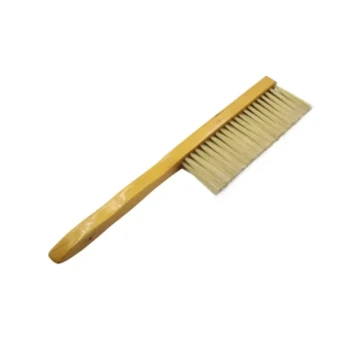
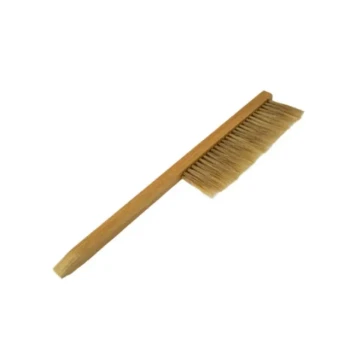
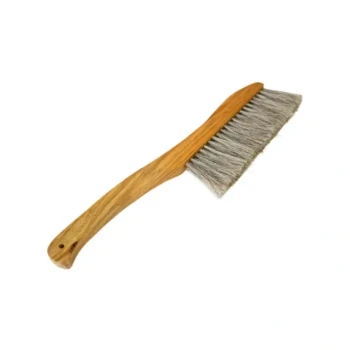
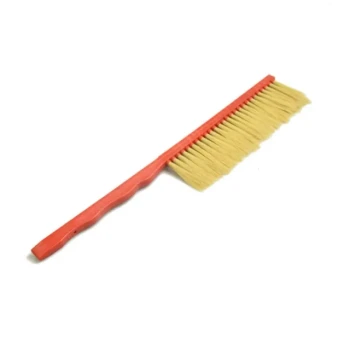
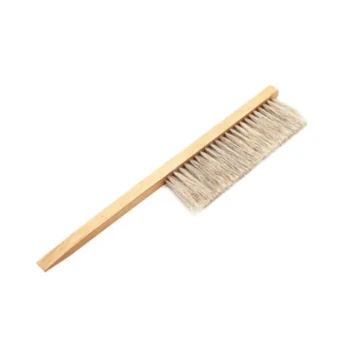
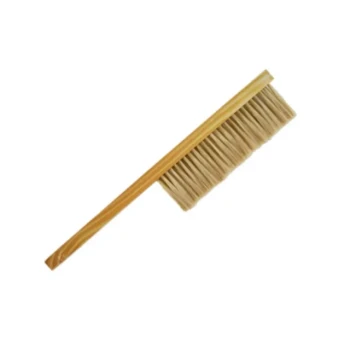
Choose a bee brush with long, exceptionally soft, washable bristles. These features allow beekeepers to gently move bees from comb frames, hive bodies, and protective clothing during inspections and honey harvesting. The brush should clear bees efficiently while minimizing injury, agitation, and disruption to the colony.
The correct bee brush is defined primarily by gentle bee handling and practical hygiene: long, extra-soft bristles remove bees without crushing or irritating them, while washable construction supports repeated use across hive inspections and harvesting operations.
What the Bee Brush Must Achieve
Remove bees without causing harm
A bee brush is used to encourage bees away from frames and other hive surfaces, not to forcefully dislodge them. Soft bristles reduce the risk of injuring bees or provoking defensive behavior.
This is especially important before honey extraction, when frames must be cleared carefully without damaging the colony or the comb.
Minimize colony disturbance
A brush with sufficiently soft bristles allows the beekeeper to work with controlled, light movements. Excessive pressure or harsh bristles can increase stress and create unnecessary disruption during hive management.
For professional users, gentle handling supports more predictable inspections and harvesting routines.
Work across common beekeeping surfaces
The brush should be suitable for sweeping bees from comb frames, hive bodies, and protective suit fabric. A versatile design is more useful than a brush intended for only one surface.
For distributors and resellers, this broad application makes the product relevant to both hobbyist and commercial beekeeping customers.
Key Design Features to Evaluate
Long bristles
Long bristles provide sufficient reach to contact bees across the surface of a frame or hive component. They help the beekeeper clear bees without relying on forceful contact.
Long bristles are a core selection criterion because they support efficient sweeping during inspections and harvesting.
Exceptionally soft bristle material
The bristles should be soft enough to move bees gently rather than scrape, crush, or trap them. Softness is the most important functional characteristic of the brush.
When comparing products, buyers should assess whether the bristles feel flexible and gentle rather than stiff or abrasive.
Washable construction
A washable bee brush is easier to clean between hive inspections. This supports better hygiene and allows the same tool to be used repeatedly in professional operations.
Washability is particularly valuable for commercial beekeepers, service providers, and resellers supplying customers who need durable, repeat-use equipment.
A practical brush format
The brush should be easy to control while working around frames and hive bodies. Its overall format should support precise, gentle sweeping rather than awkward or uncontrolled movements.
When evaluating supplier samples, buyers should consider whether the brush can be handled comfortably while wearing protective equipment.
Match the Brush to the Operation
Hive inspections
During inspections, the brush should help clear bees from frame surfaces without unnecessarily disturbing the colony. Long, soft bristles support careful access to the frame and surrounding hive components.
The goal is controlled movement, not rapid or aggressive removal.
Honey harvesting
Before extraction, beekeepers may need to remove bees from frames efficiently. A soft brush helps prepare frames while reducing the likelihood of injury to bees or damage to the comb.
For harvesting-focused customers, gentleness and efficient coverage should be evaluated together.
Removing bees from protective clothing
Bees can also land on protective suit fabric. A suitable brush should be gentle enough to sweep them away without irritating them or damaging the fabric.
This broader use increases the practical value of the product across routine apiary work.
Do Not Confuse a Bee Brush with a Frame Grip
Different tools solve different problems
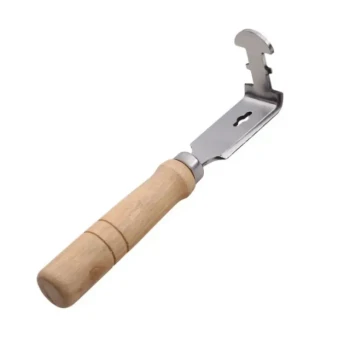
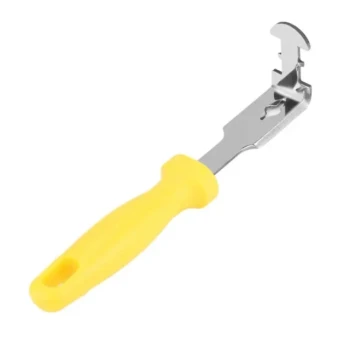
A bee brush gently moves bees away from hive surfaces. A frame grip clamps onto a frame so the beekeeper can lift heavy, bee-covered frames more securely.
These tools are complementary, not interchangeable.
When a frame grip is also needed
A frame grip may reduce manual strain and help prevent accidental frame drops or crushed bees when lifting frames from supers. It does not replace the brush’s role in gently clearing bees from the frame.
For distributors, offering both tools supports a more complete hive-management product portfolio.
Understanding the Trade-offs
Softer is generally safer, but efficiency still matters
Very soft bristles are preferable for bee welfare, but the brush must still have enough length and usable coverage to clear bees effectively. A product that is gentle but difficult to control may slow down harvesting work.
The best choice balances bee safety, coverage, control, and repeat usability.
Washability requires appropriate maintenance
A washable brush supports hygiene, but users still need to clean it properly and allow it to dry before reuse. Washability should therefore be treated as a practical maintenance feature, not a substitute for routine care.
Suppliers should communicate cleaning expectations clearly to customers.
A bee brush cannot replace careful handling
Even a well-designed brush can cause problems if used with excessive pressure or sweeping force. The tool reduces risk, but operator technique remains important.
Training and product instructions should reinforce gentle, deliberate use.
Low-cost construction may compromise professional value
A lower purchase price can be attractive, but buyers should verify the softness, length, durability, and washability of the bristles. If these core features are weak, the product may create dissatisfaction or require frequent replacement.
For B2B buyers, consistent quality is often more important than the lowest unit cost.
Choosing a Product for Professional Distribution
Define the customer’s operating environment
Wholesalers and resellers should identify whether the intended users are hobbyists, commercial apiaries, honey processors, or beekeeping service providers. These customers may prioritize different combinations of usability, hygiene, and order volume.
A broad portfolio can cover these segments without treating every buyer as having identical requirements.
Verify the core specifications
Before approving a product, confirm that it has:
- Long bristles
- Exceptionally soft bristles
- Washable construction
- Practical control during sweeping
- Suitability for frames, hive bodies, and protective clothing
These criteria directly reflect the brush’s intended function.
Evaluate supplier reliability
For distributors and B2B resellers, product design is only part of the purchasing decision. Reliable communication, responsive customer service, efficient order fulfillment, and fast delivery also affect the product’s commercial value.
A capable supplier should be able to support repeat orders and provide clear information about the product’s intended use and maintenance.
Making the Right Choice for Your Goal
Use the following priorities to match the brush to the operating requirement:
- If your primary focus is bee welfare: Choose a brush with long, exceptionally soft bristles and emphasize gentle sweeping technique.
- If your primary focus is honey harvesting: Select a washable brush that provides sufficient bristle length and coverage for efficiently clearing bees from frames.
- If your primary focus is routine hive inspections: Prioritize a controllable, versatile brush suitable for frames, hive bodies, and protective clothing.
- If your primary focus is professional resale: Source a consistently specified, washable product and pair it with complementary tools such as frame grips.
- If your primary focus is one-stop beekeeping supply: Build a product offering that combines bee brushes, frame grips, and other specialized hive-management equipment.
The right bee brush is a simple but important investment in safer, cleaner, and more controlled hive management.
Summary Table:
| Design Feature | Why It Matters |
|---|---|
| Long bristles | Provides reach to clear bees efficiently from frames and surfaces. |
| Soft bristle material | Gently moves bees without injury or agitation. |
| Washable construction | Supports hygiene and repeated use in professional operations. |
| Practical format | Allows controlled, precise sweeping while wearing protective gear. |
Ensure your hive management tools meet professional standards. At HONESTBEE, we supply a full spectrum of beekeeping equipment, including high-quality bee brushes designed for gentle handling and durability. For distributors and resellers, we offer competitive margins, OEM/ODM support, and reliable fast delivery. Contact us today to discuss wholesale options and streamline your supply chain!
Related Products
- Wooden Bee Brush with Triple Row Artificial Fiber for Beekeeping
- Classic Wooden Bee Brush with Double-Row Boar Bristles
- Premium Triple-Row Horsehair Bee Brush
- Plastic Handle Single Row Artificial Fiber Bee Brush
- Wooden Bee Brush with Double-Row Horsehair Bristles
People Also Ask
- What is the specific function of a bee brush? Ensure Pure Harvests and Colony Welfare During Honey Extraction
- What are the key characteristics of the bristles on a bee brush? Master Gentle and Efficient Bee Removal
- What is the purpose of using a bee brush during the inspection of hive components? Safe & Precise Hive Management
- What problem does a bee brush solve? Protect Your Colony with Gentle Precision Tools
- Why is a bee brush necessary when extracting honeybee hive frames that contain larvae? Protect Your Brood and Colony