Modern movable-frame hives offer a decisive advantage in pest and disease control through non-destructive accessibility. Unlike traditional hives with closed structures, modern equipment like the Langstroth hive allows beekeepers to remove independent frames to inspect larval health and identify early signs of infestation without dismantling the colony's home. This standardized architecture supports the precise application of medicinal fumigation, the placement of physical traps for pests like Small Hive Beetles, and advanced management techniques such as artificial colony splitting to curb epidemics.
The core limitation of traditional beekeeping is that the hive is a "black box," masking internal issues until they become critical. Movable-frame hives transform the colony into a verifiable system, allowing for the real-time diagnosis and targeted intervention necessary to maintain high epidemic prevention levels in the apiary.
The Principle of Non-Destructive Inspection
Visualizing the Internal State
In traditional log or wall hives, the comb is often fixed to the structure, making deep inspection impossible without destroying the nest. Movable-frame hives solve this by utilizing standardized frames that can be lifted out individually. This allows you to check the center of the brood nest where diseases typically originate.
Early Detection of Pests
The ability to manipulate individual combs is critical for spotting heavily camouflaged or elusive pests. The primary reference highlights the importance of this design for identifying early signs of Small Hive Beetles and Wax Moths. By the time these pests are visible on the exterior of a traditional hive, the infestation is often irreversible.
Monitoring Larval Health
Disease often manifests first in the brood. Movable frames allow for the use of diagnostic tools to observe larvae directly. This access enables you to distinguish between a healthy laying pattern and the spotty brood patterns indicative of bacterial or fungal infections.
Facilitating Targeted Interventions
Precision Fumigation and Medication
Because the interior volume and structure of modern hives are standardized, calculating and administering dosage is far more accurate. The design is conducive to medicinal fumigation, allowing treatments to circulate effectively between frames. This contrasts with traditional hives, where irregular comb structures can block airflow and reduce treatment efficacy.
Physical Trap Integration
Modern equipment is designed with clearances that accommodate physical pest control devices. You can place traps for beetles or moths between frames or on the bottom board without crushing bees or damaging comb. This allows for mechanical control methods that reduce reliance on chemicals.
Structural Management for Disease Prevention
Artificial Colony Splitting
One of the most powerful tools for disease control is artificial colony splitting, which is only feasible with movable frames. By dividing a colony, you can break the brood cycle of parasites or reduce the density of an apiary to prevent the spread of pathogens. This significantly improves the overall epidemic prevention level of the operation.
Hygiene and Comb Renewal
Supplementary data indicates that movable frames maximize the reuse of wax combs, but they also facilitate the removal of old, pathogen-laden combs. In traditional hives, old wax remains indefinitely. In modern hives, you can cycle out old frames to reduce the buildup of environmental toxins and disease spores.
Understanding the Trade-offs
The Burden of Management
While movable frames offer superior control, they require a more active management style. The "set it and forget it" approach often used with traditional hives is incompatible with this equipment. Neglecting inspections in a movable-frame system can lead to undetected swarming or rapid pest propagation if not monitored.
Equipment Complexity
The precise engineering required for movable frames creates a higher initial barrier to entry. Unlike traditional hives that can be constructed from rough materials, modern hives rely on strict adherence to "bee space" dimensions. Incorrectly spaced frames can lead to bees bridging comb across frames, negating the advantage of movability and complicating disease inspection.
Making the Right Choice for Your Goal
To leverage the full potential of movable-frame hives for colony health, consider your specific objectives:
- If your primary focus is Pest Exclusion: Prioritize the use of the frame spacing to install physical traps for Small Hive Beetles and Wax Moths immediately upon establishing the colony.
- If your primary focus is Disease Eradication: Utilize the movable capability to implement a strict schedule of larval inspections and cycle out old brood combs annually to lower pathogen loads.
The movable-frame hive is not just a housing unit; it is a precision instrument that turns beekeeping from a passive observation activity into an active health management science.
Summary Table:
| Feature | Traditional Hives (Fixed Comb) | Modern Movable-Frame Hives |
|---|---|---|
| Inspection Method | Destructive/Limited access | Non-destructive, individual frame removal |
| Early Detection | Difficult; issues often hidden | High; real-time diagnosis of brood health |
| Pest Control | Minimal options for traps | Integrated physical traps & precision dosing |
| Disease Prevention | Natural comb aging (high spores) | Systematic comb renewal & colony splitting |
| Intervention | Passive observation | Active, targeted medicinal fumigation |
Maximize Your Apiary’s Health with HONESTBEE
At HONESTBEE, we empower commercial apiaries and distributors with the precision tools needed for modern, effective disease management. From high-quality Langstroth hives and specialized frames to industrial-grade hive-making and honey-filling machines, we provide the full spectrum of equipment and consumables required to maintain a healthy, productive colony.
Ready to upgrade your wholesale supply or commercial operation with industry-leading hardware and honey-themed cultural merchandise?
Contact us today to explore our comprehensive beekeeping solutions!
References
- Sudi Dawud, Birahanu Giza. Diagnostic Survey of Honeybee Diseases, Pests and Predators in Selected Districts of West Hararghe Zone of Oromia, Ethiopia. DOI: 10.11648/j.avs.20241202.11
This article is also based on technical information from HonestBee Knowledge Base .
Related Products
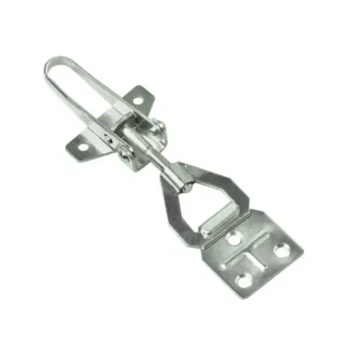
- Heavy Duty Adjustable Hive Connector
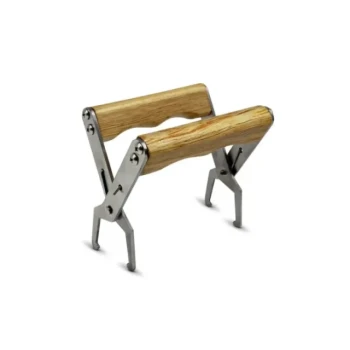
- Professional Grade Foldable Beehive Handles
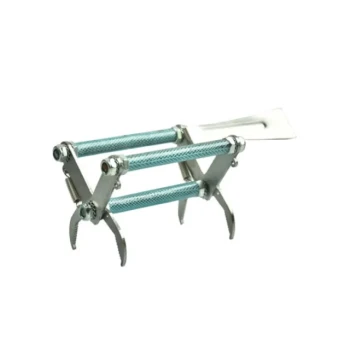
- Multi-Function Plier-Style Frame Grip Hive Tool
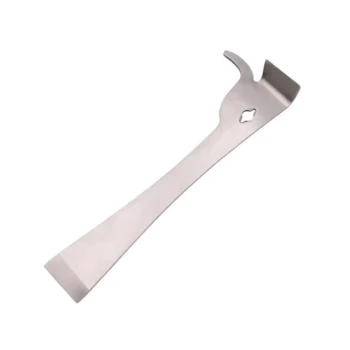
- Professional Multi-Function Stainless Steel Hive Tool
- Plastic Bee Frame Beekeeping Hive Frames for Wholesale
People Also Ask
- Under what circumstance are beehive connectors particularly beneficial? Optimize Handling for Full Beehive Attachments
- What is the advantage of using the beehive connector when handling full attachments? Achieve Safe and Efficient Hive Transport
- What are the primary functions of a beehive connector? Ensure Hive Stability and Safe Colony Transport
- How can the connection length and strength of a beehive connector be adjusted? Master Tension with Threaded Mechanics
- What is the purpose of the beehive connector? Secure Your Hive for Safe Transport