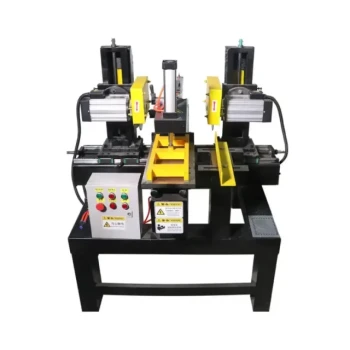
For large-scale queen production and colony expansion, commercial apiaries need two coordinated systems: a specialized queen-rearing operation and a reliable supply of standardized hive equipment. The essential infrastructure includes breeder colonies, cell-building colonies, grafting stations, cell bars, mating nuclei, queen transport equipment, and machinery for producing hive bodies and frames at scale.
Commercial expansion fails when queens are produced faster than colonies can be housed. The most effective setup integrates biological production—breeder, cell-builder, and mating systems—with standardized hive manufacturing, colony-division equipment, health-management supplies, and dependable order fulfillment.
Build the Queen-Production System
Breeder colonies
Breeder hives provide the genetic material for queen production. Commercial operations should manage selected colonies for traits such as productivity, resilience, temperament, and disease resistance.
These colonies supply larvae for grafting and should remain separate from high-volume cell-building and mating operations so their performance and lineage can be monitored accurately.
Cell-building colonies
Cell-building colonies provide the nurse bees, pollen stores, and royal jelly needed for developing queen cells. They must be strong enough to support repeated production cycles.
A small mating nucleus is not a substitute for a properly managed cell builder. Cell builders are designed for larval acceptance and queen-cell development, while mating nuclei are designed for mating flights and early queen performance.
Grafting equipment
The Doolittle grafting method is the principal system for predictable, high-volume queen production. A commercial grafting station typically requires:
- Fine larval grafting needles or other grafting tools
- Queen cell cups made from wax or plastic
- Cell bar frames
- Grafting frames or queen-rearing frames
- Suitable lighting and a stable work surface
- Tools for handling and transferring developing queen cells
The objective is consistent transfer of young larvae into prepared cups with minimal damage and rapid placement into the cell-building colony.
Starter and finisher components
Queen cells need suitable starter and finisher arrangements during development. These may be configured as separate colonies or as staged sections within a managed queen-rearing system.
The equipment must allow commercial staff to transfer, inspect, and organize cell bars efficiently without excessive disturbance to the developing queens.
Manage Mating and Queen Distribution
Mating nucleus hives
Mating nuclei are compact hive units used to house queen cells through emergence, mating flights, and the beginning of egg laying. They should be standardized, easy to inspect, and sized for efficient use of bees, feed, and frames.
A large operation needs enough mating nucs to prevent developing queen cells from becoming a production bottleneck. Their design should also support quick requeening, population balancing, and seasonal storage.
Queen introduction and transport equipment
Commercial queen production requires equipment for safely handling both virgin and mated queens. Important items include:
- Queen marking tools
- Queen introduction cages
- Queen transport cages
- Shipping containers for live queens
- Feed or candy provisions where appropriate
- Screened package-bee boxes with syrup feeders
These supplies support internal requeening, queen sales, package-bee distribution, and shipment to distributors or commercial beekeepers.
Optional genetic-control equipment
Artificial insemination equipment can provide greater control over breeding and genetic selection. It is an advanced capability rather than a universal requirement for commercial queen production.
It becomes most relevant when an operation is pursuing tightly controlled breeding programs, specific stock improvement goals, or repeatable genetic lines.
Standardize Colony Expansion Hardware
Hive bodies and supers
Every newly established colony needs a suitable hive structure. Commercial apiaries therefore require a dependable supply of standardized hive bodies, supers, bottom boards, covers, and related hardware.
Standardization simplifies inspection, frame movement, inventory control, repairs, and workforce training across hundreds or thousands of colonies.
Frames and foundation
Frames must match the hive dimensions used throughout the operation. Commercial expansion requires sufficient quantities of frames, foundation, and assembled or unassembled components to support new colonies, replacements, and seasonal growth.
Frame shortages can delay the placement of newly mated queens and create avoidable congestion in established colonies.
Hive-making machinery
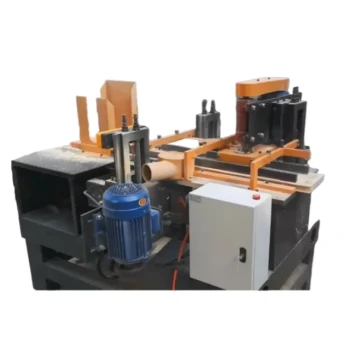
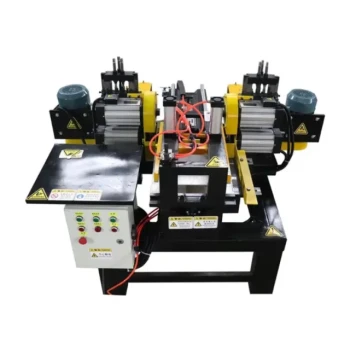
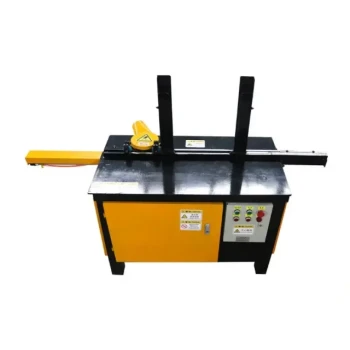
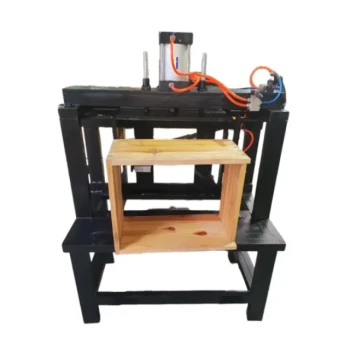
Commercial apiaries or their equipment suppliers may require specialized woodworking machinery, including:
- Box-jointing equipment
- Frame-cutting machinery
- Precision woodworking tools
- Assembly and fastening equipment
- Finishing and quality-control stations
Box-jointing machinery improves the speed and repeatability of hive-body production. Frame-cutting and precision woodworking equipment help maintain dimensional consistency, which is critical when components must be interchangeable across a large apiary.
Production and inventory infrastructure
Machinery alone does not create reliable capacity. The operation also needs organized space for raw lumber, hardware, frames, finished hive components, repairs, and seasonal inventory.
For distributors and wholesalers, the same principle applies at a broader level: maintaining a full-spectrum stock of queen-rearing supplies and standardized hive components reduces fulfillment delays for commercial customers.
Support Colony Health and Handling
Feed and colony-support supplies
Cell builders, mating nuclei, and expanding colonies require dependable access to feed and nutritional resources. Equipment planning should therefore include feeders and storage capacity for relevant colony-support materials.
Strong nurse populations and adequate pollen stores remain biological requirements that machinery cannot replace.
Health-management equipment
Commercial queen production must be supported by hive-health supplies and appropriate medication-management systems. Healthy breeder, cell-builder, and mating colonies are essential for consistent queen quality and colony survival.
Health supplies should be integrated into purchasing and inventory planning rather than treated as an emergency-only category.
Inspection and record-keeping tools
Large-scale breeding requires reliable identification and records for breeder colonies, graft batches, cell-builder cycles, mating nucs, and completed queens.
Marking tools, standardized labels, and operational records help prevent lineage confusion and make it easier to evaluate queen acceptance, mating success, and early egg-laying performance.
Add Infrastructure for Live Bee Sales
Package-bee shipping equipment
Apiaries selling package bees need screened shipping boxes designed to provide ventilation and secure transport. These boxes commonly include a syrup feeder and space for a caged mated queen.
The packaging system must be compatible with the operation’s handling workflow, transport requirements, and fulfillment volumes.
Nucleus-colony equipment
Nucleus colonies require compact hive bodies capable of securely housing brood frames, honey reserves, and adult bees. A consistent nuc format makes colony sales easier to assemble, inspect, price, and ship.
Nuc production also depends on having enough spare frames, queens, feed, and replacement components available during peak demand.
Honey-processing equipment
Honey extraction is not required to produce queens, but it becomes important when the same commercial apiary manages large honey-producing colonies. High-volume operations may need automatic uncapping equipment and heavy-duty centrifugal extractors.
These systems reduce labor per hive and help separate honey-processing capacity from queen-rearing and colony-expansion workflows.
Understanding the Trade-offs
More machinery does not replace biological capacity
Woodworking and assembly machinery can produce standardized equipment quickly, but it cannot create strong cell builders, viable mating colonies, or high-quality breeder stock.
The limiting factor may be nurse-bee populations, pollen availability, mating conditions, or queen acceptance rather than manufacturing speed.
Standardization improves efficiency but reduces flexibility
Using uniform hive bodies, frames, nucs, and cell bars simplifies operations and procurement. However, switching dimensions or mixing incompatible equipment can create handling problems and increase replacement costs.
A commercial apiary should select a standard and apply it consistently across production, expansion, maintenance, and sales.
Automation requires sufficient volume
Automatic uncappers, high-capacity extractors, and specialized woodworking machinery can reduce labor at scale. For smaller operations, however, the purchase, maintenance, training, and facility requirements may exceed the savings.
Equipment should be matched to actual colony numbers, seasonal throughput, labor availability, and sales commitments.
Mating capacity can become the hidden bottleneck
An apiary may have enough grafting tools and cell bars but too few mating nuclei to finish the queens it produces. This creates idle cell capacity and delays queen delivery.
Mating nuc numbers, replacement rates, feed requirements, and inspection labor should be planned alongside grafting capacity.
Supply reliability matters as much as product quality
Queen cells, cages, frames, hive bodies, and nucs are operationally linked. A shortage in one category can interrupt the entire production cycle.
Commercial buyers benefit from suppliers that can provide the complete equipment portfolio, respond quickly, maintain consistent specifications, and fulfill consolidated orders efficiently.
Making the Right Choice for Your Goal
The correct infrastructure depends on whether the priority is queen sales, internal colony replacement, rapid expansion, live-bee distribution, or broader commercial apiary production.
- If your primary focus is high-volume queen production: Prioritize breeder colonies, strong cell builders, grafting tools, cell bars, queen cups, mating nuclei, and queen transport equipment.
- If your primary focus is rapid colony expansion: Maintain a large inventory of standardized hive bodies, frames, foundation, nuc equipment, feeders, and replacement hardware.
- If your primary focus is live bee sales: Add screened package boxes, syrup feeders, queen cages, transport containers, and standardized nucleus hives.
- If your primary focus is genetic improvement: Invest in controlled breeder-colony management, detailed records, queen-rearing frames, and—where justified—artificial insemination equipment.
- If your primary focus is commercial honey production alongside expansion: Evaluate automatic uncappers and heavy-duty centrifugal extractors after confirming that extraction volume justifies the investment.
- If your primary focus is distribution or wholesale supply: Build a one-stop product portfolio covering queen-rearing supplies, hive hardware, machinery, shipping equipment, and health-management products, supported by rapid fulfillment and consistent specifications.
With the right balance of biological capacity, standardized hardware, and dependable supply infrastructure, commercial apiaries can expand colonies efficiently without allowing queen production or equipment availability to become the limiting factor.
Summary Table:
| Equipment Category | Purpose | Key Examples |
|---|---|---|
| Queen Production | Rearing and developing queens | Breeder colonies, cell-building colonies, grafting tools, cell bars, queen cups |
| Mating & Distribution | Managing mating and queen transport | Mating nucleus hives, introduction cages, transport cages, shipping containers |
| Colony Expansion Hardware | Housing new colonies | Hive bodies, supers, frames, foundation, bottom boards, covers |
| Hive-Making Machinery | Manufacturing hive components | Box-jointing equipment, frame-cutting machinery, woodworking tools |
| Health & Support | Maintaining colony health | Feeders, health-management supplies, inspection tools, record-keeping labels |
| Live Bee Sales | Shipping bees and nucs | Package-bee boxes, syrup feeders, nucleus hives |
| Honey Processing | Extracting honey if combined with production | Automatic uncappers, centrifugal extractors |
Ready to Equip Your Commercial Apiary for Success?
At HONESTBEE, we specialize in providing complete infrastructure solutions for large-scale queen production and colony expansion. Our comprehensive wholesale portfolio includes everything you need—from queen-rearing supplies like grafting tools and cell bars to hive-making machinery, standardized hive components, mating nucs, and shipping equipment. As a one-stop sourcing partner for commercial apiaries and distributors, we offer premium trading services with rapid response times, dedicated customer support, and ultra-fast delivery to ensure your operations never face bottlenecks.
Whether you're expanding your apiary, launching a queen-rearing program, or need reliable supply chains for your resale business, our team has the professional expertise to help. Benefit from our full-spectrum product range, OEM/ODM support, and commitment to quality.
Don't let equipment shortages limit your growth. Contact us today to discuss your project and get a tailored solution.
Related Products
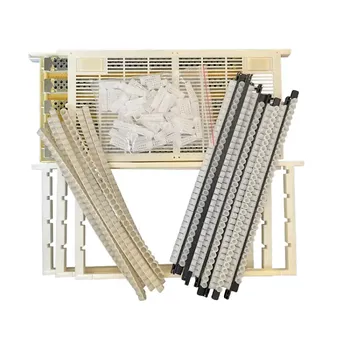
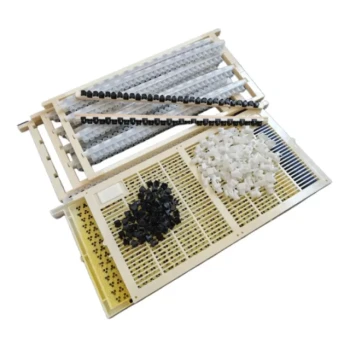
- HONESTBEE Improved No Grafting Queen Rearing Kit For Queen Rearing and Royal Jelly Production
- No Grafting Queen Rearing Kit: System for Royal Jelly Production and Queen Rearing
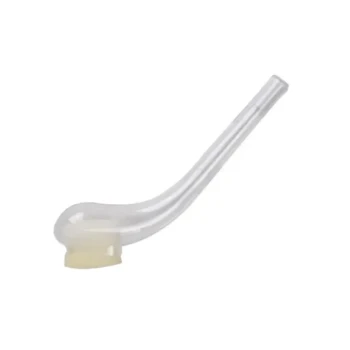
- Plastic Chinese Queen Grafting Tool for Bee Queen Rearing
- Stainless Steel Queen Grafting Tool for Beekeeping and Bee Queen Grafting
- Professional Queen Catcher and Introduction Queen Cage
People Also Ask
- How can commercial queen rearers and royal jelly producers align their harvesting schedules and equipment with the biological timing of larval development? Master the 48-Hour Grafting Window and 72-Hour Harvest Cycle
- How do honeybee reproductive traits affect queen rearing and hive equipment?
- What equipment and systems are utilized in queen rearing operations to scale queen bee production? Essential Tools for Commercial-Scale Queen Rearing
- How can commercial queen breeders and apiaries utilize low-density SNP screening alongside queen rearing equipment to maintain genetic purity in native honey bee populations? Achieve Genetic Purity with Efficient Screening
- What biological principles govern honeybee queen rearing, and why should commercial beekeepers use controlled queen-rearing equipment rather than relying on natural queen cells?