Mobile beekeeping succeeds when transport systems, hive hardware, and seasonal management work as one operation. Essential equipment includes durable standardized hives, secure transport platforms or trailers, loading tools, ventilation hardware, smokers, feeders, protective clothing, and monitoring devices. Management must then align colony movement with changing bloom sequences while controlling heat, water stress, handling time, and post-arrival recovery.
The central requirement is a standardized, transport-ready apiary system. Strong hive design and efficient logistics protect colonies during relocation, while phenology-based planning ensures they arrive where nectar and pollen are available.
Build a Transport-Ready Hive System
Use standardized, stackable hive components
Mobile operations need uniform hive bodies, frames, covers, and bases that can be inspected, stacked, loaded, and secured efficiently. Standardization reduces handling errors and makes replacement parts easier to source across multiple apiary locations.
For distributors and commercial buyers, a compatible product portfolio is especially valuable. Hive components, fasteners, ventilation parts, feeders, and inspection tools should work together rather than requiring operators to manage multiple incompatible systems.
Reinforce hives for repeated relocation
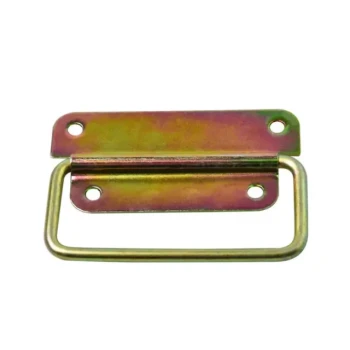
Migratory hives must withstand vibration, lifting, stacking, and repeated loading. Reinforced construction and secure hive hardware help protect the queen, brood, frames, and colony structure during transport.
Durability is not only a maintenance issue. A damaged hive can delay departure, expose bees to weather, and reduce colony performance after arrival.
Provide adequate ventilation
Transport hives require controlled airflow, particularly during warm-weather movement and dense loading. Ventilation designs should support airflow without creating unnecessary openings that allow bees to escape or expose the colony to external hazards.
The correct design must balance air exchange, structural security, and weather protection. Ventilation should be checked before every movement rather than assumed to be adequate because the hive is normally suitable for stationary use.
Equip the Operation for Efficient Loading and Movement
Match transport capacity to colony numbers
Specialized trailers, flatbed vehicles, and hive transport platforms allow operators to move colonies according to crop and landscape conditions. The vehicle must be appropriate for the number of hives, the weight of stacked equipment, the travel distance, and the available loading method.
A mismatch between colony volume and transport capacity creates delays and increases handling stress. Planning should account for the entire movement, including loading, securing, unloading, and return logistics.
Use mechanical loading and handling equipment where appropriate
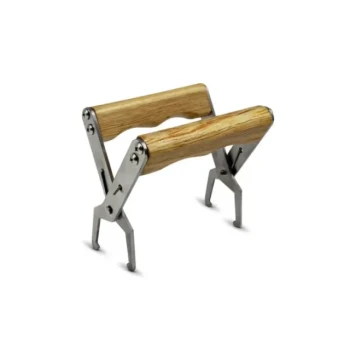
Efficient loading tools reduce manual lifting and shorten the period in which colonies are being disturbed. For large commercial apiaries, mechanical handling equipment can be essential to move substantial numbers of hives safely and consistently.
Loading equipment should be selected as part of a complete workflow. It must fit the hive dimensions, trailer or truck configuration, site access conditions, and available labor.
Secure hives throughout transit
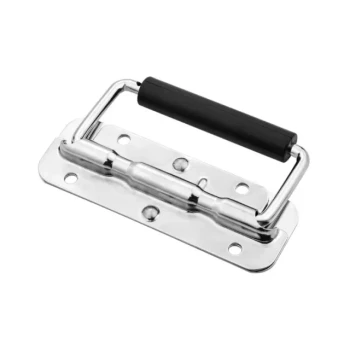
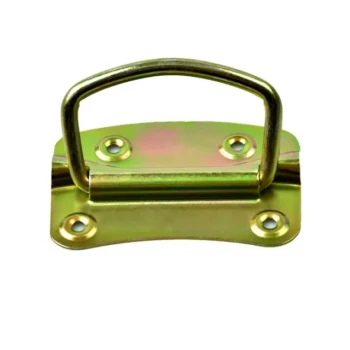
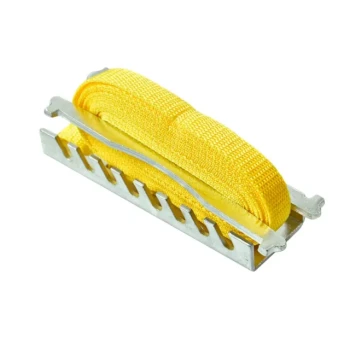
Hive straps, stack restraints, supports, and other securement hardware help prevent shifting during transport. Securement should protect both the hive and its ventilation openings without obstructing necessary airflow.
Operators should inspect restraints before departure and after arrival. Repeated use, vibration, and weather exposure can weaken hardware even when no failure has yet occurred.
Support Colony Health Before, During, and After Relocation
Use smokers and protective equipment
A reliable smoker helps maintain calmer colony behavior during inspections, loading preparation, and unloading. Protective suits, veils, gloves, and suitable footwear remain essential when colonies are handled in unfamiliar locations or under time pressure.
Protective equipment should be complete, correctly sized, and readily accessible at every apiary. Delayed access to basic protection can turn a routine inspection or loading task into an avoidable safety problem.
Provide feeders and feeding attachments
Feeders and compatible attachments give operators a practical way to support colonies when nectar availability is delayed or inconsistent. This is particularly relevant when climate conditions disrupt expected flowering dates or when colonies arrive before a major bloom is fully productive.
Feeding equipment should be selected to fit the hive system and installed securely. It should also be included in the movement inventory so that colonies are not relocated without the tools needed for short-term support.
Monitor colony condition and hive environment
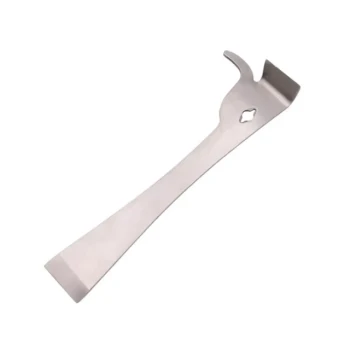
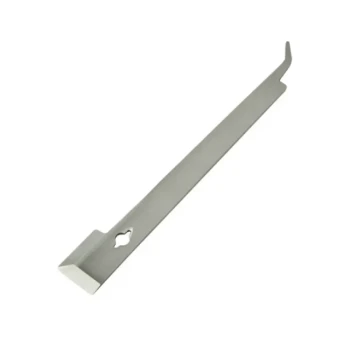
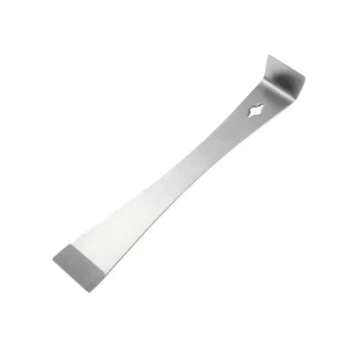
Hive monitoring tools help assess colony strength, food availability, and post-transport recovery. Inspection tools remain important even when digital monitoring is available, because operators still need to examine frames, brood condition, and general colony behavior.
Monitoring should occur before departure, after arrival, and during the new flowering period. The purpose is to identify weakening colonies early rather than treating all hives as if they respond identically to relocation.
Align Movement With Shifting Floral Phenology
Plan around bloom sequences, not fixed calendars
Climate variation can alter flowering dates, nectar secretion, water availability, and the duration of productive forage. Mobile beekeeping therefore requires flexible movement plans based on actual floral conditions rather than historical dates alone.
Flowering often progresses spatially across regions, including from south to north and from plains toward higher elevations. Operators can use this progression to determine where colonies should be placed next, provided transport capacity and colony readiness support the move.
Track forage, water, and weather conditions
A destination should offer more than a nominal crop bloom. Operators must consider whether nectar is actually available, whether precipitation or heat has affected the plants, and whether colonies will have sufficient water and suitable conditions after arrival.
This is where equipment and management meet. Transport systems create mobility, but field intelligence determines whether the next location is genuinely better for colony performance.
Schedule movement around bee behavior
Relocation is generally planned when bees have returned to the hive, commonly at night or during other suitable low-activity periods. The objective is to reduce the number of returning foragers left behind and to complete handling efficiently.
The precise schedule must also account for weather, road conditions, labor availability, and the need to protect colonies from excessive heat or prolonged confinement.
Design the Operational and Supply System
Standardize the mobile apiary inventory
A practical inventory should cover:
- Transport-ready hive bodies and frames
- Stackable boxes and securement hardware
- Trailers, platforms, or suitable transport vehicles
- Mechanical or manual loading equipment
- Ventilation components
- Smokers and fuel
- Protective suits, veils, gloves, and footwear
- Feeders and compatible attachments
- Inspection and hive monitoring tools
- Replacement parts and maintenance supplies
Standardized kits make it easier to equip new apiaries, replace damaged components, and respond quickly when a flowering opportunity changes.
Prepare for rapid deployment
Shifting phenology can shorten the window between identifying a productive bloom and needing colonies on site. Suppliers supporting mobile operators should be able to provide complete equipment packages, clear compatibility guidance, and fast order fulfillment.
A one-stop sourcing model is useful when a buyer needs hive hardware, transport accessories, protective equipment, and monitoring tools at the same time. Availability of replacement parts is equally important because a minor equipment shortage can delay an entire migration.
Coordinate people, vehicles, and equipment
Migration planning must match the number of colonies with available labor, vehicles, and loading machinery. The operation should define who prepares hives, who loads and secures them, who checks ventilation, and who inspects colonies after arrival.
This coordination reduces transition time and helps colonies begin foraging promptly at the new location. It also improves accountability when equipment is damaged or a colony requires special attention.
Understanding the Trade-offs
Mobility improves access but increases handling stress
Following successive blooms can improve access to nectar and support more consistent honey production. However, every move introduces vibration, confinement, loading risk, and a period of adjustment for the colony.
The best strategy is not to move colonies as often as possible. It is to move them when the expected forage advantage justifies the operational and biological cost.
High capacity improves efficiency but raises complexity
Large trucks and dense hive loading can make commercial migration economically efficient. They also increase dependence on reliable securement, ventilation, loading machinery, route planning, and experienced personnel.
High-capacity systems should therefore be paired with disciplined inspection procedures. Scaling the number of hives without scaling transport controls creates avoidable risk.
Specialized equipment requires compatibility discipline
Premium transport platforms and modular hive systems can improve speed and reliability, but incompatible dimensions or fittings can undermine those benefits. A feeder, frame, restraint, or ventilation component that does not match the hive system may cause delays in the field.
Buyers should evaluate equipment as a system, not as isolated products. Suppliers should clearly document dimensions, intended use, replacement options, and compatibility.
Fixed plans are vulnerable to climate variability
Historical flowering schedules provide useful reference points, but they are not sufficient when heat, low precipitation, and changing nectar secretion disrupt plant development. Operators need contingency destinations, reserve equipment, and the ability to adjust shipment timing.
Flexibility has a cost in inventory and planning effort. For climate-exposed operations, that cost is generally preferable to moving colonies into an unproductive or unsuitable forage area.
How to Apply This to Your Operation
Select equipment and services according to the operational outcome you need most.
- If your primary focus is rapid seasonal migration: Prioritize standardized stackable hives, secure transport platforms, efficient loading equipment, ventilation hardware, and suppliers capable of fast, complete order fulfillment.
- If your primary focus is colony safety during long-distance transport: Emphasize reinforced hive structures, reliable restraints, controlled ventilation, protective gear, and pre- and post-transport monitoring tools.
- If your primary focus is stable honey yields under changing climate conditions: Combine mobile transport equipment with flexible phenology tracking, feeders, hive monitoring, and contingency forage planning.
- If your primary focus is scalable commercial operations: Build a compatible product portfolio supported by replacement parts, dedicated technical service, coordinated logistics, and equipment matched to colony volume and available labor.
A resilient mobile apiary is built by connecting dependable equipment, disciplined handling, and flexible bloom-based management into one coordinated system.
Summary Table:
| Consideration | Equipment/Management | Key Points |
|---|---|---|
| Hive System | Standardized, stackable hives | Reduce handling errors; ensure compatibility |
| Ventilation | Transport ventilation | Balance airflow and security |
| Loading & Transport | Trailers, loading equipment, securement | Match capacity; secure hives; efficient loading |
| Colony Support | Smokers, feeders, monitoring | Maintain health; support nutrition; monitor recovery |
| Phenology Management | Bloom tracking, flexible scheduling | Follow actual blooms; adjust to climate variability |
| Operational System | Inventory, rapid deployment, coordination | Standardize inventory; fast supply; coordinate teams |
Ready to equip your mobile beekeeping operation for climate resilience? HONESTBEE offers a comprehensive wholesale range of beekeeping machinery, hive components, transport equipment, and monitoring tools. As a trusted B2B partner for commercial apiaries and distributors, we provide one-stop sourcing, rapid fulfillment, and expert support. Our OEM/ODM capabilities and certified products ensure reliable supply that maximizes your efficiency and profitability. Contact us today to discuss your requirements and benefit from our dedicated service and ultra-fast delivery.
Related Products
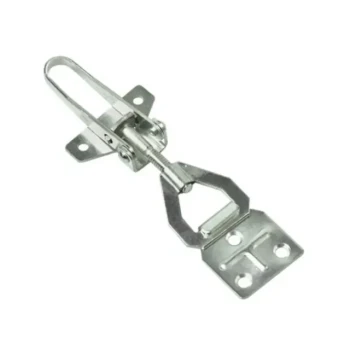
- Heavy Duty Adjustable Hive Connector
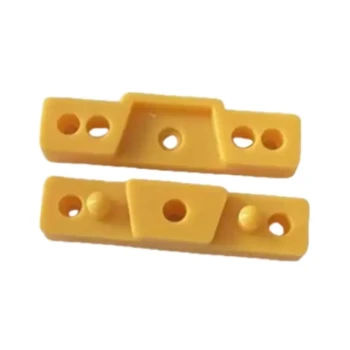
- Durable Plastic Interlocking Hive Connector for Beekeeping
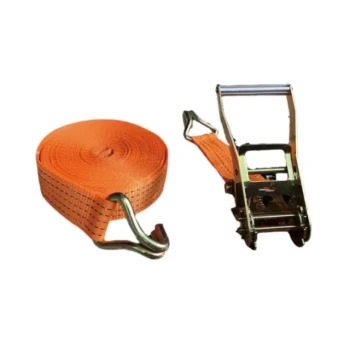
- Heavy Duty Ratchet Hive Strap
- Plastic Transporting Bee Packages and Nuc Boxes for Beekeeping
- Ergonomic Two Person Foldable Hive Lifter
People Also Ask
- Under what circumstance are beehive connectors particularly beneficial? Optimize Handling for Full Beehive Attachments
- What is the advantage of using the beehive connector when handling full attachments? Achieve Safe and Efficient Hive Transport
- What are the primary functions of a beehive connector? Ensure Hive Stability and Safe Colony Transport
- How can the connection length and strength of a beehive connector be adjusted? Master Tension with Threaded Mechanics
- What is the purpose of the beehive connector? Secure Your Hive for Safe Transport