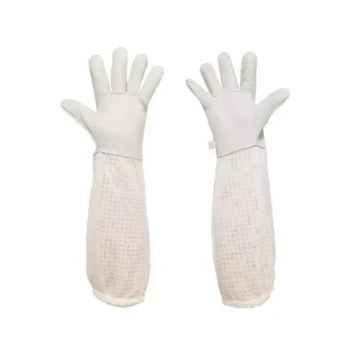
For safe apiary inspections, the essential kit is protective clothing, a smoker, and a durable hive tool. Wear a bee suit or jacket with a secure veil, gloves, and boots that prevent bees from reaching exposed skin. Before opening the hive, use a properly fueled smoker to manage colony behavior, then use a metal hive tool to separate propolis-sealed components and frames safely.
The safest inspection combines complete sting protection with controlled bee management and reliable hand tools. Prepare every item before opening the hive so the operator can work calmly, efficiently, and without leaving the colony unattended.
Start With Complete Personal Protection
Full-coverage bee suit or jacket
A full-body bee suit provides the highest level of protection and is appropriate for aggressive colonies, unfamiliar apiaries, night transfers, and other higher-risk tasks.
A lighter beekeeping jacket can provide greater mobility for routine inspections, but it leaves more of the body dependent on properly sealed clothing and separate protective items.
Secure veil and head protection
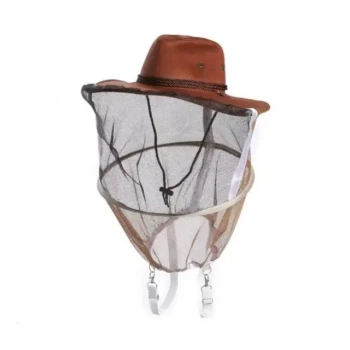
A fitted mesh veil protects the face, neck, and eyes while preserving visibility for detailed colony checks. It should remain securely attached to the suit or jacket and should not leave gaps around the collar.
A brimmed hat can help hold the veil away from the face, although integrated veils offer a simpler and more consistent setup.
Protective gloves
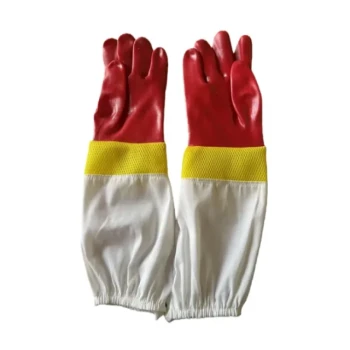
Sting-resistant gloves protect the hands while handling covers, frames, and hive tools. They should provide enough flexibility to maintain a controlled grip without becoming loose around the wrists.
Gloves are particularly valuable for beginners, commercial workers, and inspections involving defensive colonies. Experienced beekeepers may sometimes use lighter hand protection, but that choice should reflect skill, colony temperament, and local operating requirements.
Boots and sealed closures
Wear sturdy boots with trousers or suit legs pulled over—or otherwise securely closed around—the boot opening. The goal is to prevent bees from crawling under clothing.
Check the wrists, ankles, collar, and zipper areas before approaching the hive. These are common points where protective clothing can fail if closures are incomplete.
Use Smoke to Manage the Colony
Bee smoker
A bee smoker is a standard hive-management device consisting of a metal firepot and bellows. It produces directed, relatively cool smoke that helps disrupt the colony’s alarm response before and during hive opening.
Smoke should be applied in controlled amounts rather than continuously. Excessive heat or dense smoke can stress bees and may damage comb or create unnecessary handling risk.
Fuel and preparation
The smoker must be fueled with material that produces cool, steady smoke and should be lit before the hive is opened. Confirm that the bellows, firepot, and nozzle are functioning properly.
Prepare sufficient fuel for the entire inspection. Running out of smoke while the hive is open can interrupt the work and encourage rushed handling.
Safe smoker handling
Keep the smoker stable and away from flammable materials, dry vegetation, and unsecured clothing. Never leave a lit smoker unattended.
Use short puffs at the entrance and beneath the cover as appropriate for the colony’s behavior. The objective is to improve control, not to overwhelm the bees.
Keep Essential Hive Tools Ready
Metal hive tool
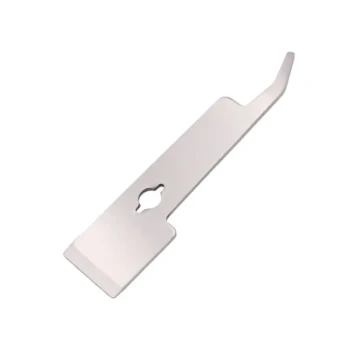
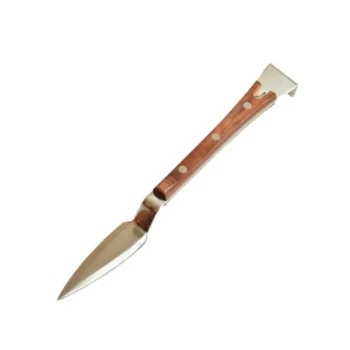
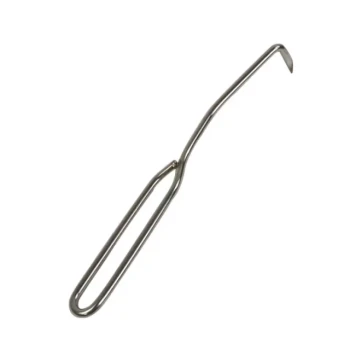
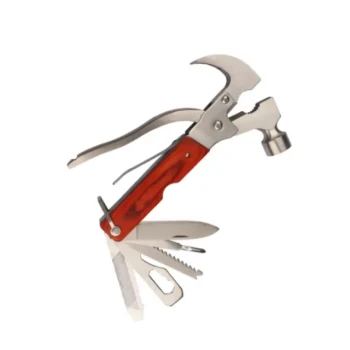
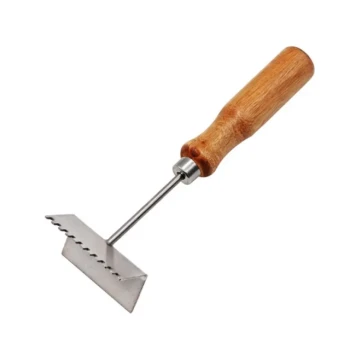
A heavy-duty metal hive tool is indispensable for breaking propolis seals, separating hive boxes, loosening inner covers, and prying apart frames that have been joined by wax or propolis.
Its leverage reduces the need for excessive force and helps prevent sudden movements that could crush bees or damage equipment.
Scraping and cleaning functions
Many hive tools include a scraper or blade for removing excess wax, propolis, and debris from hive components. Keeping surfaces clean makes future inspections more predictable and helps equipment fit correctly.
A durable steel tool is generally better suited to repeated commercial use than a lightweight tool that bends or loses its edge.
Frame grips and bee brushes
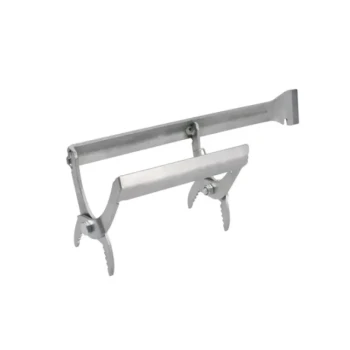
Frame grips can assist with lifting and positioning frames, particularly when frames are heavy, tightly packed, or difficult to grasp with gloved hands.
A soft bee brush may help move bees gently from covers or equipment, but it should be used sparingly. Excessive brushing can disturb bees and increase handling time.
Prepare the Inspection Kit Before Opening the Hive
Inspection records
Carry a notebook and pen, or an equivalent recordkeeping system, to document queen status, brood patterns, frame condition, colony behavior, and maintenance needs.
Recording observations during or immediately after the inspection improves continuity between visits and supports consistent management across multiple hives.
Organize equipment for field work
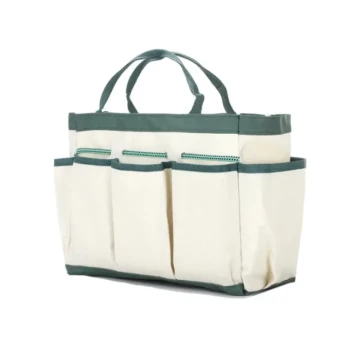
Place the suit, veil, gloves, boots, smoker, fuel, hive tool, brush, and records within easy reach before beginning. This avoids searching for equipment while the hive is open.
For commercial apiaries and distributed field teams, standardized kits reduce setup time and make it easier to confirm that no critical item has been omitted.
Inspect the equipment itself
Check protective clothing for tears, open seams, damaged zippers, and worn elastic. Inspect hive tools for bending, corrosion, or sharp damage that could impair safe handling.
A dependable supply program should prioritize durability, consistent specifications, rapid replenishment, and easy transport across different apiary locations.
Understanding the Trade-offs
Maximum protection versus mobility
Full suits provide broader sting protection and are the prudent choice when risk is uncertain. Jackets and lighter apparel improve comfort and movement, but they require greater attention to gloves, trousers, boots, and closure points.
The correct choice depends on colony temperament, task complexity, worker experience, weather, and the apiary’s operating procedures.
Gloves versus handling precision
Thick gloves offer stronger sting protection but can reduce tactile feedback when lifting frames or inspecting delicate comb. Thin or specialized gloves improve dexterity but may provide less protection.
For professional operations, stocking multiple glove types can support different inspection conditions rather than forcing every worker to use one compromise design.
Smoke control versus overuse
A smoker can improve control during an inspection, but it is not a substitute for calm movements, appropriate timing, and sound colony-management practices. Too much smoke can stress the colony and make inspection work less efficient.
Workers should be trained to apply controlled smoke and recognize when colony behavior requires the inspection to pause or stop.
Making the Right Choice for Your Goal
Select equipment based on risk, worker experience, inspection frequency, and whether the kit is intended for individual or commercial field use.
- If your primary focus is maximum operator protection: Choose a full bee suit with an integrated veil, sting-resistant gloves, secure closures, and sturdy boots.
- If your primary focus is routine inspection mobility: Use a well-fitted ventilated jacket or lighter protective outfit while maintaining complete coverage at the veil, wrists, waist, and ankles.
- If your primary focus is efficient hive handling: Stock a reliable smoker, suitable fuel, a heavy-duty metal hive tool, and optional frame grips or a soft bee brush.
- If your primary focus is commercial apiary productivity: Standardize complete inspection kits and use a supplier that can provide the full product range, rapid response, dependable quality, and fast order fulfillment.
- If your primary focus is consistent colony management: Add inspection records and ensure every item is prepared and checked before the hive is opened.
With complete protection, controlled smoke, and dependable hive tools, inspections become safer, calmer, and more consistent.
Summary Table:
| Equipment Category | Examples | Key Features |
|---|---|---|
| Protective Clothing | Full suit, jacket, veil, gloves, boots | Sting-resistant, secure closures, full coverage |
| Colony Management | Smoker, fuel | Produces cool smoke, controlled application |
| Handling Tools | Hive tool, frame grip, bee brush | Heavy-duty, leverage, gentle handling |
| Preparation & Records | Notebook, standard kit | Documentation, organized, ready before inspection |
Equip your apiary with top-quality PPE and hive tools from HONESTBEE. As a comprehensive wholesale supplier for commercial apiaries and distributors, we offer everything from bee suits and smokers to durable hive tools and complete inspection kits. Our rapid response, dedicated service, and efficient fulfillment ensure you never miss a beat. Contact us today to secure your supply and boost your operational efficiency! Get in touch.
Related Products
- Multi-Function Plier-Style Frame Grip Hive Tool
- Professional Stainless Steel Pry-Bar Hive Tool
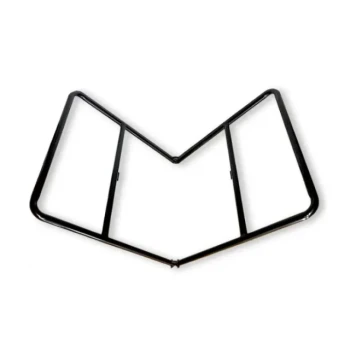
- Professional Grade Foldable Beehive Handles
- Ergonomic Two Person Foldable Hive Lifter
- Beekeeping Gloves Goatskin Leather with Long Cotton Sleeve for Beekeepers
People Also Ask
- What are the benefits of a multi-functional hive tool? Streamline Your Apiary Workflow with One Tool
- What advantages do multi-functional hive tools offer? Maximize Your Apiary Efficiency and Workflow
- What tools are used in beekeeping? A Complete Guide to Essential Beekeeping Equipment
- What is the importance of using the right tools in honey production? Boost Quality, Yield & Profitability
- What essential beekeeping tools are required for a successful honey harvest? Boost Your Yield and Efficiency Today