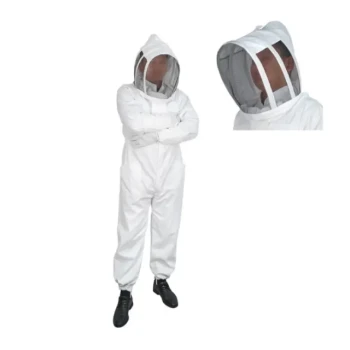
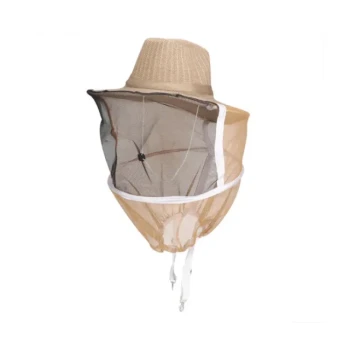
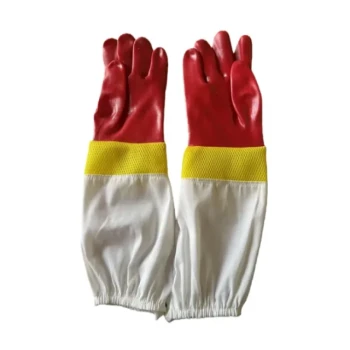
For safe and efficient hive maintenance, the essential kit is a protective suit or jacket, secure veil, gloves, sturdy boots, a bee smoker, a metal hive tool, and a soft bee brush. These items protect the beekeeper from stings while helping control bee behavior, separate propolis-sealed equipment, and move bees without unnecessary disturbance. For commercial or multi-site operations, standardized, durable equipment also improves workflow consistency and replenishment.
The right equipment combines personal protection with controlled hive handling. A complete PPE setup reduces sting exposure, while a smoker, hive tool, and bee brush make inspections safer, faster, and less stressful for the colony.
Protecting the Beekeeper During Inspections
Full-Coverage Protective Clothing
A full bee suit or beekeeping jacket should cover the torso, arms, and legs, with secure closures around the wrists, ankles, and front opening. The fit must allow bending, lifting, and squatting without creating gaps or restricting movement.
Smooth, light-colored clothing is commonly preferred beneath or alongside protective wear because it is less likely to provoke defensive behavior than dark, loose, or textured fabrics. Sleeves and pant legs should be secured with elastic, Velcro, or fitted closures to prevent bees from entering.
Veils for Face and Neck Protection
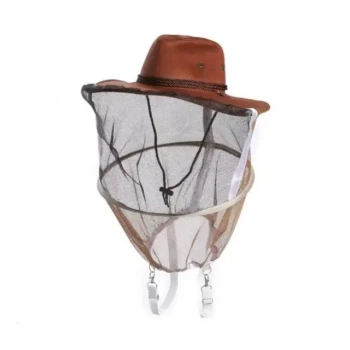
A fine mesh veil protects the face, neck, and hair while maintaining visibility and ventilation. It should remain securely attached to the suit or jacket and provide enough clearance that mesh does not rest against the skin.
A veil is essential even during brief inspections because stings near the eyes, nose, mouth, or ears can create disproportionate risk. High-visibility mesh can also make detailed frame inspections easier in changing outdoor light.
Gloves and Hand Protection
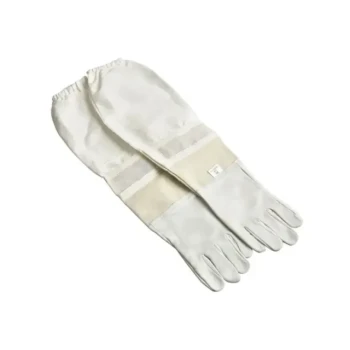
Protective beekeeping gloves should resist stings while preserving enough tactile control to lift frames and avoid crushing bees. Leather and synthetic options are both used, but the best choice depends on the colony's defensiveness, the work being performed, and the operator's need for dexterity.
Gloves should fit securely without being so tight that swelling or restricted circulation becomes a concern. Rings, bracelets, and leather watchbands should be removed before inspections.
Sturdy Boots
Sturdy, closed footwear protects the feet and helps seal the lower edge of the protective outfit. Boots with a smooth exterior and secure fit are easier to combine with tucked or fastened trouser legs.
Manual Tools for Controlled Hive Handling
Bee Smoker
A bee smoker uses a ventilated firepot and bellows to produce and direct cool smoke. The smoke interferes with alarm pheromone signaling and encourages bees to consume honey, generally making them less defensive during an inspection.
Smoke should be applied in controlled amounts and allowed to work before hive components are opened fully. The smoker should include a stable design, heat protection, and a reliable bellows so it can be operated without exposing the beekeeper or equipment to burns.
Metal Hive Tool
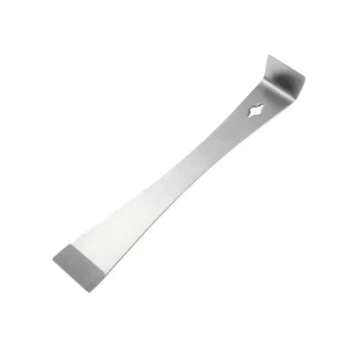
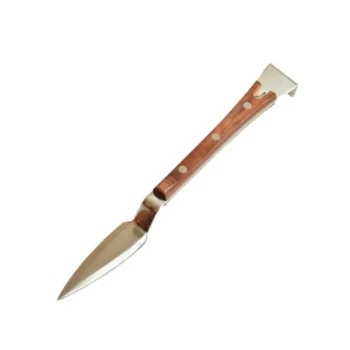
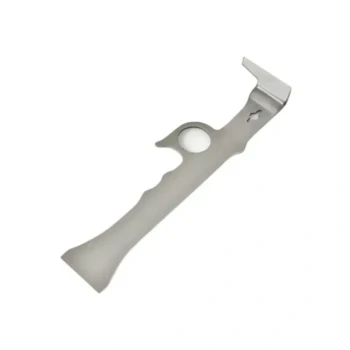
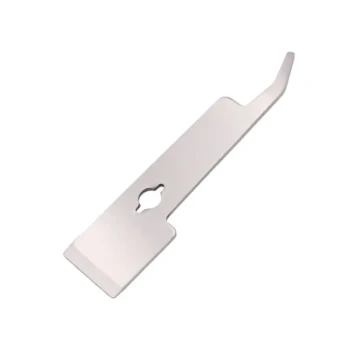
A heavy-duty metal hive tool is the primary lever for separating boxes, lids, and frames sealed with propolis. Its scraping edge can remove burr comb, excess wax, and other buildup from hive components.
A durable hive tool reduces the need for excessive force and helps prevent damage to woodenware. Commercial apiaries may benefit from keeping spare tools available, particularly where multiple workers inspect hives simultaneously.
Bee Brush
A bee brush has soft bristles for gently moving bees from comb surfaces during frame removal, honey collection, or colony splits. It is useful when bees must be cleared without shaking the frame or using more smoke.
The brush should be used sparingly and with light, deliberate strokes. Aggressive brushing can injure bees and increase defensive behavior.
Frame Grip or Lifting Aid
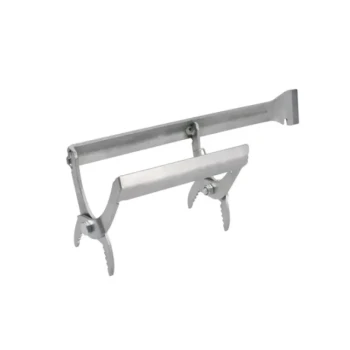
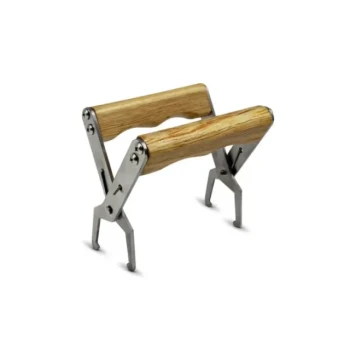
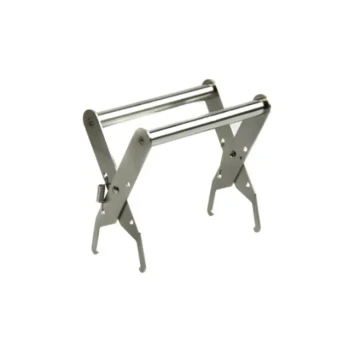
A frame grip is a useful supplementary tool for lifting frames that are difficult to grasp, particularly when propolis has tightened the frame in place. It can improve leverage and reduce hand strain during repeated inspections.
It does not replace a hive tool, which is still needed to break propolis seals and separate hive components. The most efficient setup commonly uses both tools according to the condition of the hive.
Preparing for Safer Hive Work
Minimize Strong Scents
Beekeepers should avoid perfumes, colognes, scented hairsprays, and other strong personal-care products before working with colonies. Showering beforehand can also help reduce heavy body odors that may affect bee behavior.
These measures do not replace protective clothing or proper handling technique. They simply reduce avoidable sources of disturbance.
Check Equipment Before Opening the Hive
Inspect the veil, zippers, cuffs, gloves, and boot closures before beginning work. Damaged mesh, loose fasteners, or gaps at the wrists and ankles can compromise otherwise complete protection.
The smoker should be lit and producing cool smoke before the hive is opened. Hive tools and brushes should be clean, functional, and placed where they can be reached without leaving the colony unattended.
Match the Kit to the Operation
A hobby beekeeper may require one complete PPE set and a basic tool kit. Commercial apiaries, distributors, and resellers should consider standardized sizing, replacement veils and gloves, spare hive tools, and smokers with durable heat shields.
Consistent product specifications simplify training, purchasing, inventory control, and rapid order fulfillment across multiple apiary locations.
Understanding the Trade-offs
Protection Versus Dexterity
Thicker gloves generally provide more protection but can reduce sensitivity when lifting frames or manipulating bees. Thin gloves may improve precision but offer less resistance to stings, especially when working with defensive colonies.
Operators should select glove thickness and material based on risk, experience, and task requirements rather than treating one glove type as universally superior.
Smoke Control Versus Colony Stress
A smoker is valuable because controlled smoke can calm a colony, but excessive or excessively hot smoke can stress bees and damage comb or equipment. The objective is measured application, not filling the hive with smoke.
Natural, suitable smoker fuel should produce cool, clean smoke without harmful residues. The smoker must also be handled carefully because its firepot and exhaust can cause burns.
Convenience Versus Long-Term Durability
Low-cost protective wear and tools may reduce initial purchasing expense, but weak zippers, fragile mesh, poor stitching, and thin metal can increase replacement frequency and interrupt work. Durable, standardized products are often more practical for repeated commercial use.
For wholesale and distribution programs, product reliability, available sizes, replacement parts, response speed, and delivery performance are as important as unit price.
Making the Right Choice for Your Goal
The required equipment should be selected as a coordinated safety and workflow package rather than as unrelated individual products.
- If your primary focus is beekeeper safety: Choose a properly fitted full suit or jacket, secure mesh veil, protective gloves, and sturdy boots that close all entry points.
- If your primary focus is efficient inspections: Provide a reliable smoker, heavy-duty metal hive tool, soft bee brush, and, where needed, a frame grip for difficult frames.
- If your primary focus is commercial apiary productivity: Standardize durable PPE and tools across workers, maintain replacement stock, and source the full range through a responsive supplier.
- If your primary focus is distribution or resale: Build a one-stop product portfolio covering multiple sizes, materials, replacement components, and complementary inspection tools.
A complete, durable, and correctly used equipment set enables safer hive maintenance while protecting both beekeeper productivity and colony health.
Summary Table:
| Equipment | Purpose | Key Features |
|---|---|---|
| Protective Suit/Jacket | Shields body from stings | Full coverage, secure closures, light-colored fabric |
| Veil | Protects face and neck | Fine mesh, clear visibility, secure attachment |
| Gloves | Hand protection | Leather/synthetic, snug fit, good dexterity |
| Boots | Foot and lower-body protection | Sturdy, smooth exterior, tuckable pants |
| Bee Smoker | Calms bees using smoke | Firepot, bellows, cool smoke production |
| Hive Tool | Separates frames and scrapes propolis | Heavy-duty metal, scraping edge |
| Bee Brush | Gently moves bees | Soft bristles, light strokes |
| Frame Grip | Lifts stubborn frames | Extra leverage, reduces strain |
Ready to upgrade your beekeeping operations? At HONESTBEE, we supply the full spectrum of beekeeping tools and protective gear, ensuring safety and efficiency for commercial apiaries and distributors. Our one-stop sourcing capability, rapid response, and dedicated service keep your business buzzing. For distributors, we offer competitive wholesale margins, OEM/ODM support, and certified quality. Contact us today to see how we can boost your productivity and profitability — Get in touch now!
Related Products
- Professional Stainless Steel Pry-Bar Hive Tool
- Multi-Function Plier-Style Frame Grip Hive Tool
- HONESTBEE Premium Italian Style Hive Tool with Hardwood Handle
- Professional Grade Foldable Beehive Handles
- Goatskin Leather Beekeeper Gloves with Vent Long Sleeve for Beekeeping Honey Bee Sting Proof Protection
People Also Ask
- Which technical challenges in hive maintenance are addressed by using a professional stainless steel hive tool?
- What is the function of a professional stainless steel hive tool in IFB? Optimize Your Colony Strength Assessment
- What are the primary functions of a stainless steel hive tool? Essential Equipment for Professional Beekeeping
- What are the primary functions of a stainless steel hive tool? Essential Tips for Efficient Apiary Maintenance
- What is the role of professional hive tools in routine apiary maintenance? Expert Tips for Hive Health and Longevity