Several dynamic variables determine the size of your honey harvest. The quantity of harvestable frames relies primarily on the strength of the colony, the prevailing weather conditions, and the volume of nectar available in the immediate environment. Furthermore, the harvest is constrained by the maturity of the honey, specifically requiring frames to be sufficiently capped with wax before removal.
While environmental abundance sets the potential for a harvest, it is the internal strength of the colony and the specific maturity of the honey that determine the actual yield.
Environmental Drivers of Yield
The environment provides the raw materials necessary for honey production. Without favorable external conditions, even the strongest hive cannot produce a surplus.
Nectar Availability
The most direct influence on honey volume is the amount of nectar available to the bees.
This is often referred to as a "nectar flow." If the surrounding flora is not blooming or producing nectar, the bees cannot fill the frames, regardless of the colony's size.
Weather Conditions
Weather conditions play a critical dual role in honey production.
First, weather dictates the ability of plants to produce nectar; drought or excessive rain can halt production. Second, bees require specific weather conditions to fly; wind, rain, and cold temperatures keep foragers inside the hive, halting the collection process.
Colony Health and Capacity
A harvest is the result of a colony's surplus labor. The internal state of the hive determines if they can capitalize on the available resources.
The Strength of the Colony
The strength of the bee colony is the engine of production.
A strong populous colony has a massive workforce of foragers that can gather nectar rapidly. Weaker colonies must dedicate more resources to brood rearing and hive maintenance, resulting in fewer excess frames available for harvest.
Determining Harvest Readiness
Just because a frame is full of nectar does not mean it is a "harvestable" honey frame. You must distinguish between nectar storage and finished honey.
The Capping Threshold
Beekeepers must look for honey frames that are at least 75% capped with wax.
This visual cue is the definitive signal that the frame is ready for extraction. If you harvest frames below this threshold, you risk collecting unripe honey.
Moisture Content and Storage
The wax capping indicates that the bees have sufficiently reduced the moisture content of the nectar.
By sealing the cells, the bees have prepared the honey for long-term storage. Harvesting uncapped frames often results in honey with high water content, which is prone to fermentation and spoilage.
Common Pitfalls in Yield Estimation
When assessing your hive, it is crucial to avoid equating weight with harvestability.
The Risk of Premature Harvesting
A common mistake is harvesting heavy frames that are not yet capped.
While these frames contribute to the weight of the hive, the nectar inside is not stable. Ignoring the 75% capping rule usually leads to a lower quality product that may spoil in the jar.
Making the Right Choice for Your Goal
To maximize your success, you must balance the hive's potential with the specific condition of the frames.
- If your primary focus is maximizing volume: Prioritize building colony strength early in the season so a large workforce is ready when the weather and nectar flow align.
- If your primary focus is honey quality and stability: Strictly adhere to the rule of harvesting only when frames are at least 75% capped, ensuring low moisture content.
Successful beekeeping requires waiting for the intersection of a strong workforce, favorable weather, and fully ripened honeycomb.
Summary Table:
| Factor | Impact on Harvest | Key Indicator for Beekeepers |
|---|---|---|
| Colony Strength | High workforce leads to faster nectar collection | Large population of healthy forager bees |
| Nectar Flow | Provides the raw materials for honey production | Abundant local flora in bloom |
| Weather | Affects foraging ability and plant nectar output | Warm, dry days with low wind |
| Honey Maturity | Determines stability and shelf life | At least 75% of the frame is capped with wax |
Elevate Your Apiary's Productivity with HONESTBEE
To turn a successful harvest into a thriving business, you need the right tools for the job. HONESTBEE specializes in supporting commercial apiaries and distributors with high-performance equipment designed for efficiency and scale.
Whether you are looking for automated honey-filling machines, industrial-grade hive-making hardware, or a consistent supply of wholesale beekeeping consumables, we deliver the professional solutions you need. Our comprehensive portfolio ensures that every frame you harvest is processed with precision, maintaining the highest quality for your customers.
Ready to scale your operation? Contact HONESTBEE today to explore our wholesale machinery and equipment options tailored for industry professionals.
Related Products
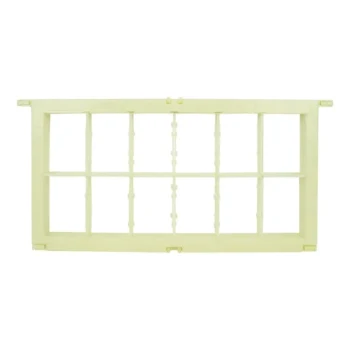
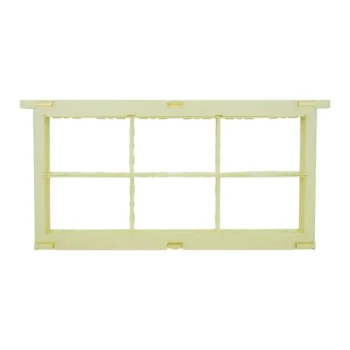
- Professional Sectional Comb Honey Frame with 250g Cassette System for Beekeeping
- Professional 500g Sectional Comb Honey Frame System for Beekeeping
- Heart-Shaped Comb Honey Frame and Honeycomb Cassette
- Plastic Honey Comb Frames Cassette Box for Honey
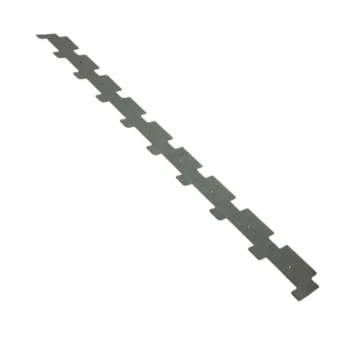
- Heavy Duty Castellated Iron Frame Spacer for Honey Supers
People Also Ask
- How are honeybee combs utilized for non-destructive colony monitoring? Master Population Density Tracking
- What is the technical purpose of exchanging honeycomb frames? Master Apiary Equalization for Growth
- What frame to use for honeycomb? Choose the Right System for Pure, Edible Comb
- What is a honeycomb frame? The Key to Modern, Sustainable Beekeeping
- What are the recommended temperature and duration settings for freezing honey frames? Ensure Pest-Free Comb Storage