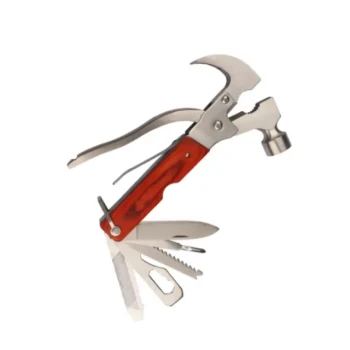
Commercial beekeepers can reduce Nosema-related honey losses through disciplined comb replacement, hive sanitation, moisture control, nutritional support, and routine health monitoring. Essential tools include hive scrapers, frame-handling equipment, bottom-board cleaning tools, dedicated feeders, replacement frames and wax foundation, upper-entrance hardware, and approved sanitation products. Because Nosema infections often show few distinctive external symptoms, prevention and early confirmation are more reliable than waiting for visible colony decline.
The most effective Nosema strategy is a system, not a single product: maintain clean, dry, well-ventilated hives; remove aging or contaminated comb; support colonies during food shortages; and confirm suspected infections through qualified diagnostic testing.
Why Nosema Threatens Commercial Honey Production
How Nosema Weakens Colonies
Nosema apis and Nosema ceranae are microsporidian pathogens that damage the digestive tissues of adult honey bees. Infected workers may have shorter lifespans, reduced flight capacity, weakened nutrition, and lower foraging performance.
As worker populations decline, colonies maintain fewer productive comb frames and collect less nectar. The resulting reduction in field strength can translate directly into lower honey yields.
Why External Symptoms Are Unreliable
Nosema infections do not always produce distinctive visible symptoms. A colony may therefore lose productivity before the beekeeper recognizes a clear disease pattern.
Commercial operations should combine regular inspections with laboratory confirmation when disease is suspected. Microscopic examination of bee samples and PCR testing can help distinguish Nosema infection from other causes of poor colony performance.
Hive Maintenance Tools That Support Prevention
Frame-Handling and Inspection Tools
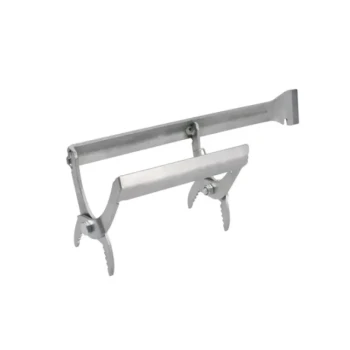
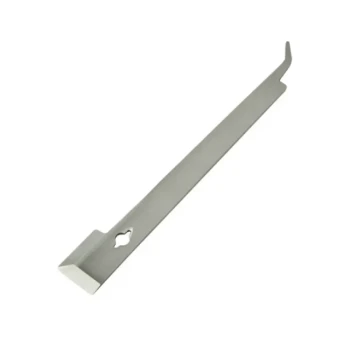
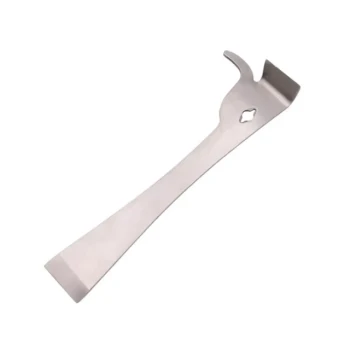
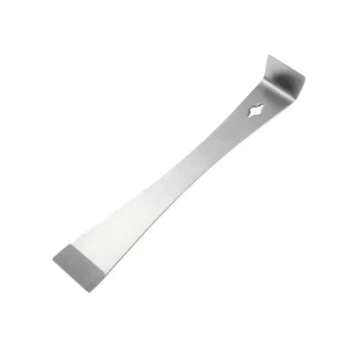
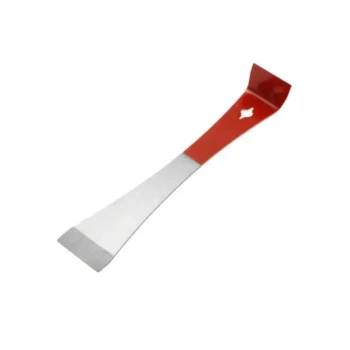
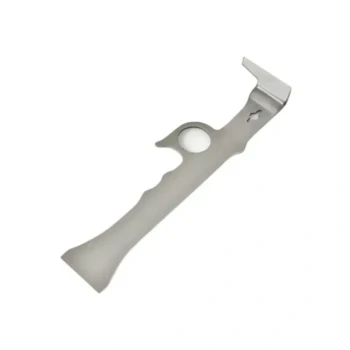
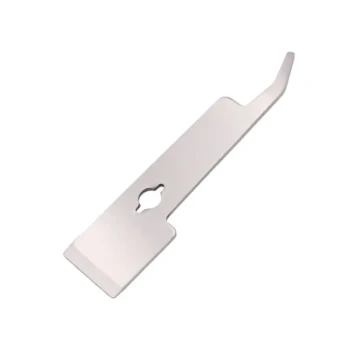
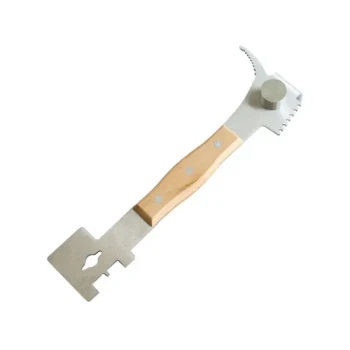
Professional frame-handling tools, hive tools, and scrapers allow beekeepers to inspect brood patterns, worker strength, food stores, fecal contamination, and queen performance efficiently. Regular inspections are especially important across large apiaries, where small declines can become significant production losses.
Clean tools between colonies whenever practical, particularly after handling weak, symptomatic, or confirmed infected hives. This reduces the risk of transferring contaminated material during routine work.
Comb Replacement Supplies
Old, dark, soiled, or contaminated brood comb can retain pathogens and fecal material. Commercial beekeepers should maintain a planned rotation program using fresh frames, wax foundation, and replacement comb.
A reliable inventory of replacement frames and foundation allows contaminated comb to be removed promptly instead of remaining in service because supplies are unavailable.
Bottom-Board and Hive-Cleaning Equipment
Bottom boards collect debris, dead bees, moisture, and material that may contribute to pathogen buildup. Hive scrapers and dedicated cleaning equipment help remove accumulated contamination during inspections and before winter confinement.
Cleaning routines should include hive boxes, bottom boards, feeder components, and other reusable equipment that comes into contact with bees, comb, syrup, or waste.
Ventilation and Upper-Entrance Hardware
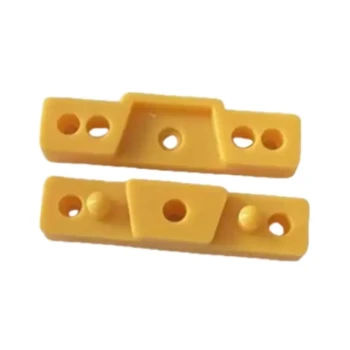
Cold, damp, poorly ventilated conditions support Nosema-related stress and other problems such as chalkbrood. Upper entrances and appropriate ventilation hardware improve airflow and provide an alternative exit if the lower entrance becomes blocked by winter debris.
Ventilation should be designed for the local climate and season. Excessive exposure can create additional stress, so airflow, moisture control, and protection from drafts must be balanced.
Dedicated Feeders
Individual hive feeders help provide supplemental syrup without requiring equipment to be shared among colonies. This is important because contaminated food, water, fecal material, and handling equipment can contribute to disease transmission.
Feeder systems should be easy to remove, clean, inspect, and replace. Avoid allowing syrup to ferment, leak, or become contaminated.
Sanitation Practices for Commercial Apiaries
Replace Contaminated Comb Before Overwintering
Before winter confinement, remove comb heavily soiled with fecal matter or showing other contamination. Replacing it with fresh foundation or clean comb reduces the pathogen burden carried into the period when colonies are confined and ventilation is more difficult.
Comb replacement should be systematic rather than limited to emergency cases. A documented rotation schedule helps large operations manage replacement volume and maintain consistent hive hygiene.
Clean and Sanitize Reusable Equipment
Hive boxes, bottom boards, frames, feeders, and tools should be cleaned and sanitized according to the material and the approved product instructions. Equipment should be thoroughly dried before reuse.
Solarizing empty equipment under direct sunlight is identified as one practical method for reducing microsporidian spore contamination. It should be used as part of a broader sanitation program, not as a substitute for cleaning visibly contaminated material.
Isolate Weak or Confirmed Colonies
Separate infected or suspicious colonies from healthy groups where operationally possible. Marking affected hives helps crews avoid moving frames, feeders, tools, or other equipment between colonies.
Discarded or heavily contaminated comb should not be casually returned to the apiary. Empty hive boxes may require more intensive disinfection or fumigation using products approved for beekeeping equipment and applied exactly according to local regulations.
Control Water and Food Contamination
Dirty water sources and contaminated feed can increase disease exposure. Provide clean water and keep feeders protected from leakage, robbing, and contamination.
Do not share uncleaned feeders between colonies. Dedicated equipment, clear labeling, and an organized sanitation workflow are particularly valuable for distributors, contract apiaries, and high-volume commercial operations.
Nutrition and Colony Resilience
Feed During Dearth Periods
Supplemental sugar syrup supplied through feeders can help colonies maintain nutrition during early spring, summer dearths, or other periods when natural forage is insufficient. Strong nutrition supports worker longevity and helps colonies sustain the population needed for honey production.
Feeding should be managed to avoid stimulating robbing, fermentation, or unnecessary syrup storage when honey supers are intended for harvest.
Support Colonies During Weather Stress
Protein patties and other appropriate nutritional supplements may help colonies maintain strength during pollen shortages or prolonged adverse weather. Nutrition is supportive management, not a replacement for sanitation, diagnosis, or parasite control.
Any feeding stimulant or treatment additive should be used only when permitted by local regulations and product labeling. Essential oils, thymol products, and medicated feeds are not interchangeable, and their safety and legal status vary by jurisdiction.
Maintain Queen Quality
Systematic re-queening with healthy, disease-resistant stock can support more consistent colony performance. Queen health should be assessed during routine inspections alongside brood pattern, adult bee population, and food stores.
A strong queen does not eliminate Nosema risk, but stable brood production and a healthy adult population improve a colony’s ability to withstand disease pressure.
Monitoring a Large Apiary
Inspect on a Consistent Schedule
Weekly inspections are recommended in the supplied guidance for observing bee behavior, brood patterns, queen health, food reserves, and signs of declining strength. Commercial managers should adapt the exact schedule to season, climate, migratory activity, and operational scale.
Inspection records should identify hive location, colony strength, comb condition, feeding activity, sanitation actions, and any diagnostic follow-up required.
Test When Productivity Declines
Reduced foraging, shrinking adult populations, poor colony development, or unexplained honey losses should trigger investigation rather than automatic treatment. Laboratory microscopy or PCR can help confirm Nosema and distinguish it from Varroa-associated disease, viruses, starvation, queen failure, or environmental stress.
Nosema may occur alongside Varroa mites and bee viruses, so a confirmed diagnosis should lead to a broader colony-health assessment.
Keep Replacement and Sanitation Stock Available
Commercial response time depends partly on inventory readiness. Apiaries should maintain access to replacement frames, fresh wax foundation, hive bodies, bottom boards, feeders, ventilation components, protective equipment, and approved sanitation supplies.
For distributors and B2B resellers, a full-spectrum product portfolio and rapid fulfillment can be operationally important because delayed replacement or sanitation may extend exposure across multiple colonies.
Understanding the Trade-offs
Sanitation Requires Labor and Logistics
Regular cleaning, equipment separation, comb replacement, and inspection create labor and handling costs. However, postponing these tasks can spread contamination and increase the expense of colony recovery and lost honey production.
Standardized procedures, dedicated equipment, and reliable stock levels make sanitation more practical at commercial scale.
Ventilation Must Be Balanced
Increasing airflow can reduce moisture, but poorly designed ventilation can expose colonies to drafts or adverse weather. Upper entrances and other hardware should be selected and installed according to seasonal conditions and hive design.
Moisture control is a management objective, not a reason to maximize ventilation without regard to colony protection.
Feeding Is Supportive, Not Curative
Sugar syrup and protein supplements can help address nutritional shortages, but they do not sanitize contaminated comb or replace disease confirmation. Feeding can also create risks such as robbing, fermentation, contamination, and unwanted syrup storage if poorly managed.
Use only approved treatments and additives, and follow veterinary or regulatory guidance where applicable. Avoid relying on unverified claims that a feeding additive alone will eliminate Nosema.
Treatment Decisions Require Local Compliance
Disease-control products, medicated feeds, fumigants, and disinfectants may have different approvals, application requirements, and withdrawal rules by country or region. Commercial operators must verify current local labels and regulations before use.
A sanitation and nutrition program should remain effective even when no medication is used or when laboratory results do not support treatment.
How to Apply This to Your Apiary
The most resilient commercial programs connect maintenance routines with dependable equipment sourcing and clear operating records.
- If your primary focus is preventing colony decline: Prioritize regular inspections, fresh comb rotation, clean bottom boards, dry equipment, upper-entrance ventilation, and isolation of suspicious colonies.
- If your primary focus is protecting honey yield: Maintain strong worker populations through timely nutrition, queen-quality management, parasite screening, and rapid correction of weak or contaminated hives.
- If your primary focus is managing a large commercial operation: Standardize sanitation procedures and keep frames, wax foundation, feeders, hive hardware, and approved sanitation products in ready inventory.
- If your primary focus is distributing or reselling apiary supplies: Offer a coordinated product range, responsive technical service, and rapid order fulfillment so beekeepers can replace contaminated equipment without operational delays.
- If your primary focus is selecting a treatment: Confirm the diagnosis first and use only products approved for the intended application under current local regulations.
Consistent hygiene, moisture control, nutrition, and diagnostic discipline give commercial beekeepers the strongest practical foundation for limiting Nosema and protecting honey production.
Summary Table:
| Aspect | Key Practices | Tools/Supplies |
|---|---|---|
| Comb Management | Replace old contaminated comb regularly | Fresh frames, wax foundation |
| Hive Cleaning | Clean bottom boards and equipment | Hive scrapers, cleaning equipment |
| Ventilation | Ensure proper airflow and moisture control | Upper entrances, ventilation hardware |
| Feeding | Provide clean supplemental feed | Dedicated feeders, sugar syrup |
| Monitoring | Regular inspections and diagnostic testing | Inspection records, lab tests |
| Isolation | Separate weak or infected colonies | Marking tools, quarantine area |
Protect your commercial apiary with HONESTBEE's comprehensive range of hive maintenance tools and sanitation supplies. From scrapers and feeders to replacement frames and ventilation hardware, we offer everything you need to implement effective Nosema prevention. Our wholesale solutions support distributors and beekeepers with fast delivery and expert advice. Contact us today to secure your supply and keep your colonies thriving.
Related Products
- Multi-Function Plier-Style Frame Grip Hive Tool
- Stainless Steel J Hook Hive Tool for Beekeeping
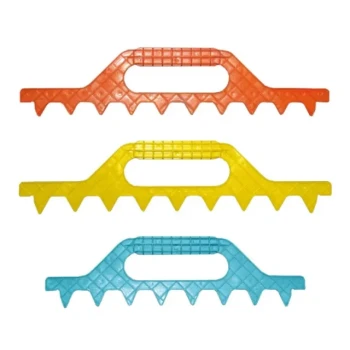
- Ergonomic Plastic Frame Spacer Tool for Rapid Hive Management Beekeeping
- Professional Multi-Function Stainless Steel Hive Tool
- HONESTBEE Classic Pry Bar Hive Tool with High Visibility Finish for Beekeeping
People Also Ask
- What are the benefits of a multi-functional hive tool? Streamline Your Apiary Workflow with One Tool
- What advantages do multi-functional hive tools offer? Maximize Your Apiary Efficiency and Workflow
- What tools are used in beekeeping? A Complete Guide to Essential Beekeeping Equipment
- What is the importance of using the right tools in honey production? Boost Quality, Yield & Profitability
- What additional equipment might be useful for beekeeping? Boost Hive Health & Efficiency