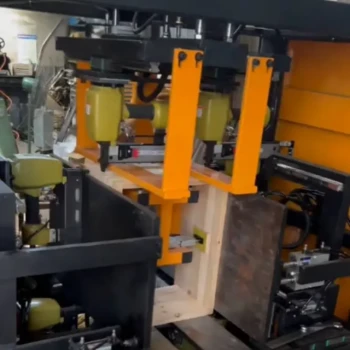
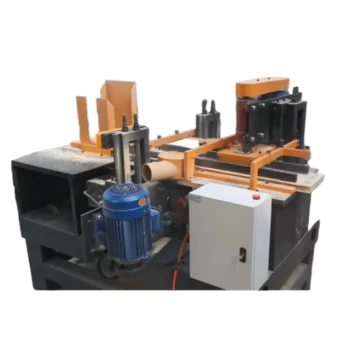
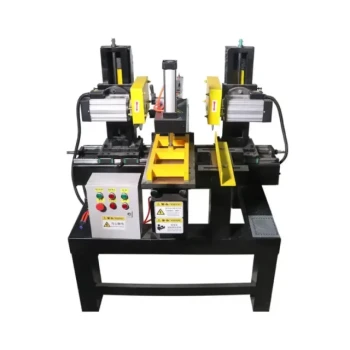
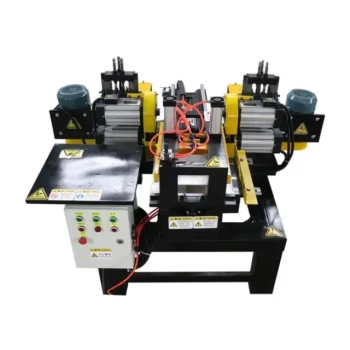
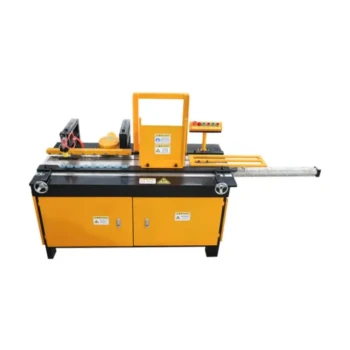
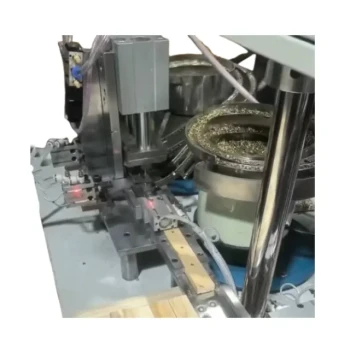
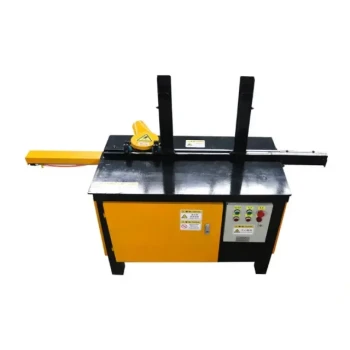
Automated beehive manufacturing equipment serves as the critical backbone for modernizing the beekeeping industry, enabling the transition from artisanal management to industrial-scale operations. Its primary application value lies in facilitating the rapid, standardized mass production of high-quality hive infrastructure, which directly allows producers to scale capacity and capitalize on market demands for high-value honey products.
Core Insight: The transition to automated manufacturing is not just about speed; it is about establishing a standardized infrastructure that reduces long-term operational friction. By ensuring precise component interchangeability and structural integrity, this technology transforms the beehive from a variable craft product into a reliable industrial asset.
Driving Commercial Scalability
Rapid Capacity Expansion
The primary value of this equipment is the ability to rapidly increase colony placement capacity. By automating production, apiaries can generate the physical infrastructure needed to expand operations quickly, removing the bottleneck of manual hive construction.
Capturing Market Opportunities
This rapid scalability allows producers to respond effectively to market supply gaps and price fluctuations. With the infrastructure in place, beekeepers can immediately scale up production to capture the value of specific local honey varieties when demand peaks.
Operational Efficiency Through Standardization
Ensuring Component Interchangeability
High-precision processing ensures that all hive parts—such as frames and bodies—have uniform dimensions. This allows for the seamless interchangeability of components across thousands of hives, significantly reducing the complexity of maintenance and procurement.
Facilitating Mechanized Management
Standardized hives are a prerequisite for downstream automation. Uniform dimensions provide the hardware compatibility required for mechanized harvesting and processing, drastically reducing labor costs and management complexity in large commercial apiaries.
Enhancing Biological and Economic Performance
Optimizing Bee Productivity
Precision manufacturing results in better insulation and ventilation. This structural superiority reduces the energy bees must expend on temperature regulation, allowing the colony to redirect that energy toward collecting pollen and nectar, thereby boosting production potential.
Reducing Long-Term Depreciation
Industrial-grade machinery creates hives with precise sealing and structural integrity, extending their service life to exceed 20 years. This durability minimizes the frequency of wood and hardware replacement, lowering the long-term depreciation costs of the operation.
Compliance with Organic Standards
Automated equipment can be calibrated to process specific materials required for organic certification. This ensures that large-scale hive supplies strictly adhere to organic regulations regarding material and structural design without sacrificing production speed.
Understanding the Trade-offs
High-Volume Prerequisites
Automated equipment is designed for standardized, mass production. It provides the highest return on investment for operations intending to scale significantly; for small, hobbyist operations, the capacity of such machinery may exceed the need, leading to underutilization.
Standardization vs. Customization
While the equipment allows for customization to specific climates, its core strength is uniformity (e.g., standard Langstroth models). Operations requiring constantly changing, highly unique, or non-standard hive geometries may find strict industrial automation less flexible than manual crafting.
Making the Right Choice for Your Goal
To maximize the value of automated beehive manufacturing, align the technology with your operational objectives:
- If your primary focus is Rapid Scaling: Leverage automation to eliminate infrastructure bottlenecks and immediately increase colony count to capture market share.
- If your primary focus is Operational Efficiency: Prioritize the equipment’s ability to produce interchangeable parts that support mechanized harvesting and reduce labor.
- If your primary focus is Asset Longevity: Rely on the precision engineering of automated manufacturing to produce durable, well-sealed hives that lower replacement costs over decades.
Ultimately, automated manufacturing turns the beehive into a standardized, scalable asset that enables the beekeeping industry to meet modern commercial demands.
Summary Table:
| Key Value Category | Principal Benefit | Industrial Impact |
|---|---|---|
| Scalability | Rapid Capacity Expansion | Enables quick response to market demand and hive gaps. |
| Efficiency | Component Interchangeability | Reduces maintenance complexity with 100% uniform parts. |
| Biological ROI | Optimized Productivity | Better insulation/ventilation redirects bee energy to honey production. |
| Longevity | Structural Integrity | Extends hive service life to 20+ years, reducing depreciation. |
| Modernization | Hardware Compatibility | Provides the foundation for mechanized harvesting and automation. |
Revolutionize Your Beekeeping Scale with HONESTBEE
At HONESTBEE, we specialize in empowering commercial apiaries and global distributors with the industrial-grade tools needed to lead the market. From precision hive-making machines and automated honey-filling systems to a complete range of beekeeping hardware and consumables, we provide the infrastructure that transforms manual work into a scalable, high-yield operation.
Our Value to You:
- Wholesale Excellence: Access a comprehensive portfolio of tools and machinery designed for heavy-duty industrial use.
- Operational Growth: Eliminate infrastructure bottlenecks and standardize your production for global compliance.
- End-to-End Supply: We cover everything from specialized hardware to honey-themed cultural merchandise.
Ready to transition from artisanal management to industrial-scale success? Contact HONESTBEE today to discuss your equipment needs and secure your competitive edge.
References
- Sobhy M. Ismaiel, Abdu Zulail. Factors That Affect Consumption Patterns and Market Demands for Honey in the Kingdom of Saudi Arabia. DOI: 10.4236/fns.2014.517186
This article is also based on technical information from HonestBee Knowledge Base .
Related Products
- Automatic High-Speed Bee Hive Box Stapling Machine
- High-Efficiency Pneumatic Bee Hive Making Machine for Rapid Box Assembly
- Mini Desktop Bee Hive Frame Forming Making Machine
- HONESTBEE Bee Frame Side Bar Forming Machine Precision Engineered for High-Volume Production Bee Frame Machine
- Beehive Machine Double End Saw for Precision Hive Component Manufacturing
People Also Ask
- How is the Bee Box machine adjusted for different box sizes? Maximize Your Woodworking Versatility and Precision
- How is the Bee Box machine operated? Optimize Your Commercial Hive Production with Scalable Staffing Solutions
- How was the Bee Box machine designed? Industrial Engineering for High-Volume Beekeeping Production
- What is the production capacity of the Bee Box machine? Boost Output up to 1,000 Boxes Daily
- What are the power requirements and control system for the Bee Box machine? Optimize Your Apiary Equipment Production