The closed feeding method is a targeted nutritional strategy where food sources are placed directly inside the beehive. Rather than leaving sugar syrup or supplements in the open yard, beekeepers use specialized tools to contain the food within the colony's living space, ensuring exclusive access for that specific hive.
Closed feeding is the gold standard for maintaining strict biosecurity and ensuring precise nutrition for your colonies. By isolating the food source, you prevent cross-contamination from pests and other animals, though this comes at the cost of increased labor and equipment expenses.
The Mechanics of Internal Feeding
Direct Delivery to the Colony
In this method, the food—typically a sugar and water mixture—is introduced strictly within the hive structure. This places the nutrients immediately available to the bees, removing the need for them to forage outside.
Vital for Winter Survival
This proximity is particularly critical during colder months. In winter, bees often cannot travel far from the cluster to retrieve food. Having the source directly inside ensures they can feed safely without exposure to the elements.
Tools of the Trade
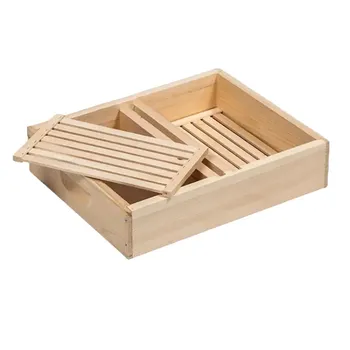
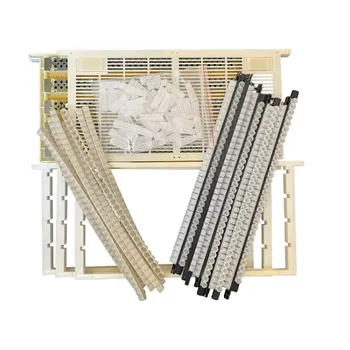
To execute this method, beekeepers utilize specific hardware designed to fit different hive configurations. Common options include top feeders and pro feeders, which keep the syrup contained and accessible. It is important to note that the effectiveness of a specific feeder type can vary from one hive to another.
Strategic Advantages for Colony Health
Enhanced Biosecurity
The primary advantage of closed feeding is the prevention of access by non-colony members. Open feeding often attracts ants, wasps, hornets, and bees from other apiaries. By keeping food inside, you eliminate the risk of these visitors introducing diseases that could wipe out the hive.
Prevention of Robbing
Placing food outside creates a "frenzy" environment that encourages robbery, where strong hives attack weaker ones. Closed feeding keeps the food supply discreet. This prevents triggering the aggressive foraging behavior associated with open food sources.
Precision Monitoring and Treatment
Because only the bees in that specific hive consume the food, a beekeeper can accurately track consumption rates. Furthermore, this isolation allows for individual hive treatments. You can safely add supplements or deterrents, such as Wintergreen essential oils to fend off hive beetles, without affecting other colonies.
Understanding the Trade-offs
High Labor Requirements
Closed feeding is significantly more time-consuming than open feeding. Refilling feeders requires the beekeeper to don full protective gear and physically open every single hive. For large operations, this individual attention represents a major logistical commitment.
Increased Equipment Costs
Unlike open feeding, which might only require a single large bucket for an entire yard, closed feeding requires a dedicated feeder for every hive. Beekeepers must purchase specific equipment, such as hive-top feeders or in-hive feeders, which increases the overhead cost per colony.
Making the Right Choice for Your Goal
- If your primary focus is disease prevention and biosecurity: Adopt closed feeding immediately to ensure no foreign pests or robber bees contaminate your colonies.
- If your primary focus is supporting weak or wintering hives: Use closed feeding to place nutrition within immediate reach, preventing starvation when bees cannot forage.
- If your primary focus is operational efficiency: Be aware that closed feeding requires significantly more time for refilling compared to open feeding methods.
By controlling the food source, you control the environment, turning nutrition into a tool for hive management rather than a simple feeding routine.
Summary Table:
| Feature | Closed Feeding Details |
|---|---|
| Mechanism | Food placed directly inside the hive structure |
| Key Equipment | Top feeders, pro feeders, and in-hive feeders |
| Primary Benefit | Prevents disease transmission and robbing behavior |
| Winter Utility | Keeps food within reach of the cluster during cold |
| Management | Allows for precise monitoring and individual treatments |
| Trade-offs | Higher labor and individual equipment costs per hive |
Maximize Your Apiary's Productivity with HONESTBEE
Transitioning to professional closed feeding requires the right hardware. As a specialist partner for commercial apiaries and distributors, HONESTBEE provides the durable, high-capacity beekeeping tools and machinery you need to scale your operations efficiently. From high-quality top feeders to automated honey-filling machines and hive-making hardware, our comprehensive wholesale portfolio is designed to enhance your biosecurity and operational precision.
Ready to upgrade your apiary’s equipment? Contact us today to discuss your wholesale needs and see how our essential beekeeping consumables and machinery can drive your success.
Related Products
- HONESTBEE Entrance Bee Feeder Efficient Hive Front Liquid Feeding Solution for Beekeeping
- In-Hive Dual Compartment Frame Bee Feeder for Targeted Colony Nutrition
- Classic Boardman Entrance Bee Feeder Hive Front Feeding Solution
- Professional In-Hive Bee Feeder HONESTBEE Frame for Beekeeping
- HONESTBEE Round Hive Top Bee Feeder for Syrup
People Also Ask
- What types of bee feeders are available for beginners? Start with the Simple Entrance Feeder
- What are the advantages and disadvantages of using an entrance feeder for bees? Balance Convenience and Hive Security.
- What is a bee entrance feeder and what are its drawbacks? Essential Guide to Hive Security and Feeding Efficiency
- How does a bee entrance feeder work? A Simple Guide to Convenient Hive Feeding
- How to make an entrance feeder for bees? A DIY Guide for Safe & Effective Feeding