The correct thickness for a standard beehive frame end bar is exactly 3/8 of an inch. This specific dimension is not a suggestion; it is a critical engineering requirement designed to maintain the precise internal geometry of a Langstroth hive. Adhering to this thickness ensures that the frames fit the box correctly while leaving the necessary gap for bee movement.
The 3/8-inch dimension is the keystone of hive geometry. It balances the need for structural rigidity under wire tension with the strict spatial requirements of the Langstroth design, preventing crushed bees and jammed frames.
The Mathematical Precision of Hive Design
The internal ecosystem of a beehive relies on "bee space"—the precise gap bees need to navigate the hive. The thickness of the end bar is a variable that directly dictates whether this space is maintained.
The Internal Constraints
The interior width of a standard Langstroth hive box is fixed at 18 5/16 inches.
This measurement is the hard limit. All internal components must fit within this width while allowing for specific operational gaps.
The Component Equation
To fill this space correctly, the math must align perfectly.
A standard foundation sheet is 16.75 inches wide. When you attach two end bars, each 3/8 of an inch thick, you add exactly 0.75 inches to the assembly.
The Necessary Gaps
This assembly leaves the correct amount of remaining space at the ends of the frame.
This remaining space is divided between the "bee space" (allowing bees to pass around the frame end) and a vital 1/16-inch expansion gap. This expansion gap prevents the frames from becoming stuck when the wood swells due to hive humidity.
The Structural Risks of Deviation
While the 3/8-inch thickness is primarily about spacing, it also plays a vital role in the durability of the frame itself.
The Tension of Wiring
Many beekeepers use wire to secure the wax foundation within the frame.
Tightening these wires places the end bars under significant compressive force. The wood must be stiff enough to resist bowing inward.
The Failure of Thin Bars
End bars thinner than 3/8 of an inch compromise the structural integrity of the frame.
When wired, a thin bar will likely warp or bow. This distorts the frame's shape, potentially altering the bee space between adjacent frames and leading to "burr comb" (unwanted comb connecting frames) or difficulties in frame manipulation.
Making the Right Choice for Your Goal
When selecting or building hive components, precise measurements prevent long-term management headaches.
- If your primary focus is building your own equipment: Plan your lumber to a finished thickness of exactly 3/8 inch to ensure compatibility with standard foundation sheets.
- If your primary focus is purchasing pre-made frames: Verify the specifications of the end bars to ensure manufacturers have not reduced the thickness to save on material costs, which would sacrifice stability.
Precision in your equipment dimensions is the first step toward a manageable and healthy apiary.
Summary Table:
| Component | Standard Dimension | Importance |
|---|---|---|
| End Bar Thickness | 3/8 inch (0.375") | Maintains bee space and prevents frame jamming |
| Langstroth Box Width | 18 5/16 inches | The fixed internal limit for all components |
| Foundation Sheet Width | 16 3/4 inches | Fits precisely between two 3/8" end bars |
| Expansion Gap | 1/16 inch | Allows for wood swelling in high humidity |
| Wiring Tension | High Resistance | Prevents bowing and burr comb formation |
Scaling Your Apiary with Precision-Engineered Equipment
At HONESTBEE, we understand that in commercial beekeeping, a fraction of an inch can be the difference between a productive hive and a management nightmare. As a premier partner for commercial apiaries and distributors, we provide a comprehensive wholesale range of beekeeping tools, machinery, and essential consumables designed to professional standards.
Whether you need precision-cut hive components that guarantee perfect bee space, advanced hive-making machinery, or honey-filling equipment to streamline your production, our portfolio is built to support your growth. We help you eliminate "burr comb" headaches and structural failures with gear that stands the test of time.
Ready to upgrade your operation with industry-leading equipment? Contact HONESTBEE today for wholesale inquiries and expert support
Related Products
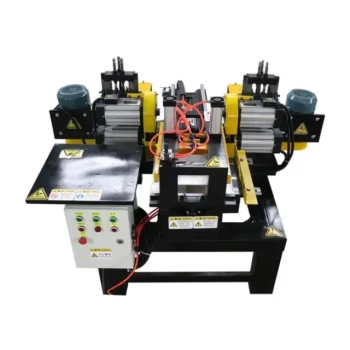
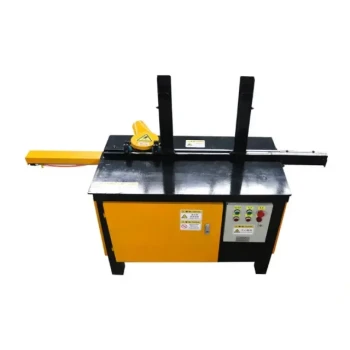
- HONESTBEE Top Bar & Bottom Bar Forming Machine | Bee Frame Machine
- Professional Bee Frame Machine for Side Bar Shaping
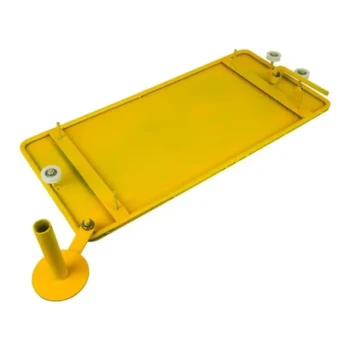
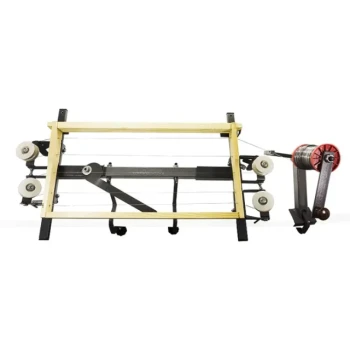
- HONESTBEE Durable Frame Wiring Board with Integrated Tensioner
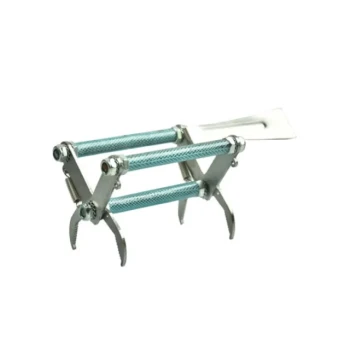
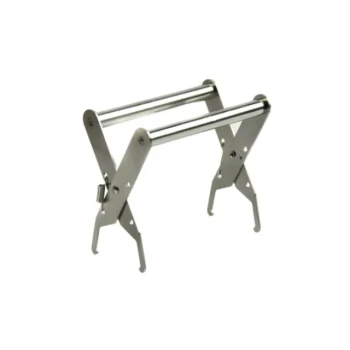
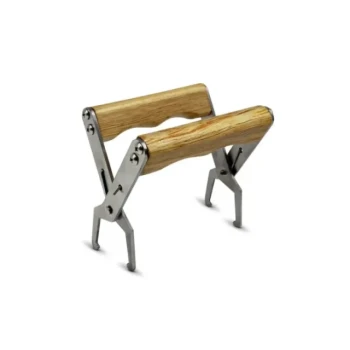
- Heavy-Duty Stainless Steel Clip-On Frame Perch
- HONESTBEE Professional Frame Wiring Board and Jig
People Also Ask
- What is the primary function of the Top Bar and Bottom Bar Forming Machine? Automate Hive Frame Production Excellence
- How does the Top Bar and Bottom Bar Forming Machine process wooden strips? High-Precision Frame Component Production
- What is the operational sequence of the Top Bar and Bottom Bar Forming Machine? Precision Beekeeping Frame Manufacturing
- What are the key benefits of investing in the Top Bar and Bottom Bar Forming Machine? Scale Your Hive Production Now
- What customization options are available for the Top Bar and Bottom Bar Forming Machine? Engineered for Any Hive Standard