Beeswax recycling represents a critical operational shift from resource consumption to sustainable self-sufficiency. By utilizing specialized melting and pressing equipment, apiaries can recover wax from old honeycombs and uncappings to manufacture their own new wax foundations. This process delivers immediate economic value by eliminating the cost of purchasing external consumables while establishing a sterile, closed-loop system that safeguards colony health.
By transforming biological by-products into purified resources, beeswax recycling equipment allows apiaries to decouple their operations from external supply chains. This ensures a consistent supply of standardized foundation sheets while significantly lowering the risk of introducing pathogens or pesticide residues into the hive.
Driving Economic Efficiency
The economic argument for beeswax recycling centers on cost reduction and the creation of value from material that is often treated as waste.
Reducing Consumable Expenses
The primary economic benefit is the drastic reduction in operational costs associated with purchasing beeswax foundation.
Instead of buying new sheets annually, apiaries use recycling equipment to process old honeycombs into fresh foundations. This creates a self-sustaining cycle where the apiary produces its own structural materials.
Monetizing By-Products
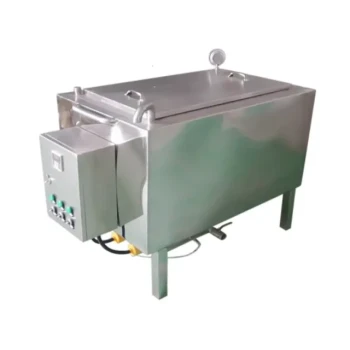
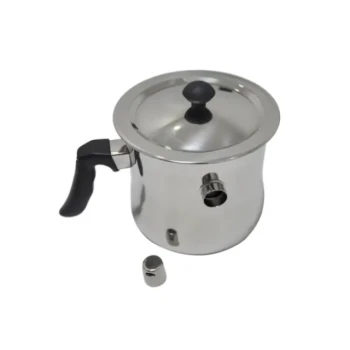
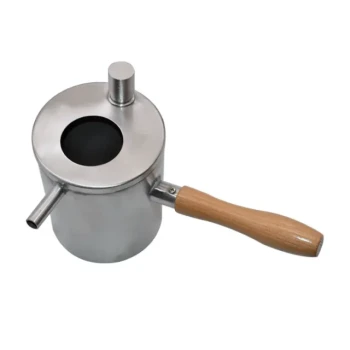
Efficient wax melting equipment enables the recovery of high-purity beeswax from various by-products, including burr combs and uncapping wax.
Once purified, any surplus beeswax not needed for internal foundation production can be sold as a raw material. High-quality beeswax is a sought-after commodity in the pharmaceutical and cosmetic industries, adding a secondary revenue stream to the apiary.
Maximizing Resource Yield
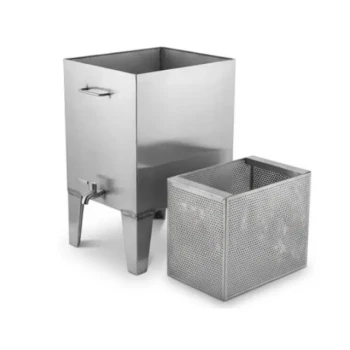
Modern melting systems utilize multi-stage filtration and precise temperature controls to extract the maximum amount of wax from raw comb.
This ensures that valuable resources are not lost during the rendering process. By increasing the yield per hive, the overall economic efficiency of the production chain is significantly improved.
Enhancing Biosecurity and Hive Performance
Beyond the balance sheet, recycling equipment plays a vital role in maintaining the biological integrity of the apiary.
Minimizing Pathogen Risks
The recycling process relies on high-temperature sterilization to melt and purify the wax.
This thermal treatment effectively kills pathogens found in old combs, minimizing the risk of cross-infection between colonies. It is a proactive measure that secures the biological boundary of the apiary.
Avoiding External Contamination
Sourcing beeswax foundation from external suppliers carries the risk of introducing foreign pesticide residues or unknown contaminants into your hives.
By processing your own wax, you maintain total control over the material quality. This closed-loop system ensures that the chemical environment of the hive remains stable and safe for larval development.
Promoting Rapid Colony Development
Recycled wax is formed into standardized, industrial-grade foundation sheets that act as precise templates for the bees.
These foundations encourage bees to build new, straight, and orderly combs quickly. A uniform physical structure improves the efficiency of honey storage and provides a stable environment for brood rearing.
Understanding the Operational Trade-offs
While the benefits are clear, implementing a recycling program requires careful management of equipment and processes.
Capital and Maintenance Requirements
Adopting this system requires an upfront investment in specialized melting, filtration, and pressing equipment.
These machines require regular maintenance and cleaning to function efficiently. The operational complexity increases slightly, as staff must be trained to operate the machinery safely and effectively.
Precision is Critical
Success depends on precise temperature control during the melting phase.
If the temperature is too low, sterilization may be incomplete; if it is too high, the chemical properties of the wax can be degraded. Operators must monitor these parameters closely to ensure the final product is both sterile and structurally sound.
Making the Right Choice for Your Goal
The decision to integrate beeswax recycling depends on your specific operational priorities.
- If your primary focus is Cost Control: Implement recycling to eliminate the recurring expense of foundation sheets and monetize surplus wax in secondary markets.
- If your primary focus is Biosecurity: Utilize the high-temperature sterilization capabilities of modern equipment to prevent pathogen spread and avoid external pesticide contamination.
- If your primary focus is Production Efficiency: Use standardized internal foundations to force rapid, uniform comb building, optimizing the hive for honey storage and brood management.
Ultimately, beeswax recycling equipment transforms the apiary from a raw material consumer into a streamlined, self-sufficient production facility.
Summary Table:
| Value Category | Key Benefit | Impact on Apiary Operations |
|---|---|---|
| Economic | Cost Reduction | Eliminates the need to purchase external wax foundation sheets. |
| Revenue | Monetization | Enables the sale of surplus high-purity wax to pharma and cosmetic industries. |
| Biosecurity | Pathogen Control | High-temperature sterilization kills hive-borne diseases during processing. |
| Operational | Self-Sufficiency | Reduces dependency on external supply chains and prevents pesticide contamination. |
| Productivity | Rapid Development | Standardized foundations encourage faster, more orderly comb building. |
Transform Your Apiary into a Self-Sufficient Powerhouse
Maximize your operational efficiency and safeguard your colonies with HONESTBEE’s professional-grade beeswax recycling solutions. As a dedicated partner to commercial apiaries and global distributors, we provide the complete toolkit for modern beekeeping—from high-yield wax melting and filtration systems to advanced hive-making and honey-filling machinery.
Why partner with HONESTBEE?
- Comprehensive Wholesale Range: Access everything from specialized hardware to essential industry consumables.
- Customized Solutions: Whether you are scaling a commercial apiary or supplying a distribution network, our equipment is built for durability and precision.
- Value-Driven Results: We help you lower operational costs and unlock new revenue streams from your biological by-products.
Ready to elevate your production and secure your supply chain? Contact our expert team today to explore our wholesale offerings and industrial machinery.
References
- Arttu Malkamäki, Markku Kanninen. Impacts of land use and land use changes on the resilience of beekeeping in Uruguay. DOI: 10.1016/j.forpol.2016.06.002
This article is also based on technical information from HonestBee Knowledge Base .
Related Products
- Beeswax Machine Press Embosser Wax Foundation Mold Printer Bee Hive Equipment Making Sheet
- Electric Flatting and Embossing Machine with Tray for Beekeeping
- Electric Beeswax Foundation Machine With Operating Tray and Wax Foundation Roller
- Electric Beeswax Flat Sheet Machine with Operating Tray for Wax Processing
- Fully Automatic Beeswax Embossing Machine Foundation Mill
People Also Ask
- What equipment is needed to make beeswax foundation? A Guide to DIY Wax Sheet Production
- What miscellaneous equipment is needed for making foundation? A Guide to the Essential Tools
- What miscellaneous equipment is useful when making beeswax foundation? Essential Support Tools for Beekeepers
- What specific equipment is required for making beeswax foundation? Essential Tools for High-Quality Production
- What is the recommended temperature for melting beeswax to make foundation sheets? Master the 70°C-80°C Ideal Range