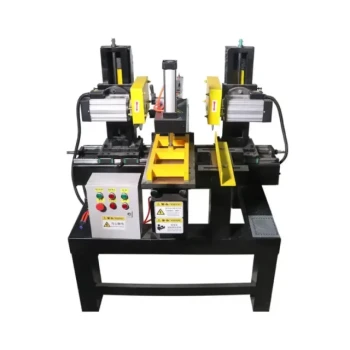
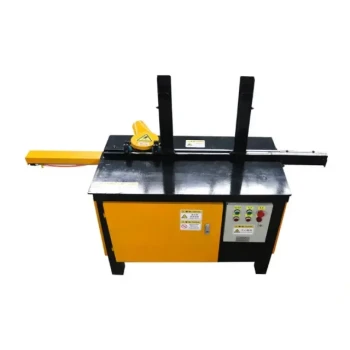
Utilizing hive-making machines transforms community beekeeping from a subsistence activity into a scalable, self-sufficient industrial model. By enabling the local production of standardized equipment, these machines slash procurement costs, eliminate dependency on external supply chains, and foster technical skill development within the community. This shift creates a foundation for economic resilience, allowing apiaries to focus capital on colony expansion rather than infrastructure overhead.
The core economic impact of hive-making machinery lies in the transition from a "buyer" to a "producer" mindset, significantly lowering the barrier to entry while ensuring the high degree of standardization required for modern, competitive honey markets.
Streamlining the Internal Supply Chain
Reducing Upstream Dependency
Integrating woodworking machinery allows communities to establish an internal supply chain for their most critical hardware. This reduces reliance on expensive external vendors and eliminates the logistics costs associated with transporting bulky, pre-assembled hives.
Optimizing Long-Term Capital Expenditure
While the initial purchase of machinery requires an upfront investment, it significantly reduces long-term capital expenditure. Producing frames and hives on-site allows enterprises to flexibly adjust specifications based on local nectar conditions without incurring custom-order premiums.
Accelerating Rapid Colony Expansion
For start-up apiaries, the ability to manufacture equipment in-house is a critical factor in reaching an economically sustainable scale. Efficient assembly tools allow producers to rapidly expand their colony capacity, helping them overcome the high entry barriers typical of industrial beekeeping.
Driving Productivity Through Standardization
Precision Engineering and Colony Health
Industrial-grade machines ensure that hive components possess superior precision, which is vital for temperature control and pest resistance. A standardized environment directly improves bee survival rates and honey production efficiency, maximizing the return on biological assets.
Interoperability and Management Efficiency
Dimensional consistency allows for the interchangeability of hive parts between different colonies and apiaries. This standardization is essential for mechanized honey harvesting and large-scale colony relocation, drastically reducing labor intensity and operational complexity.
Professionalizing Local Production
Moving away from artisanal, non-standardized hives allows rural producers to meet strict market standards. This professionalization enables communities to transition from local subsistence to competitive participation in the global ecological honey market.
Understanding the Trade-offs
The Technical Skill Gap
The primary challenge of introducing hive-making machinery is the requirement for technical training and maintenance. Communities must invest time in woodworking and machine upkeep to prevent production downtime, which can temporarily offset initial efficiency gains.
Quality Control and Material Sourcing
Standardization is only as good as the raw materials used. Without access to consistent, high-quality timber, the precision of the machines may be wasted, leading to structural failures that can jeopardize the health of the bee colonies.
Initial Investment vs. Utilization Rates
For very small operations with fewer than 80 hives, the ROI on heavy machinery may take longer to realize. Distributors must help clients assess whether their projected expansion justifies the purchase of high-output automated equipment versus semi-automated alternatives.
How to Apply This to Your Distribution Strategy
To effectively serve the beekeeping sector, distributors must position themselves as partners in industrialization rather than just equipment vendors.
- If your primary focus is rapid market entry for clients: Prioritize stocking semi-automated assembly tools that lower the initial investment threshold for new community cooperatives.
- If your primary focus is supporting large-scale commercial apiaries: Offer a full-spectrum portfolio of industrial-grade CNC and woodworking machinery to ensure their infrastructure is standardized for mechanized harvesting.
- If your primary focus is supply chain reliability: Leverage your one-stop sourcing capabilities to provide both the machinery and the professional expertise required to maintain it, ensuring your clients face zero downtime.
By integrating hive-making technology, community beekeeping initiatives secure a sustainable economic future built on self-sufficiency, precision, and industrial scalability.
Summary Table:
| Economic Factor | Impact of Hive-Making Machinery |
|---|---|
| Supply Chain | Reduces dependency on external vendors; eliminates logistics costs for bulky equipment. |
| Capital Expenditure | Lower long-term costs through on-site production and flexible customization. |
| Operational Scale | Accelerates colony expansion by lowering the financial barrier to entry. |
| Standardization | Ensures part interoperability, enabling mechanized harvesting and professional market entry. |
| Productivity | Improves colony health via precision engineering and reduces manual labor intensity. |
Empower Your Distribution Network with HONESTBEE
As a global leader in beekeeping solutions, HONESTBEE empowers distributors and B2B resellers with the tools needed to industrialize community and commercial apiaries. By partnering with us, you gain access to a one-stop sourcing platform featuring high-precision hive-making machinery, honey-filling equipment, and a full spectrum of industry consumables.
Why Partner with HONESTBEE?
- Comprehensive Portfolio: Everything from specialized hardware to honey-themed cultural merchandise.
- Reliable Supply Chain: High-output machinery designed for rapid order fulfillment and zero downtime.
- B2B Focused Growth: Benefit from competitive wholesale pricing, OEM/ODM support, and deep professional expertise to maximize your profit margins.
- Rapid Response: Exceptional customer service and ultra-fast delivery to keep your clients' operations running smoothly.
Contact HONESTBEE today to explore our wholesale offerings and scale your business!
References
- Kamuntu Mbulika, Sabina Tuyembe. Community-Based Beekeeping Programmes in Northern Somali Rural Areas: Economic Sustainability and Environmental Impact Studies in Tanzania. DOI: 10.5281/zenodo.18991796
This article is also based on technical information from HonestBee Knowledge Base .
Related Products
- High-Efficiency Pneumatic Bee Hive Making Machine for Rapid Box Assembly
- Mini Desktop Bee Hive Frame Forming Making Machine
- Beehive Handle and Frame Rest Cutting Machine: Your Specialized Hive Machine
- Beehive Machine Double End Saw for Precision Hive Component Manufacturing
- Automatic High-Speed Bee Hive Box Stapling Machine
People Also Ask
- How does the introduction of professional beehive-making machinery benefit sustainable beekeeping? Scale Your Apiary
- Why is specialized beehive-making machinery critical for low-defense breeding? Enhance Selection with Precision Tools
- How does the introduction of specialized beehive making machinery contribute to increasing the scale of regional beekeeping industries?
- What is the importance of specialized beehive making machinery in a circular bio-economy? Build Local Sustainability
- Why is specialized beehive-making machinery essential? Scale Your Apiary with Precision Industrial Standards