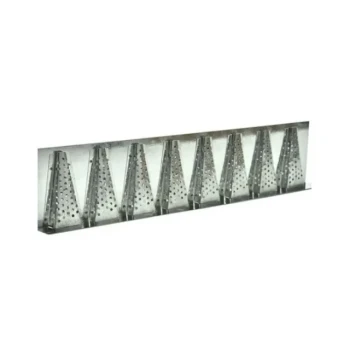
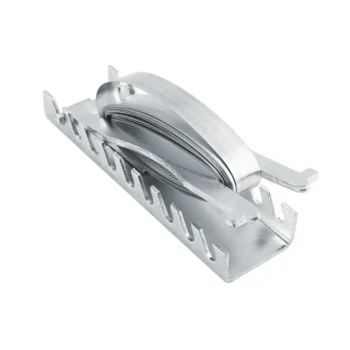
The primary function of a Beetle Guard is to act as a selective mechanical barrier that physically excludes the Large African Hive Beetle (Oplostomus fuligineus) from entering a beehive. By installing a grid with precise spacing at the hive entrance, the device leverages the significant size difference between the pest and the honeybee, allowing workers to pass freely while blocking the larger beetles from raiding the colony.
The effectiveness of a Beetle Guard relies on the principle of size exclusion. Because the Large African Hive Beetle is significantly larger than a worker bee, a static entrance grid offers a passive, chemical-free defense against brood predation.
The Mechanics of Exclusion
Leveraging Physical Size
The design of the Beetle Guard is dictated by the morphology of the pest. Adult Large African Hive Beetles are robust insects, typically measuring 20 to 23 mm in length.
This size makes them significantly bulkier than the average worker honeybee. The guard acts as a "sieve" that filters traffic based solely on these physical dimensions.
Protecting the Brood
The primary motivation for installing this barrier is the protection of the hive's future generation.
Once inside, these beetles prey on the brood, destroying eggs and larvae. By stopping the beetle at the "front door," the guard prevents the damage before it can begin.
Ensuring Worker Mobility
While the guard creates an impassable wall for the beetle, it must remain permeable for the colony.
The grid spacing is engineered to be just wide enough for worker bees to enter and exit. This allows foraging and hive maintenance to continue without significant interruption.
Operational Trade-offs
Potential for Congestion
Any restriction placed at a hive entrance can alter traffic flow.
During peak foraging hours, a physical barrier may cause a bottleneck. You must observe the hive to ensure the guard does not slow down pollen and nectar collection significantly.
Maintenance and Debris
Mechanical barriers can accumulate debris over time.
Dead bees or hive refuse that would normally be carried out easily might get caught in the grid. Regular inspection is required to ensure the entrance remains clear and breathable.
Making the Right Choice for Your Hive
A Beetle Guard is a specific tool for a specific pest. It is most effective when used as a preventative measure in areas where Oplostomus fuligineus is active.
- If your primary focus is Colony Survival: Implement the guard to prevent catastrophic damage to the brood, which is the specific target of this beetle.
- If your primary focus is Organic Management: Use this mechanical barrier as a primary defense to avoid introducing chemical pesticides into the hive environment.
By physically denying access to the predator, you solve the problem at the perimeter rather than fighting it inside the hive.
Summary Table:
| Feature | Specification/Function |
|---|---|
| Primary Function | Mechanical barrier for size-exclusion of Oplostomus fuligineus |
| Target Pest Size | Adult beetles typically 20 - 23 mm in length |
| Mechanism | Grid spacing that allows worker bees to pass but blocks larger beetles |
| Core Benefit | Protects brood from predation without the use of chemicals |
| Maintenance | Requires regular inspection to prevent entrance congestion/debris |
Secure Your Apiary’s Future with HONESTBEE Professional Equipment
Protecting your colony from predators like the Large African Hive Beetle requires precision-engineered solutions. At HONESTBEE, we specialize in supporting commercial apiaries and distributors with a comprehensive range of high-quality beekeeping tools, machinery, and essential consumables.
Whether you need specialized hardware like hive-making machines and honey-filling lines, or a reliable wholesale supply of physical pest control guards, our portfolio is designed to enhance your operational efficiency and hive survival rates.
Ready to scale your beekeeping business with professional-grade tools?
Contact HONESTBEE today to discuss your wholesale needs!
References
- Worrel A. Diedrick, Cameron Jack. Large African Hive Beetle Oplostomus fuligineus (Olivier) (Insecta: Coleoptera: Scarabaeidae). DOI: 10.32473/edis-in1309-2020
This article is also based on technical information from HonestBee Knowledge Base .
Related Products
- 8-Cone Galvanized Steel Bee Robber Guard
- Beehive Entrance Reducer Guardian Metal Hive Entrance for Bees
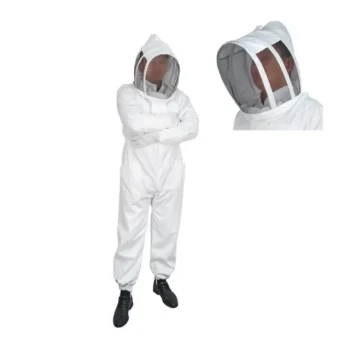
- White Cotton Beekeeping Jacket and Veil for Bee Keepers
- Beekeeping Jacket with Hood and Veil for Beekeepers
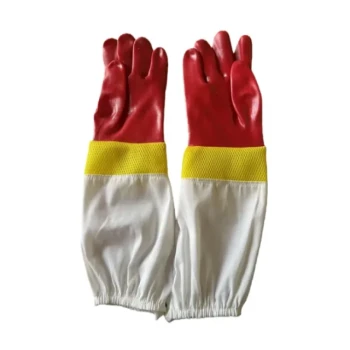
- Heavy Duty Red Rubber Beekeeping Gloves with Vented Mesh Cotton Sleeves
People Also Ask
- What protective functions do beehive entrance guards provide? Defend Your Hive Against Wasps and Moths
- What is the primary function of protective guards at hive entrances? Block Rodents & Boost Winter Survival Rates
- How do conical metal guards or rubber inner tubes function as pest control tools? Stop Ants with Mechanical Barriers
- What is the function of Hive Entrance Guards? Master Bee Colony Defense Against Small Hive Beetles
- How can hardware mesh be applied to a beehive entrance for winter protection? Secure Your Colony Against Pests