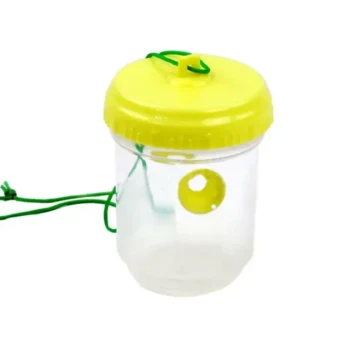
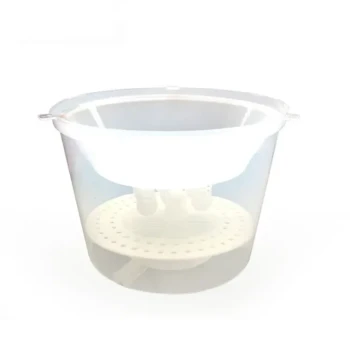
Pollen traps are precision mechanical interfaces installed at the entrance of a beehive to intercept foraging worker bees. These devices force returning bees to navigate through a specialized physical grid or set of small apertures before entering the colony. As the bees squeeze through these openings, the mechanical friction dislodges the pollen pellets attached to their hind legs (corbiculae), causing the loads to fall into a collection drawer below for harvesting.
The Core Function: Pollen traps enable the systematic, non-destructive collection of fresh pollen samples before they enter the hive environment. This provides researchers and beekeepers with high-fidelity data on floral diversity, nutritional availability, and lipid composition without chemically altering the sample or harming the colony.
The Mechanical Principle
Physical Interception
The trap functions by placing a calibrated grid directly in the flight path of entering bees. The apertures are sized specifically to allow the worker bee to pass through while physically scraping off the pollen loads carried on their hind legs.
Non-Destructive Sampling
Unlike invasive methods that require opening the hive, these traps allow for continuous collection without injury to the bees. The mechanism separates the resource from the forager, allowing the bee to continue its duties while the pollen is secured in a separate container.
Scientific and Analytical Applications
Nutritional Profiling
The primary research function of these traps is to obtain large-scale samples for analyzing lipid and fatty acid compositions. By collecting pollen immediately upon the bee's return, scientists can assess the exact nutritional value available in the landscape.
Ensuring Sample Purity
Pollen collected via traps prevents the cross-contamination and degradation that occurs inside the hive. Once pollen enters the colony, it is processed into "bee bread," which alters its chemical structure; traps capture the raw, unaltered state necessary for accurate purity verification and volatile organic compound (VOC) analysis.
High Temporal Resolution
Traps allow for real-time monitoring of diet composition. Researchers can track the diversity of plant species visited by bees over specific time periods, creating a precise timeline of floral resources in agricultural or wild landscapes.
Commercial and Ecological Utility
Yield Statistics
For commercial operations, these devices are essential machinery for calculating yield statistics. They quantify the productivity of a location, helping beekeepers assess the viability of an area for honey and pollen production.
Bio-Monitoring
The traps serve as a tool for monitoring environmental health. By analyzing the trapped pollen, experts can determine the botanical classification of local flora, offering insights into the biodiversity of intensive agricultural areas or forests.
Understanding the Trade-offs
Nutritional Balance
While traps are designed to be non-destructive to the bee, they are extractive to the colony. Overuse of pollen traps can deprive the hive of essential protein required for brood rearing, potentially stalling colony development if not managed correctly.
Entrance Congestion
The installation of a physical grid restricts the flow of traffic at the hive entrance. In periods of heavy nectar flow or high heat, the trap can cause congestion or ventilation issues, requiring careful monitoring by the beekeeper.
Making the Right Choice for Your Goal
Whether you are conducting high-level research or managing commercial production, the utility of the trap depends on your specific objective.
- If your primary focus is Nutritional Analysis: Utilize these traps to capture fresh samples specifically for determining lipid and fatty acid profiles before hive processing alters the chemistry.
- If your primary focus is Environmental Monitoring: Deploy traps to create a real-time timeline of floral diversity and botanical classification in the surrounding landscape.
- If your primary focus is Commercial Production: Use the devices to harvest pollen as a non-timber forest product, ensuring you rotate usage to prevent colony protein deficiency.
Pollen traps bridge the gap between the external environment and the hive, converting a biological foraging process into measurable, actionable data.
Summary Table:
| Feature | Function & Impact |
|---|---|
| Mechanical Principle | Calibrated grids dislodge pollen pellets from worker bees' hind legs upon entry. |
| Research Utility | Captures raw, unaltered samples for lipid profiling and floral diversity monitoring. |
| Commercial Value | Facilitates yield statistics and high-purity harvesting for commercial distribution. |
| Ecological Monitoring | Tracks local biodiversity and botanical health via high-temporal resolution data. |
| Management Need | Requires rotation to balance hive nutrition and ensure proper colony ventilation. |
Maximize Your Colony Productivity with HONESTBEE
Elevate your commercial apiary or distribution business with professional-grade solutions from HONESTBEE. We specialize in providing the full spectrum of beekeeping tools, specialized machinery, and essential industry consumables designed for high-performance operations.
From precision pollen traps and hive-making machines to advanced honey-filling equipment, our comprehensive wholesale offering ensures your business stays ahead of the curve. Whether you are conducting large-scale research or scaling commercial production, we bring the expertise and hardware you need to succeed.
Ready to upgrade your apiary? Contact us today to explore our wholesale catalog and discover how HONESTBEE can streamline your operations!
References
- Robert Manning, Maeve Harvey. Fatty acids in honeybee-collected pollens from six endemic Western Australian eucalypts and the possible significance to the Western Australian beekeeping industry. DOI: 10.1071/ea00160
This article is also based on technical information from HonestBee Knowledge Base .
Related Products
- Removable Plastic Pollen Trap With Ventilated Tray for Bees Pollen Collector
- 30 cm Plastic Entrance Hole Bee Pollen Trap and Collector
- Plastic Bee Pollen Trap Strips Comb Catcher Collector
- High-Efficiency Diamond Maze Bee Escape for Clearing Supers
- Professional Bucket Style Wasp and Moth Pheromone Trap
People Also Ask
- What are the design principles and advantages of pollen traps in the collection of bee pollen? Boost Your Apiary Yield
- What is the function of professional pollen traps in evaluating honey plants? Quantifying Pollination and Crop Potential
- What functions do pollen traps serve for bee bread production? Optimize Your Raw Material Collection
- What maintenance and pest prevention measures should be taken for pollen traps? Protect Your Hive and Harvest Quality
- How does the use of pollen traps in honeybee hives enhance crop fertilization? Boost Your Yield Through Induced Activity