The function of precision chemical dispensers and sublimators is to guarantee the accurate, safe delivery of miticides within a honeybee colony. Specifically designed for treatments like formic acid (dispensers) and oxalic acid (sublimators), these devices mechanically regulate the release of active ingredients. This ensures the chemical permeates the hive at a stable, uniform rate rather than in dangerous, concentrated spikes.
Core Takeaway The effectiveness of Varroa treatment relies entirely on the dosage: too low, and the mites survive; too high, and the bees suffer. Precision equipment bridges this gap, maximizing mite mortality while preventing chemical toxicity from harming the colony's vulnerable larvae and worker bees.
The Mechanics of Precision Control
Calibrated Dosage Stability
The primary role of these devices is to remove human error and environmental unpredictability from the treatment process.
Precision dispensers and sublimators are calibrated to release medications at a specific, controlled rate. This ensures that the concentration of the active ingredient remains stable throughout the treatment period, rather than fluctuating wildly.
Uniform Distribution
Dropping a chemical into a hive does not guarantee it reaches every mite.
Sublimators and dispensers are engineered to disperse agents like oxalic acid vapor or formic acid fumes evenly throughout the hive structure. This uniform distribution prevents "safe zones" where mites can hide and ensures the treatment reaches the parasite regardless of where it is attached to the bees.
Why Precision Matters for Colony Health
Preventing Chemical Stress
The margin of error when using miticides is incredibly narrow.
Without precision equipment, manual applications can create localized high concentrations of medication. These "hot spots" can cause significant chemical stress or physical damage to honeybee larvae and adult worker bees, potentially weakening the very colony you are trying to save.
Breaking the Virus Cycle
Varroa mites are not just parasites; they are vectors for deadly viruses that threaten colony survival.
By ensuring the effective suppression of mite density, these devices indirectly disrupt the transmission of viruses. This is critical for preventing large-scale mortality, particularly during the overwintering period when the colony's biological reserves are most fragile.
Understanding the Trade-offs
The Risk of "Empirical" Application
While precision equipment requires an initial investment, the alternative—often referred to as empirical or manual drug application—carries significant biological risks.
Relying on estimation rather than calibration can lead to under-dosing, which accelerates the development of mite resistance to treatments. Conversely, overdosing depletes the health of long-lived winter bees, reducing the colony's ability to regulate temperature and survive the cold.
Dependence on Monitoring
Precision delivery is only as effective as the timing of the application.
These devices must be used in conjunction with accurate monitoring tools, such as sticky boards or sugar roll testers. Using a precision dispenser when mite loads are below the threshold is an unnecessary chemical intervention that yields no benefit.
Making the Right Choice for Your Goal
To maximize the utility of these devices, align their use with your specific colony management objectives:
- If your primary focus is Brood Safety: Prioritize precision dispensers for formic acid to prevent concentration spikes that kill larvae during active brood rearing.
- If your primary focus is Winter Survival: Utilize sublimators for oxalic acid during broodless periods to thoroughly cleanse the colony of mites without wetting or chilling the bees.
Precision in chemical application is not merely a technical preference; it is the fundamental safeguard that allows beekeepers to eliminate parasites without compromising the physiology of the host.
Summary Table:
| Feature | Precision Dispensers (e.g., Formic Acid) | Sublimators (e.g., Oxalic Acid) |
|---|---|---|
| Primary Function | Regulated, slow-release evaporation | Rapid conversion of crystals to vapor |
| Distribution | Uniform fumes throughout the brood nest | Fine vapor clouds reaching all surfaces |
| Safety Focus | Prevents larval death from concentration spikes | Minimizes moisture/chilling in winter |
| Best Use Case | Active brood rearing periods | Broodless periods or winter treatments |
| Key Benefit | Stable dosage regardless of temperature | High mite mortality with minimal bee stress |
Elevate Your Apiary’s Health with Professional Equipment
Don't leave your colony’s survival to chance or manual estimation. HONESTBEE supports commercial apiaries and distributors with high-performance beekeeping tools and machinery designed for precision and durability. From advanced chemical delivery systems to hive-making and honey-filling machines, our comprehensive wholesale offering ensures you have the specialized hardware needed to scale your operations and protect your bees.
Ready to upgrade your equipment? Contact HONESTBEE today to discuss our full spectrum of industry consumables and professional-grade machinery tailored for your success.
References
- Giovanni Formato, Stefano Palomba. Definition and Identification of Honey Bee Welfare Practices Within the Five Domains Framework for Sustainable Beekeeping. DOI: 10.3390/app142411902
This article is also based on technical information from HonestBee Knowledge Base .
Related Products
- Adjustable Formic and Acetic Acid Dispenser for Bee Mite Treatment
- Premium Diamond-Faceted Glass Honey Dispenser
- Compact Circular Bee Mite Treatment Dispenser
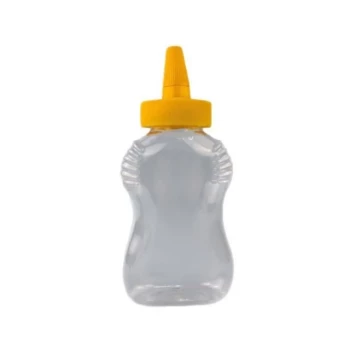
- Ergonomic Squeezable Honey Bottle with Precision Twist Nozzle Cap
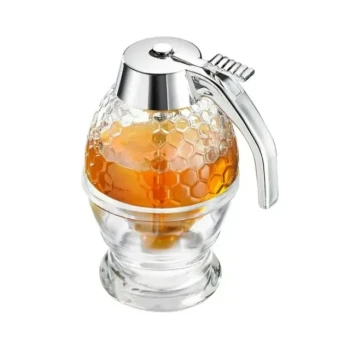
- Honeycomb Style Drip Free Honey Dispenser
People Also Ask
- How is the process regulation function of a Formic Acid Dispenser implemented? Achieve Safe, Effective Varroa Control
- Why is a specialized formic acid evaporator necessary? Ensure Safe & Effective Varroa Mite Treatment
- What role do Formic Acid Dispensers play in the biochemical control of Varroa mites? Precision Mite Management
- What is the primary function of a specialized evaporation dispenser? Master Formic Acid Varroa Control
- What is the function of specialized application devices for Varroa? Precision Control for Healthier Bee Colonies