Professional grinding equipment is the cornerstone of high-quality artificial bee feed production, designed to pulverize legumes and raw pollen into uniform, micron-sized powders. This precision processing ensures that essential nutrients are homogeneously distributed, facilitating easy ingestion and maximum absorption by the honeybee colony. By simulating the physical morphology of natural pollen, these machines transform raw agricultural inputs into a bioavailable food source that prevents colony starvation and supports robust brood development.
Core Takeaway: Professional grinding equipment bridges the gap between raw ingredients and digestible nutrition by ensuring particle uniformity, which is critical for the homogeneous mixing of supplements and the effective delivery of proteins to the hive.
Precision Particle Reduction and Feed Consistency
Achieving Uniform Micron-Sized Powders
Industrial-grade grinders are engineered to process legumes—such as lupin, mung beans, and chickpeas—into a fine, consistent powder. This mechanical milling reduces the particle diameter to match the physical characteristics of natural pollen grains, making the substitute recognizable to foraging bees.
Preventing Ingredient Agglomeration
High-performance equipment effectively breaks down the natural agglomeration of pollen grains and dry granules. This ensures the resulting material remains free-flowing, which is vital for both the manufacturing process and the final feed's texture.
Enhancing Surface Area for Nutrient Release
By physically disrupting the outer walls of pollen and grains, grinding significantly increases the contact surface area. This structural breakdown allows for a more complete release of bioactive substances, including phenolics and vitamins, into the feed mixture.
Ensuring Nutritional Homogeneity and Palatability
Facilitating Deep Homogeneous Mixing
A fine powder is the necessary foundation for thoroughly mixing raw ingredients with concentrated nutritional supplements like vitamins and minerals. Without this level of consistency, supplements can settle or stratify, leading to uneven nutrient distribution across the colony.
Improving Feed Patty Palatability
The texture of the feed directly impacts how readily worker bees will consume it. Grinding ensures that feed patties are smooth and uniform, which significantly enhances their palatability and ensures that worker bees can ingest nutrients with maximum efficiency.
Preventing Sedimentation in Liquid Feed
When preparing supplemental syrups, fine grinding prevents the sedimentation of pollen particles at the bottom of feeders. This ensures that every drop of liquid feed carries a consistent ratio of proteins and trace elements to the larvae and young bees.
Strategic Advantages for Large-Scale Sourcing
Streamlining the Full-Spectrum Portfolio
For distributors and wholesalers, offering professional grinding equipment alongside mixers and feeders creates a comprehensive sourcing solution. Providing the full suite of preparation technology establishes your position as a deep industry expert rather than just a hardware vendor.
Efficiency in Order Fulfillment
Modern industrial grinders are designed for rapid throughput, aligning with the needs of large-scale commercial apiaries. Sourcing high-capacity machinery ensures that your clients can meet tight feeding windows during nectar scarcity or cold seasons.
Deep Professional Industry Expertise
Understanding the technical nuances of mechanical shear and particle morphology allows resellers to provide better guidance to their clients. This expertise builds long-term trust and differentiates your service in a competitive global market.
Understanding the Trade-offs and Limitations
Heat Generation and Nutrient Integrity
Rapid mechanical grinding can generate significant friction heat, which may degrade sensitive vitamins or enzymes in the feed. Industrial-grade machines often include cooling features or specific milling speeds to mitigate this risk and preserve feed quality.
Maintenance and Component Wear
The abrasive nature of legumes and dried pollen can lead to equipment wear over time, requiring regular maintenance of grinding plates or hammers. Wholesalers should ensure a steady supply of replacement parts to maintain the "ultra-fast delivery" promise for their clients.
Over-Processing Risks
Grinding materials into a powder that is too fine can sometimes lead to clumping when mixed with high-concentration syrups. Finding the "sweet spot" in particle size is essential for maintaining the ideal flowability and digestion rate of the artificial feed.
Making the Right Choice for Your Goal
Strategic Recommendations for Resellers
When selecting grinding equipment for your inventory or client projects, consider the specific operational scale and nutritional requirements of the end-user.
- If your primary focus is High-Volume Industrial Production: Prioritize heavy-duty milling equipment with integrated cooling systems to maintain nutrient integrity during continuous operation.
- If your primary focus is Specialized Lab or Research Use: Opt for precision micronizers that offer the highest degree of particle uniformity for consistent experimental results.
- If your primary focus is One-Stop Commercial Sourcing: Select versatile grinders that can handle a wide variety of legumes and pollens to complement a full-spectrum feeding product line.
By integrating high-precision grinding technology into your product offerings, you empower your clients to produce superior bee nutrition that ensures colony survival and peak productivity.
Summary Table:
| Key Function | Technical Benefit | Impact on Bee Health |
|---|---|---|
| Particle Reduction | Achieves uniform micron-sized powders | Facilitates easy ingestion and absorption |
| Homogeneous Mixing | Prevents nutrient stratification/clumping | Ensures consistent delivery of proteins |
| Surface Area Increase | Breaks down pollen/grain outer walls | Maximizes release of bioactive nutrients |
| Texture Refining | Creates smooth, palatable feed patties | Enhances consumption rates and efficiency |
Elevate Your Inventory with HONESTBEE’s Professional Solutions
As a global leader in beekeeping technology, HONESTBEE empowers distributors and B2B resellers with a comprehensive, full-spectrum product portfolio. From high-precision grinding machinery to automated honey-filling systems, we provide the tools your clients need to achieve peak apiary productivity.
Why partner with HONESTBEE?
- One-Stop Sourcing: Access everything from specialized hardware to essential industry consumables.
- Reliable Fulfillment: Benefit from our ultra-fast delivery and rapid response times.
- Industry Expertise: Leverage our deep technical knowledge to offer your customers superior guidance.
- Tailored Services: We offer competitive wholesale pricing and dedicated support to maximize your profit margins.
Ready to enhance your supply chain with premium beekeeping equipment?
Contact our professional team today!
References
- Shams Ul Islam, Abeer Hashem. Effect of Diet Compositions on Colony Strength Parameters, and the Enzymatic Activity of Apis mellifera L. During Floral Scarcity. DOI: 10.3390/insects16090967
This article is also based on technical information from HonestBee Knowledge Base .
Related Products
- HONESTBEE Professional Hive Top Bee Feeder Feeding Solution
- Queen Bee Artificial Insemination Instrument Equipment for Instrumental Insemination
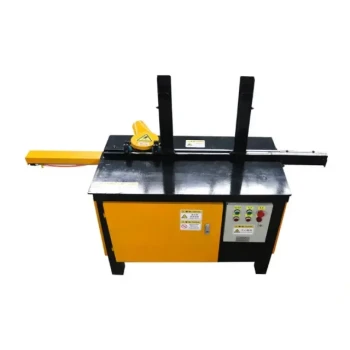
- Professional Bee Frame Machine for Side Bar Shaping
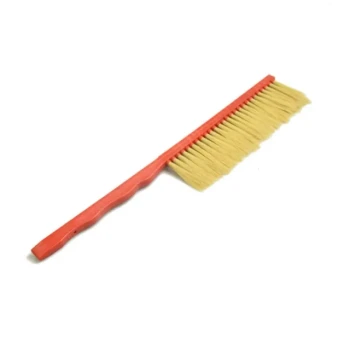
- Plastic Handle Single Row Artificial Fiber Bee Brush
- Professional Wide Blade Honey Scraper for Beekeeping and Honey Processing
People Also Ask
- How does a bee hive top feeder work? A Guide to Efficient, Protected Feeding
- Do I need an inner cover with a hive top feeder? Optimize Your Hive Setup for Healthy Bees
- What is a hive top feeder? A Guide to Efficient, Low-Stress Beekeeping
- What is a hive top feeder, and how does it work? A Complete Guide to Efficient In-Hive Feeding
- What are the characteristics, advantages, and disadvantages of hive top feeders? Optimize Your High-Volume Feeding