Precision handling is non-negotiable. The primary function of lightweight or featherweight tweezers is to provide a gentle, controlled grip when manipulating live honey bees. These specialized tools allow researchers to grasp the bee by the thorax or wing base, effectively minimizing physical damage to the exoskeleton and sensitive appendages while preventing stress-induced mortality.
The core value of featherweight tweezers is the preservation of the subject. By limiting the force applied during handling, they ensure that experimental data is not compromised by injury or physiological stress in the bee.
The Mechanics of Gentle Handling
The design of these tweezers addresses the biological fragility of the honey bee. The following sections detail how they function to protect specific anatomical structures.
Targeting the Thorax and Wing Base
To handle a bee safely, one must avoid the abdomen, which houses vital soft organs. Lightweight tweezers are designed to target sturdy anchor points.
They allow the user to securely grasp the thorax or the wing base with sufficient control to lift the insect without slipping.
Protecting the Exoskeleton
Standard forceps can easily apply crushing force that cracks the bee's protective outer shell.
Featherweight tweezers provide a "soft" tension that holds the bee firm without crushing the exoskeleton. This prevents internal injuries that are often invisible but fatal.
Preserving Sensory Appendages
A bee's ability to function depends on its legs and antennae.
These tweezers offer the fine motor control required to avoid accidental clipping or crushing of these delicate limbs. Preserving these appendages is essential for maintaining the bee's natural behavior during experiments.
Understanding the Constraints
While these tools are essential for safety, effective use requires an understanding of their limitations regarding control.
The Balance of Control vs. Force
The primary reference notes that these tweezers provide "sufficient control," but this is a delicate balance.
Because the clamping force is intentionally low to prevent damage, the grip is less rigid than standard heavy-duty tweezers. This requires the user to be precise in their movements to prevent the bee from wiggling free, which could lead to a secondary injury if the bee is dropped.
Making the Right Choice for Your Research
When selecting tools for live specimen handling, your technique must align with your experimental goals.
- If your primary focus is long-term survival: Prioritize tweezers that offer the widest surface area contact on the wing base to minimize localized pressure and reduce mortality rates.
- If your primary focus is behavioral accuracy: Use featherweight tweezers to ensure the antennae and legs remain untouched, preventing stress that could skew your data.
Proper instrumentation is the first step in ensuring the validity of your biological research.
Summary Table:
| Feature | Function in Bee Handling | Key Benefit |
|---|---|---|
| Featherweight Tension | Limits clamping force on the exoskeleton | Prevents crushing and internal injury |
| Precision Tips | Targets the thorax or wing base | Avoids damage to soft abdominal organs |
| Enhanced Control | Manipulates specimen without limb contact | Preserves sensitive antennae and legs |
| Lightweight Design | Minimizes physical stress and fatigue | Ensures survival and data accuracy |
Elevate Your Apiary Operations with HONESTBEE
At HONESTBEE, we understand that precision is the backbone of successful beekeeping and biological research. Whether you are a commercial apiary or a global distributor, our comprehensive wholesale offering provides the specialized tools you need to maintain colony health and operational efficiency.
From high-precision handling instruments to advanced honey-filling machines and hive-making hardware, we supply the full spectrum of industry-leading equipment and consumables. Let us help you protect your bees and scale your business with quality you can trust.
Ready to upgrade your equipment? Contact us today to explore our wholesale solutions!
References
- Hannelie Human, Huoqing Zheng. Miscellaneous standard methods for<i>Apis mellifera</i>research. DOI: 10.3896/ibra.1.52.4.10
This article is also based on technical information from HonestBee Knowledge Base .
Related Products
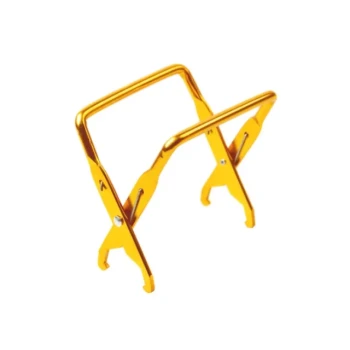
- Lightweight Aluminum Frame Grip
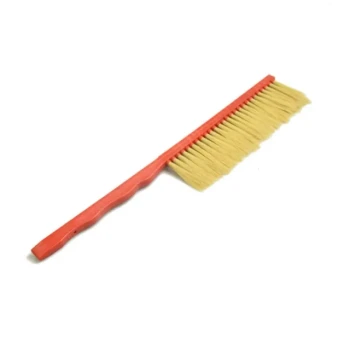
- Plastic Handle Single Row Artificial Fiber Bee Brush
- Double Row Artificial Fiber Bee Brush for Beekeeping
- HONESTBEE Professional Mini J-Hook Hive Tool for Beekeeping
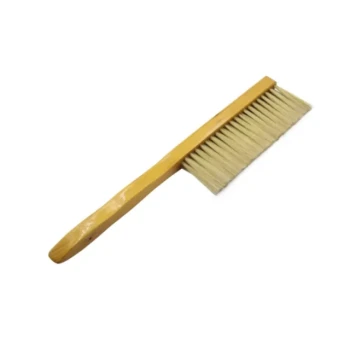
- Wooden Bee Brush with Triple Row Artificial Fiber for Beekeeping
People Also Ask
- What is a frame grip and how is it used? Secure Your Hive Inspections with Ease
- What is the purpose of using frame grips in beekeeping operations? Elevate Your Apiary Precision & Hive Safety
- What is the primary function of frame grips in beekeeping? Master Hive Inspections with Stability
- What are Frame Grips used for in beekeeping? Boost Your Hive Inspection Efficiency & Bee Safety
- What is the purpose of a frame grip in beekeeping? Achieve Secure, One-Handed Frame Handling