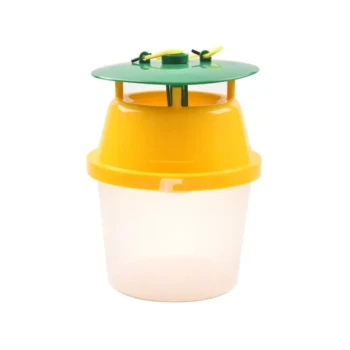
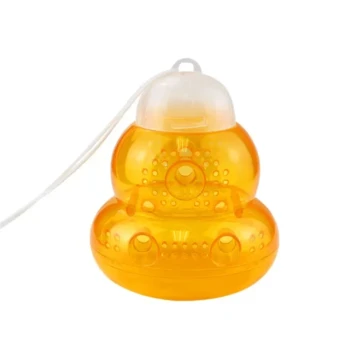
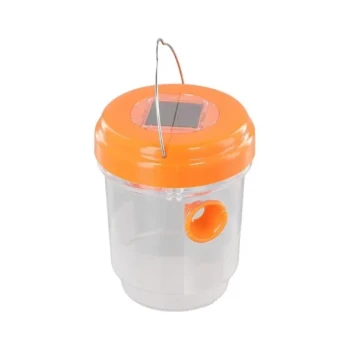
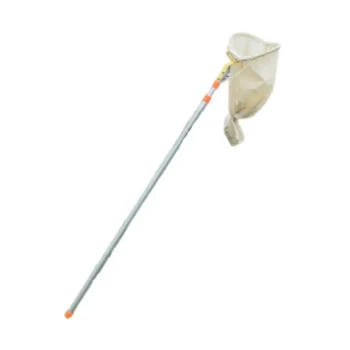
The primary functional importance of specialized pest control hardware is to serve as a physical interception barrier against aggressive predators. In regions with high predator density, specifically those populated by threats like the Oriental wasp (Vespa orientalis), these devices are essential for reducing the immediate physical pressure placed on the hive. By trapping attackers before they can breach the colony, this hardware provides a critical layer of defense that natural hive behaviors may not be able to sustain alone.
Core Takeaway Deploying efficient physical interception devices is not merely a precautionary measure; it is a vital mechanism for preventing the catastrophic collapse of colonies. These tools mitigate targeted attacks in high-density areas, ensuring colony survival where biological defenses would otherwise be overwhelmed.
The Mechanics of Colony Defense
Mitigating High-Density Threats
Predators such as the Oriental wasp do not attack randomly; they often engage in targeted, high-intensity assaults on apiaries.
In these scenarios, the sheer volume of predators can overwhelm the colony's guard bees.
Specialized hardware functions by physically removing a significant portion of these attackers from the environment surrounding the apiary.
Preventing Catastrophic Collapse
The ultimate goal of using these physical traps is to prevent the rapid depopulation of the hive.
When predation pressure is left unchecked, a colony can suffer irreversible damage in a short period.
By deploying these devices, beekeepers stabilize the apiary environment, allowing the colony to focus energy on foraging and brood rearing rather than constant defense.
Distinguishing Defense from Diagnosis
Predator Traps vs. Mortality Traps
It is critical to select the correct hardware for the specific functional goal.
While predator traps actively protect the colony by catching wasps, other "specialized bee traps" serve a strictly diagnostic function.
These diagnostic traps are designed to collect dead honeybees to measure mortality rates caused by pesticides or pathogens.
The Role of Field Data
Diagnostic traps prevent scavengers from removing dead bees, ensuring accurate data collection for research.
However, they do not offer physical protection against an active predator attack.
Beekeepers must not confuse these data-collection tools with the defensive hardware required for predator management.
Understanding the Trade-offs
Specificity is Required
Not all traps are effective against all predators.
Hardware must be specifically designed for the behavior and size of the target threat, such as the Oriental wasp.
Using generic or ill-fitted traps may result in a false sense of security while the colony remains vulnerable to specific attackers.
Management Overhead
Physical traps introduce an additional layer of maintenance to apiary management.
They are not self-sustaining; they require regular monitoring to ensure they have not become full or disabled.
Neglecting the maintenance of these devices renders them useless, immediately exposing the colony to renewed predation pressure.
Making the Right Choice for Your Goal
To select the appropriate hardware strategy, assess your immediate environmental risks.
- If your primary focus is Colony Survival: Prioritize physical interception traps designed specifically for local predators like the Oriental wasp to reduce active predation pressure.
- If your primary focus is Health Monitoring: Utilize specialized mortality traps to collect dead bees for objective data on pesticide exposure or pathogen impact.
Effective apiary management relies on the precise application of hardware to meet the specific biological threat at hand.
Summary Table:
| Hardware Type | Primary Function | Key Benefit | Target Threat |
|---|---|---|---|
| Predator Traps | Physical Interception | Prevents colony depopulation | Oriental wasps & hornets |
| Mortality Traps | Diagnostic Collection | Accurate health & pesticide data | Environmental toxins/pathogens |
| Physical Barriers | Hive Entrance Security | Reduces immediate hive pressure | Large aggressive predators |
| Monitoring Tools | Data Analysis | Informs long-term management | Trends in pest density |
Secure Your Apiary’s Future with HONESTBEE
Protecting your commercial honeybee colonies requires more than just biological management—it demands professional-grade defense. HONESTBEE provides commercial apiaries and distributors with the high-performance pest control hardware and specialized beekeeping machinery needed to withstand intense predator pressure.
From hive-making and honey-filling machines to essential industry consumables and specialized predator traps, we offer a comprehensive wholesale portfolio designed to enhance your operational efficiency and colony survival rates. Don't let your investment fall victim to preventable attacks.
Ready to scale your beekeeping operations with the industry's best tools? Contact our expert team today to discuss our full spectrum of wholesale beekeeping equipment and merchandise.
References
- Zeinab Ahmed, Ahmed A. Ibrahim. SOME FACTORS AFFECTING LOSSES OF HONEY BEE COLONIES IN ASSIUT GOVERNORATE (UPPER EGYPT).. DOI: 10.21608/aunj.2018.221321
This article is also based on technical information from HonestBee Knowledge Base .
Related Products
- Professional Bucket Style Wasp and Moth Pheromone Trap
- Plastic Beetle Blaster Trap Beekeeping Tools and Supplies
- Gourd Shaped Hanging Wasp Trap Professional Wasp Catcher
- Professional Multi-Component Bucket Wasp Trap
- Compact Multi-Funnel Hanging Wasp Trap
People Also Ask
- What is the function of Pheromone Traps in the biosecurity monitoring of apiaries? Precision Tools for Pest Control
- What role do Pheromone Traps play in the IPM for Large African Hive Beetles? Essential Surveillance & Control Tips
- How do professional wasp traps function? Master Physical Control of Oriental Hornets to Protect Your Apiary
- What are the practical advantages of using professional wasp traps and protective equipment in apiary management? Scale Up
- Why replace sugar syrup bait in wasp traps every three days? Ensure Maximum Attraction and Catch Rates