A "honeybound" condition describes a specific hive state where the worker bees fill the brood chamber so completely with honey that the queen has no empty cells left to lay eggs. This issue is significantly exacerbated by the use of a queen excluder, which acts as a physical ceiling, preventing the queen from moving upward into the supers to find new space for egg-laying.
The use of a queen excluder transforms hive space from a natural resource into a variable you must actively manage. Without intervention, an excluder can trap a queen in a saturated brood nest, halting colony growth.
The Mechanics of a Honeybound Hive
The Space Constraint
In a healthy hive, the queen requires continuous access to empty comb to maintain the colony's population. A honeybound situation occurs when the incoming nectar flow is strong, and the bees store it in the brood nest rather than moving it to the upper storage areas.
Once the available cells in the brood chamber are filled with capped honey, the queen's laying stops. This creates a bottleneck in population growth, which can impact the long-term viability of the colony.
The Impact of the Queen Excluder
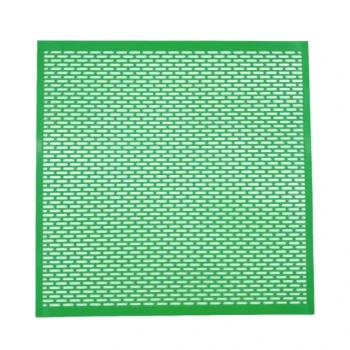
A queen excluder is a grid placed between the brood boxes and the honey supers. Its design allows smaller worker bees to pass through but restricts the larger queen to the lower levels.
While this tool effectively keeps the honey harvest free of brood, it removes the queen's ability to adapt. In a hive without an excluder, a queen running out of space might simply migrate upward. With an excluder, she is physically barred from expanding the brood nest, making the risk of becoming honeybound significantly higher.
Preventing the Condition: Active Management
Rotating Frames
To prevent a honeybound hive while using an excluder, the beekeeper must intervene manually. You cannot rely on the bees to reorganize the nest on their own.
The primary solution is frame rotation. You must identify combs in the brood chamber that are filled with honey and physically move them up into the honey supers.
Creating New Space
Simultaneously, you must replace those removed frames with empty ones (or foundation) in the brood chamber. This provides immediate "real estate" for the queen to resume laying eggs and gives worker bees space to draw new comb.
Understanding the Trade-offs
Complexity vs. Purity
Using an excluder introduces a layer of complexity to hive management. For new beekeepers, recognizing the signs of a honeybound hive requires experience, and the failure to rotate frames can stall the hive's progress.
However, for commercial operations or those prioritizing clean extraction, the excluder ensures honey frames are never contaminated with brood. This saves time during harvest, outweighing the management overhead.
Behavioral Barriers
It is also worth noting that some colonies are reluctant to cross the excluder barrier. This can lead to "false" honeybound symptoms, where bees store honey below simply because they refuse to work above the grid. While many beekeepers see increased organization with excluders, others report variations in yield due to this hesitation.
Making the Right Choice for Your Goal
Whether you use an excluder depends on your capacity for management and your harvest goals.
- If your primary focus is a pure, brood-free honey harvest: Use a queen excluder, but commit to a schedule of rotating full honey frames out of the brood nest to prevent congestion.
- If your primary focus is low-maintenance management: Consider operating without an excluder to allow the queen free range, accepting that you may have to sort through brood frames during extraction.
The queen excluder is a powerful tool for organization, provided you treat it as a part of a dynamic management system rather than a "set and forget" device.
Summary Table:
| Feature | Impact of Queen Excluder | Required Beekeeper Action |
|---|---|---|
| Brood Space | Restricted to lower boxes; cannot expand upward. | Manually rotate honey frames out of the brood nest. |
| Honey Storage | Bees may store nectar below the grid instead of in supers. | Insert empty frames/foundation into the brood chamber. |
| Queen Mobility | Queen is physically barred from finding new laying cells. | Monitor the brood nest weekly during strong nectar flows. |
| Harvest Quality | Keeps honey supers clean and free of brood. | None (Benefit of using an excluder). |
Maximize Your Honey Yield with HONESTBEE
Managing a honeybound hive requires the right tools and a strategic approach. At HONESTBEE, we specialize in supporting commercial apiaries and distributors with high-quality beekeeping essentials designed for efficiency. Whether you need precision-engineered queen excluders, advanced honey-filling machines, or durable hive-making equipment, our comprehensive wholesale portfolio has you covered.
From industrial machinery to essential consumables and honey-themed cultural merchandise, we provide the tools you need to grow your business and maintain healthy, productive colonies.
Ready to scale your beekeeping operation? Contact us today to explore our wholesale solutions!
Related Products
- High Performance Plastic Queen Excluder for Beekeeping and Apiary Management
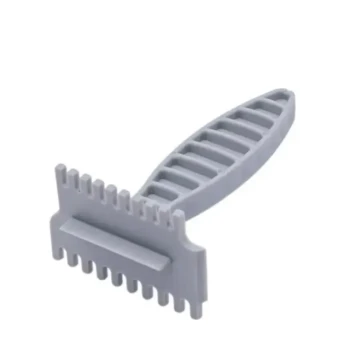
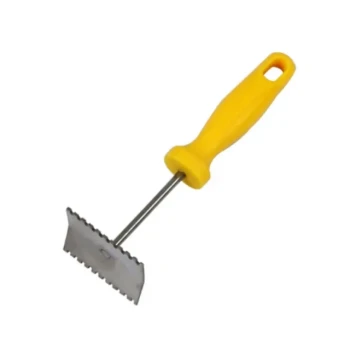
- Lightweight Durable Plastic Queen Excluder Scraper for Beekeeping
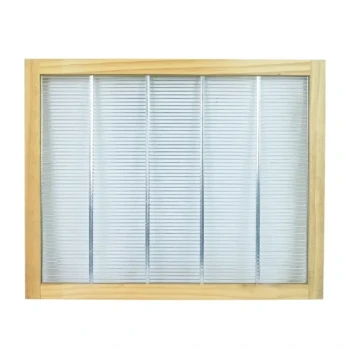
- Premium Wood Framed Metal Wire Queen Bee Excluder
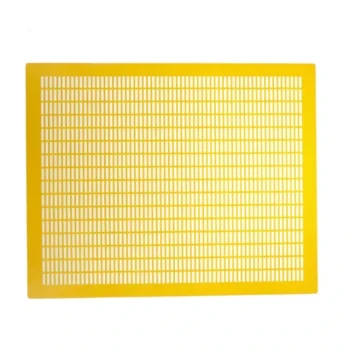
- Professional Plastic Queen Excluder for Modern Beekeeping
- Metal Queen Bee Excluder for Beekeeping
People Also Ask
- What are the characteristics of a plastic queen excluder? Key Benefits for Cost-Effective Beekeeping
- What are the operational and cost advantages of using plastic queen excluders over metal or wire excluders in commercial hive management? Discover how they reduce labor, prevent wing damage, and lower total costs.
- What types of queen excluders are available for beekeepers? Choose the Right Tool for Your Hive
- Why are standardized hive frames and queen excluders essential for maintaining honey purity and quality? Scale Your Purity
- Do plastic queen excluders work? A Cost-Effective Solution for Modern Apiaries