The ideal moisture content for honey falls between 16% and 18.5%. Keeping honey within this specific range is the single most important factor in determining its shelf life and usability. If the water content rises above this range, the honey becomes unstable and prone to spoilage; if it falls below it, the physical texture changes rapidly.
Core Takeaway Honey preservation is a balancing act between chemical stability and physical texture. The "Goldilocks zone" of 16% to 18.5% moisture ensures the honey is too dry for yeast to reproduce, yet moist enough to delay hardening.
The Risks of Excess Moisture (> 18.5%)
When honey contains too much water, it loses its ability to preserve itself. The primary consequence of exceeding the 18.5% threshold is fermentation.
The Mechanism of Spoilage
Honey naturally contains wild yeasts. In a low-moisture environment, these yeasts remain dormant because the sugar concentration is too high for them to function.
However, once moisture levels rise, the osmotic pressure drops. This allows the yeast to become active, consuming the sugars in the honey.
The Stages of Risk
While 18.5% is the general cutoff, the risk escalates progressively as moisture increases:
- At 17% or less: Fermentation generally will not occur. This is the safe zone for long-term storage.
- Between 18% and 19%: Fermentation is possible if the honey happens to have a high yeast count.
- Between 19% and 20%: Spoilage becomes likely regardless of yeast content.
- Above 20%: Rapid fermentation is inevitable. The yeast proliferates quickly, producing alcohol and carbon dioxide, which ruins the flavor and aroma of the honey.
The Consequences of Low Moisture (< 16%)
If moisture content is too low, the honey remains safe to eat, but its physical state changes. The primary consequence here is crystallization.
Accelerated Granulation
Honey is a supersaturated sugar solution. When the water content is very low, the ratio of glucose to water becomes unstable.
The glucose separates from the water and forms crystals. While this does not mean the honey has spoiled, it turns the liquid into a hard, gritty solid that is difficult to pour or spread.
Understanding the Trade-offs
It is vital to distinguish between safety and convenience.
Spoilage vs. Texture
High moisture leads to chemical spoilage (fermentation). This is irreversible and renders the honey unfit for consumption.
Low moisture leads to physical changes (crystallization). This is reversible—you can gently warm the honey to return it to a liquid state—and does not affect the safety or nutritional value of the product.
The "Safe" Bet
Because fermentation ruins the product, professional beekeepers prioritize lower moisture levels.
Ideally, they aim for the lower end of the spectrum (closer to 16-17%) to guarantee stability, accepting that the honey may eventually crystallize, rather than risking the higher end where fermentation could destroy the harvest.
Making the Right Choice for Your Goal
Whether you are a beekeeper harvesting honey or a consumer storing it, your target moisture level depends on your priorities.
- If your primary focus is indefinite storage: Aim for a moisture content near 16-17%, as this renders fermentation impossible.
- If your primary focus is liquid texture: A slightly higher content (up to 18.5%) will delay crystallization, but the honey should be consumed sooner to avoid spoilage risks.
Ultimately, keeping honey between 16% and 18.5% ensures it remains a stable, delicious food that resists both spoilage and immediate hardening.
Summary Table:
| Moisture Level | Risk Category | Primary Consequence | Recommendation |
|---|---|---|---|
| < 16% | Low Moisture | Rapid Crystallization | Safe for storage; may require gentle warming |
| 16% - 18.5% | Ideal Range | None (Stable) | The "Goldilocks Zone" for quality and shelf life |
| 18.6% - 20% | High Moisture | Yeast Fermentation | High risk of spoilage; requires dehydration |
| > 20% | Critical | Rapid Spoilage | Inevitable fermentation; unfit for long-term storage |
Maximize Your Honey Quality with HONESTBEE
Maintaining the perfect moisture balance is critical for commercial success. At HONESTBEE, we empower commercial apiaries and distributors with the professional-grade tools needed to ensure every batch meets industry standards.
From precision honey-filling machines that preserve product integrity to a full spectrum of beekeeping machinery and essential consumables, we provide the comprehensive wholesale solutions your business deserves. Whether you are scaling production or sourcing high-quality hardware for your distribution network, our expertise in beekeeping technology is your competitive advantage.
Ready to elevate your honey production? Contact HONESTBEE Today for Wholesale Solutions
Related Products
- High Quality Honey Dehumidifier Dryer Thickening Machine for Beekeeping
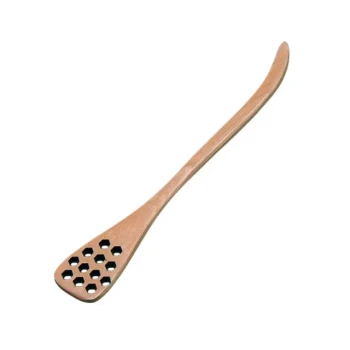
- Modern Honeycomb Pattern Wooden Honey Dipper for Stirring and Drizzling
- Economy Small Scale Honey Dryer Dehumidifier Thickening Machine
- Classic Honey Bear Jars with Flip Top Dispensing Cap for Liquid Sweeteners
- Inverted Squeezable Honey Jar with No Drip Flip Top Cap for Easy Pouring
People Also Ask
- Can you dehumidify honey? A Beekeeper's Guide to Preventing Fermentation
- How to dry up honey? The Safe Guide to Stabilizing Honey and Preventing Fermentation
- How can the moisture content of honey be reduced? A Guide to Safe, Effective Drying Methods
- How to remove humidity from honey? Protect Your Harvest from Fermentation
- What is the process for using a dehumidifier to lower honey's moisture content? Expert Drying Techniques