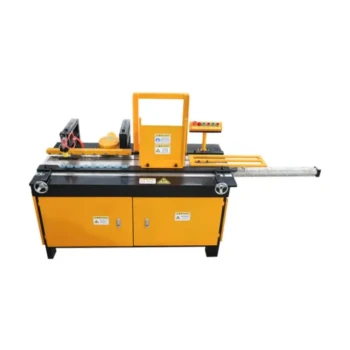
Beehive hardware quality and maintenance practices are the foundational determinants of economic efficiency within supplemental feeding models, directly influencing both fixed asset allocation and operational overhead. High-quality, durable equipment minimizes the frequency of costly repairs and replacements, while well-maintained, insulated hive structures reduce the biological energy demand on the bees, ensuring that supplemental feed is converted into colony growth rather than wasted on thermal regulation.
The economic viability of supplemental feeding relies on maximizing the lifespan of fixed assets and minimizing energy waste. Investing in standardized, corrosion-resistant hardware reduces long-term management costs per colony, creating a stable environment where feed inputs yield the highest possible return.
The Role of Hardware Durability in Cost Management
Reducing Fixed Asset Turnover
Beehive hardware serves as the primary platform for the supplemental feeding process. Its quality directly dictates the fixed asset allocation in your production costs.
Choosing corrosion-resistant and durable materials ensures that hives withstand environmental stress over time. This significantly minimizes the frequency of hardware repairs and replacements.
Lowering Management Costs Per Colony
When equipment fails less often, the amortized cost of that equipment per production cycle drops.
By extending the usable life of supporting machinery and hive bodies, beekeepers can lower the long-term capital strain on the operation. This improves overall profitability throughout repeated supplemental feeding cycles.
Biological Impact on Feed Efficiency
Insulation and Energy Conservation
The physical structure of the hive plays a critical role in how a colony utilizes supplemental feed.
Standardized hive structures, produced by precision machinery, offer superior insulation and ventilation capabilities. This structural integrity reduces the energy honeybees must expend to regulate nest temperature.
Redirecting Energy to Production
When bees spend less energy heating or cooling the hive, they consume less supplemental feed for mere survival.
Instead, the colony can dedicate that conserved energy to collecting pollen and nectar or rearing brood. This increases the biological return on investment for every liter of syrup or patty provided.
Operational Standardization and Labor
The Value of Precision Manufacturing
Precision machinery ensures that hive components, such as frames and bodies, have uniform dimensions.
This standardization creates component interchangeability, which is vital for large-scale operations. It prevents the operational bottlenecks caused by ill-fitting parts during feeding or inspection.
Enhancing Workflow Efficiency
Standardized equipment streamlines daily apiary operations, reducing the labor hours required per hive.
Furthermore, technical training on maintaining this equipment ensures that the entire production chain—from harvesting to storage—operates without interruption. This consistency is essential for meeting international quality standards.
Understanding the Trade-offs
Upfront Capital vs. Long-Term Savings
High-quality, precision-manufactured hives and advanced machinery command a higher initial purchase price compared to generic alternatives.
Beekeepers must analyze their cash flow to ensure the upfront capital expenditure does not cripple short-term liquidity. The return on investment is realized over years, not immediately.
Complexity of Maintenance
Advanced machinery and transport equipment, while enabling economies of scale and migratory beekeeping, require specialized maintenance knowledge.
Neglecting the technical training required to operate and repair modern harvesting or transport gear can lead to expensive breakdowns. This can negate the efficiency gains these tools were designed to provide.
Making the Right Choice for Your Goal
To maximize economic efficiency, align your hardware strategy with your operational scale:
- If your primary focus is Long-Term Profitability: Prioritize corrosion-resistant, well-insulated hardware to lower replacement costs and improve feed conversion rates over time.
- If your primary focus is Scaling Operations: Invest in precision-manufactured, standardized components to ensure interchangeability and reduce labor friction as you add more colonies.
- If your primary focus is Migratory Beekeeping: Focus on maintaining advanced transport infrastructure to enable rapid movement to seasonal blooms, maximizing the output of your feeding investment.
True economic efficiency in beekeeping is not found in the cheapest equipment, but in the durable assets that minimize waste and maximize the biological potential of the colony.
Summary Table:
| Factor | Economic Impact | Operational Benefit |
|---|---|---|
| Hardware Durability | Lowers fixed asset turnover & replacement costs | Reduces long-term capital strain per colony |
| Hive Insulation | Improves feed-to-biomass conversion rates | Decreases energy expenditure on thermal regulation |
| Standardization | Minimizes labor hours via interchangeability | Streamlines large-scale apiary workflows |
| Precision Machinery | Ensures component quality and longevity | Prevents bottlenecks during feeding and inspection |
Maximize Your Commercial Apiary’s Potential with HONESTBEE
At HONESTBEE, we understand that the right hardware is the backbone of a profitable beekeeping operation. As a premier provider for commercial apiaries and distributors, we offer a comprehensive wholesale range designed to enhance your economic efficiency. From precision hive-making and honey-filling machines to durable, standardized beekeeping tools and industry consumables, our equipment is engineered to reduce labor costs and maximize your return on investment.
Ready to upgrade your infrastructure with high-performance hardware? Contact us today to discover how our specialized machinery and wholesale solutions can streamline your production and boost your bottom line.
References
- Hakan ADANACIOĞLU, Erkan Topal. Economic Analysis of Honey Bee Colonies Fed with Different Pollen Diets before Wintering. DOI: 10.18615/anadolu.1173055
This article is also based on technical information from HonestBee Knowledge Base .
Related Products
- Beehive Handle and Frame Rest Cutting Machine: Your Specialized Hive Machine
- HONESTBEE Professional Long Handled Hive Tool with Precision Cutting Blade
- Steel Round Disc Entrance Reducer for Flexzion Bee Hive Nuc Box Gate
- Ergonomic Plastic Frame Spacer Tool for Rapid Hive Management Beekeeping
- Professional Bee Frame Machine for Side Bar Shaping
People Also Ask
- What is the importance of specialized beehive-making machinery? Ensure Precision for Sensor-Based Hive Monitoring
- How do bee hive handles facilitate the evaluation of food stores? Use the Lift Test for Winter Survival
- How do specialized beehive handling machines contribute to efficiency? Streamline Your Mobile Beekeeping Logistics
- How do professional beehive and frame manufacturing machines contribute to commercial apiary management? Boost Efficiency
- What are the standard dimensions for frame rests in a beehive? Essential Guide for Perfect Bee Space