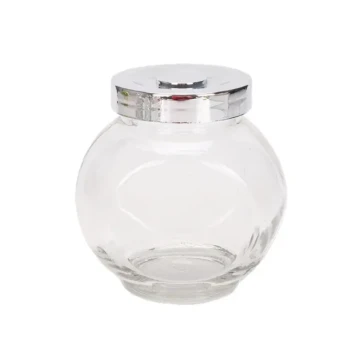
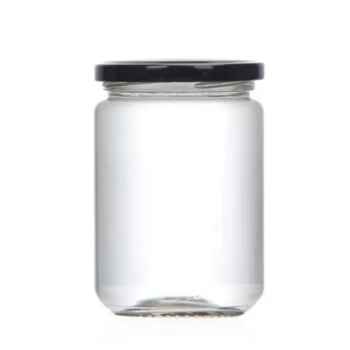
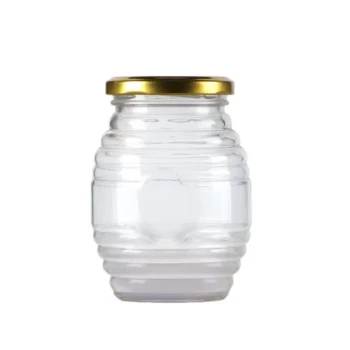
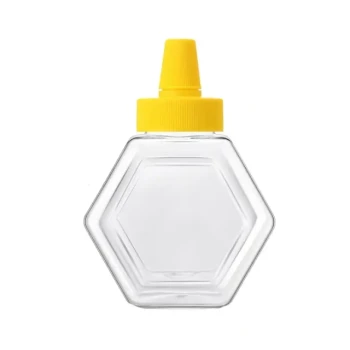
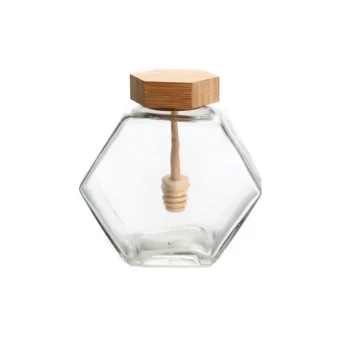
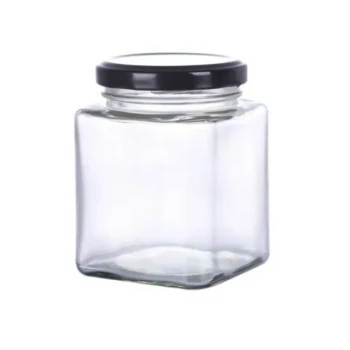
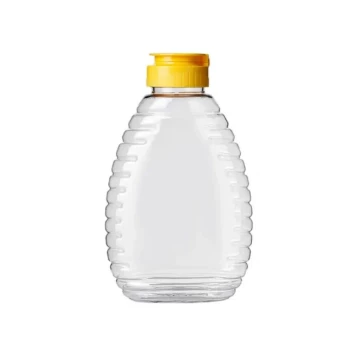
High-performance sealed packaging is the primary defense against honey spoilage and degradation. Because honey is highly hygroscopic, it naturally absorbs moisture from the surrounding air, which can rapidly lead to fermentation. Advanced sealing isolates the product from environmental humidity, external odors, and contaminants, ensuring the honey's stability, aroma, and flavor are preserved throughout storage and distribution.
Core Takeaway Honey’s chemical stability relies entirely on moisture control. High-performance packaging acts as a critical barrier against humidity and bacterial activity, preserving the product's original composition and safety profile while enabling long-distance transport and commercial viability.
The Critical Role of Moisture Control
Combatting Hygroscopicity
The most significant threat to honey quality is its hygroscopic nature—its tendency to attract and hold water molecules from the environment.
If honey absorbs too much atmospheric moisture, the yeast naturally present in the product becomes active. This triggers fermentation, effectively spoiling the honey and making it unfit for sale.
Stabilizing Chemical Composition
High-performance containers do more than just hold the liquid; they maintain the product's specific chemical balance.
By creating an airtight environment, these containers prevent the fluctuation of moisture levels that can accelerate excessive crystallization. This stability is essential for maintaining the honey’s original texture and viscosity over time.
Protection Against Contamination and Flavor Loss
Blocking External Odors
Honey is sensitive to environmental scents. Without a hermetic seal, strong odors from a warehouse or shipping container can penetrate the product.
Quality packaging materials act as a shield, locking in the honey's unique natural aroma while keeping foreign smells out. This ensures the flavor profile remains authentic even after long-distance transport.
The Physical Barrier
Beyond air and moisture, honey attracts pests, particularly ants.
Precision-fitted airtight lids serve as a mechanical barrier against biological contaminants. This sterility is crucial for meeting food safety standards and ensuring the product remains pure for subsequent physical and chemical analysis.
Preventing Chemical Migration
Honey possesses weak acidity, which can react with inferior packaging materials.
High-performance packaging utilizes food-grade materials—such as high-density glass or specialized plastics—that are chemically inert. This prevents harmful substances from the packaging itself from leaching into the honey, safeguarding consumer health.
Commercial Implications
Extending Shelf Life
The durability provided by high-quality packaging allows honey to survive the rigors of the supply chain.
By preventing oxidation and spoilage, producers can significantly extend the product's shelf life. This capability is a prerequisite for entering international export markets where transit times are long.
Enhancing Market Value
Standardized, high-quality packaging transforms honey from a raw agricultural product into a high-value commercial commodity.
Visual appeal and guaranteed safety allow producers to target high-end retail markets. Furthermore, varied bottle specifications (e.g., 250ml vs. 500ml) allow for market segmentation, catering to both tourists looking for trial sizes and long-term household consumers.
Understanding the Trade-offs
Material Weight vs. Protection
While glass offers superior inertness and premium appeal, it adds significant weight and fragility to distribution.
Producers must balance the superior barrier properties of glass against the durability and lower transport costs of food-grade plastics.
The "weak link" of the Seal
The container body is only as good as its lid. Even the most expensive jar is useless if the lid interface is not precision-engineered.
Investing in high-performance jars requires an equal investment in closure technology. A mismatch here negates the moisture barrier, leading to the very fermentation issues the packaging was meant to solve.
Making the Right Choice for Your Goal
Selecting the right packaging strategy depends on your specific market objectives.
- If your primary focus is Long-Term Storage or Export: Prioritize high-density glass or rigid food-grade plastics with hermetic seals to maximize shelf life and prevent moisture-induced fermentation during transit.
- If your primary focus is Brand Image and Premium Pricing: Utilize standardized, high-quality packaging materials that enhance visual appeal to justify higher price points in urban or luxury retail markets.
- If your primary focus is Market Penetration: Leverage varied container sizes (such as 250ml for trial/tourism) to optimize pricing strategies and address diverse consumer segments.
Ultimately, high-performance packaging is not merely a container, but an active component of the product's quality assurance system.
Summary Table:
| Key Feature | Benefit for Honey Products | Impact on Distribution |
|---|---|---|
| Hygroscopic Barrier | Prevents moisture absorption and fermentation | Ensures stability during long-term storage |
| Hermetic Seal | Blocks external odors and biological contaminants | Maintains purity across diverse transport environments |
| Chemically Inert Materials | Prevents chemical migration and leaching | Guarantees food safety and consumer health |
| Airtight Closures | Maintains texture and slows crystallization | Reduces product loss and maximizes shelf life |
| Standardized Sizing | Enables market segmentation (e.g., 250ml vs 500ml) | Enhances retail appeal and export potential |
Elevate Your Honey Quality with HONESTBEE Packaging Solutions
At HONESTBEE, we understand that high-performance packaging is the cornerstone of a successful beekeeping business. As a premier partner for commercial apiaries and distributors, we provide more than just containers—we provide a comprehensive quality assurance system.
Our extensive portfolio features everything from food-grade, high-density glass and plastic containers to precision-engineered honey-filling machines and specialized hardware. Whether you are looking to scale your production with advanced machinery or protect your harvest with premium wholesale consumables, HONESTBEE delivers the tools you need to maximize market value and ensure product safety.
Ready to secure your supply chain and boost your brand's commercial appeal?
Contact HONESTBEE Today for a Wholesale Consultation
References
- Walter Amuko, Walter Odongo. The relationship between market information and entrepreneurial orientation: the case of smallholder honey producers in Northern Uganda. DOI: 10.1186/s40100-023-00249-8
This article is also based on technical information from HonestBee Knowledge Base .
Related Products
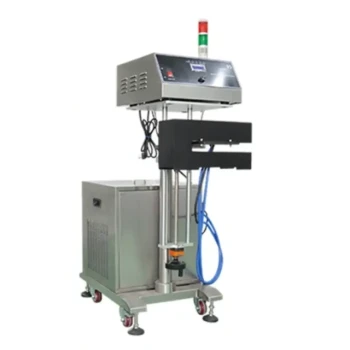
- Professional Water Cooled Induction Sealing Machine for Bottles and Containers
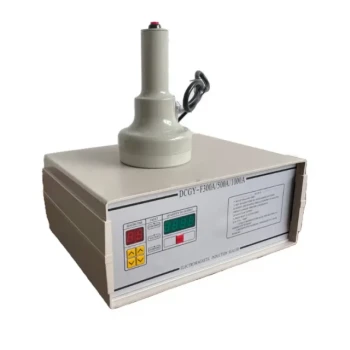
- Handheld Induction Sealing Machine for Tamper Evident Packaging
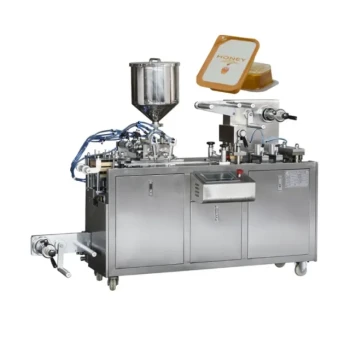
- Professional Durable Customizable Blister Packing Machine
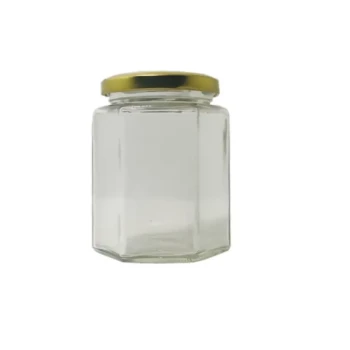
- Hexagonal Glass Honey Jars with Metal Lug Caps Elegant Versatile Packaging
- Plastic Transporting Bee Packages and Nuc Boxes for Beekeeping
People Also Ask
- How does tamper-evident sealing equipment benefit the honey trade? Ensure Product Integrity and Market Trust
- What is the function of an induction sealing machine in packaging? Secure Your Brand with Tamper-Evident Seals
- How does an induction sealing machine work? Enhance Honey Packaging with Hermetic Seals & Tamper Evidence
- What is an induction sealing machine and how does it work? Achieve Airtight, Tamper-Evident Seals
- How does the induction sealing process work? Create Tamper-Evident, Airtight Seals for Your Products