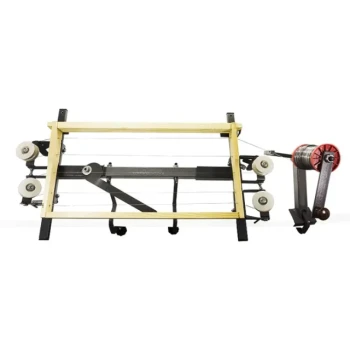
Standardization is the technical prerequisite for scalable beekeeping. Implementing uniform dimensions for hive frames, such as Langstroth specifications, ensures that all equipment components are fully interchangeable across various apiaries and processing machinery. This consistency is critical for large-scale development, as it facilitates mechanized production and intensive management while significantly reducing the operational cost of essential consumables.
By establishing a predictable hardware baseline, standardized frames transform beekeeping from a disjointed manual craft into a streamlined, industrial-compatible process. This interoperability is the key to maximizing efficiency, lowering costs, and ensuring consistent colony management.
The Operational Foundation of Modern Beekeeping
Interchangeability is Critical
The primary value of standardized dimensions is the ability to move components freely between hives. When dimensions are uniform, a beekeeper can take a frame of honey or brood from a strong colony and place it into a weaker one without physical modification. This universal compatibility is essential for balancing resources across an apiary.
Enabling Mechanized Production
Large-scale development relies on automation to remain viable. Standardized frames allow for the use of industrial processing equipment, such as uncapping machines and honey extractors, which require precise, predictable dimensions to function. Without this standardization, the mechanization of honey harvest and hive maintenance becomes impossible.
Cost Reduction
Adhering to a standard specification directly impacts the bottom line. Mass production of uniform consumables lowers manufacturing costs, making essential equipment more affordable. It eliminates the need for expensive custom fabrication for every new hive body or replacement frame.
Optimizing Colony Health and Productivity
Creating a Controlled Biological Environment
Standardized equipment does more than fit together; it supports the biological requirements of the bee. By maintaining precise "bee space" within the hive, standardized frames reduce the risk of disease transmission and provide a stable environment. This structural consistency acts as a foundational guarantee for colony survival and health.
Maximizing Honey Yields
Modern standardized hives typically feature nine or more frames, maximizing the biological capacity of the colony. This extensive space allows bees to capitalize on peak bloom periods for nectar collection. The result is a direct increase in honey yields per hive due to optimized storage capacity.
Facilitating Non-Destructive Management
The design of standardized wooden hive bodies and frames allows for regular inspections without harming the colony. Technicians can remove and inspect frames to check queen activity and larval development without destroying the colony’s structural integrity. This capability is the basis for modern apicultural management.
Supporting Migratory Beekeeping
For operations that follow nectar flows, standardized brood frames are vital. They ensure universal compatibility as colonies are moved between different geographical locations. This allows beekeepers to rapidly swap frames to adjust to changes in colony strength during transport, ensuring high overwintering rates and rapid spring buildup.
Understanding the Trade-offs
The Necessity of Precision
Standardization is only effective if the manufacturing is precise. Industrial-grade hive-making machines are often required to ensure high-precision cutting and assembly. If "standard" components vary even slightly due to poor manufacturing, the internal bee space is compromised, leading to burr comb and management inefficiencies.
Species-Specific Adaptation
While standardization is powerful, it must be adapted to the bee species. For example, the physical structure of a standard frame may need customization to match the specific habits of the Italian bee versus the Oriental honey bee. Applying a "one-size-fits-all" standard without regarding the specific biology of the bee species can lead to suboptimal results.
Making the Right Choice for Your Goals
To leverage the full benefits of standardization, align your equipment choices with your specific operational focus:
- If your primary focus is large-scale commercial production: Strictly adhere to Langstroth specifications to ensure full compatibility with automated extracting machinery and interchangeable hive components.
- If your primary focus is colony health and biology: Prioritize high-precision manufacturing to ensure internal dimensions strictly honor "bee space," minimizing stress and disease vectors.
- If your primary focus is migratory beekeeping: Invest in standardized brood frames that allow for rapid resource balancing and frame swapping as you move between nectar flows.
Ultimately, standardized frames provide the structural consistency required to turn unpredictable biological processes into a manageable, high-yield operation.
Summary Table:
| Benefit Category | Key Advantage | Impact on Operation |
|---|---|---|
| Scalability | Universal Interchangeability | Allows resource balancing between colonies and seamless component swaps. |
| Efficiency | Mechanization Ready | Enables use of automatic uncapping machines and industrial honey extractors. |
| Economic | Cost Reduction | Lowers expense of consumables through mass production and uniform specifications. |
| Biological | Precise 'Bee Space' | Maintains colony health, reduces burr comb, and supports non-destructive inspections. |
| Logistics | Migratory Support | Simplifies colony management during transport across different nectar flows. |
Maximize Your Apiary’s Potential with HONESTBEE
Standardization is the backbone of a profitable beekeeping enterprise. At HONESTBEE, we specialize in empowering commercial apiaries and distributors with high-precision beekeeping tools and industrial machinery. Whether you need hive-making machines to ensure perfect dimensions, honey-filling lines for automated processing, or a reliable supply of wholesale beekeeping consumables, we provide the full spectrum of equipment to streamline your operations.
Ready to transition from manual craft to industrial efficiency? Contact us today to discover how our comprehensive portfolio and expert solutions can lower your costs and skyrocket your honey yields.
References
- Zlatko Puškadija, Marin Kovačić. Beekeeping in Croatia: Innovations & challenges for more than 135 years. DOI: 10.1080/0005772x.2016.1156245
This article is also based on technical information from HonestBee Knowledge Base .
Related Products
- Wooden Bee Hive Frames for Beekeeping and Wholesale
- Plastic Bee Frame Beekeeping Hive Frames for Wholesale
- Heavy-Duty Stainless Steel Clip-On Frame Perch
- Ergonomic High Visibility Plastic Frame Grip Handles
- Precision Stainless Steel Frame Cleaner for Hive Grooves and Corners
People Also Ask
- How do wooden and plastic hive frames compare in terms of durability? Wood vs. Plastic Longevity & Repairability
- How does balancing the number of frames impact hive productivity? Optimize Your Apiary's Biological Output
- What are the main considerations when choosing between wooden and plastic bee hive frames? Optimize Your Apiary's Efficiency
- How should beehive frames be maintained to prolong their lifespan? 5 Pro Tips for Durable Beekeeping Equipment
- What are frames and combs used for in beekeeping? The Foundation of Modern Hive Management