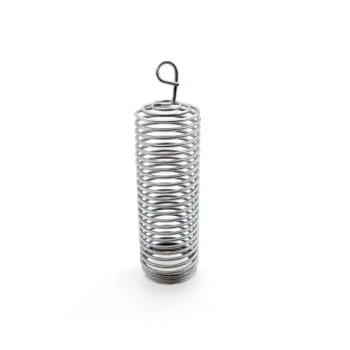
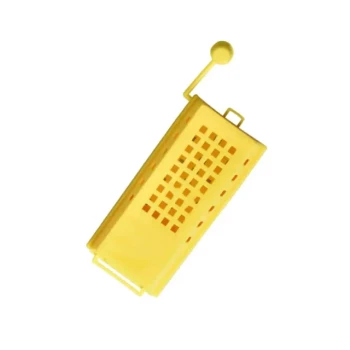
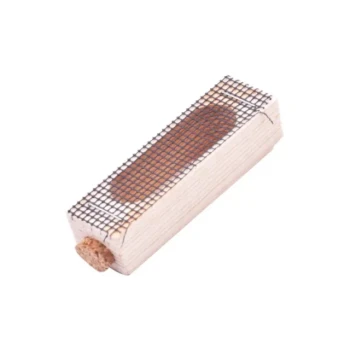
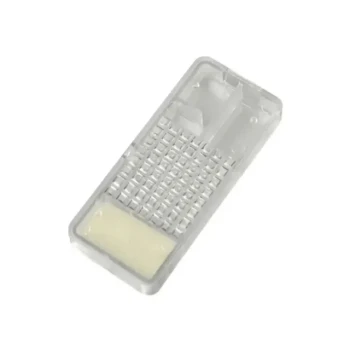
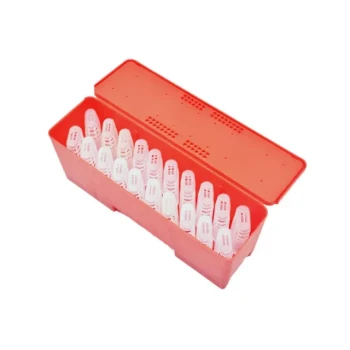
The mechanism functions by creating an artificial brood break. By confining the queen to stop egg production and removing existing sealed brood, you eliminate the essential host required for Tropilaelaps clareae to survive and reproduce. Because this specific mite is obligate—meaning it relies entirely on developing larvae—removing the brood effectively starves the mite population and halts its lifecycle.
Core Takeaway Tropilaelaps clareae mites are biologically incapable of sustaining themselves without access to developing bee larvae. By using a queen cage and removing sealed brood, you physically interrupt the parasite's reproductive cycle, forcing a rapid decline in infestation rates without the primary use of chemical treatments.
The Biological Vulnerability
To understand why this mechanical intervention works, you must first understand the mite's critical weakness.
Absolute Dependency on Larvae
The Tropilaelaps mite is highly dependent on honey bee larvae for its development. Unlike other parasites that may survive longer periods on adult bees, this mite requires the brood to feed and reproduce.
The Reproductive Chain
The mite’s lifecycle is synchronized with the bee's development. If the chain of developing larvae is broken, the mites currently on adult bees have nowhere to reproduce, and those inside the brood cells are removed manually.
The Two-Step Mechanical Intervention
This control method combines two distinct physical actions to attack the mite on two fronts.
Step 1: Restricting the Queen
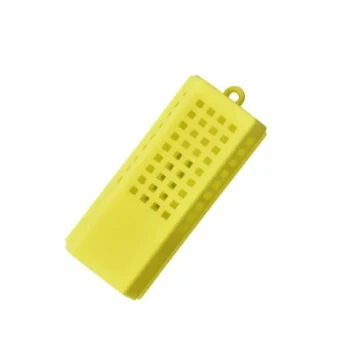
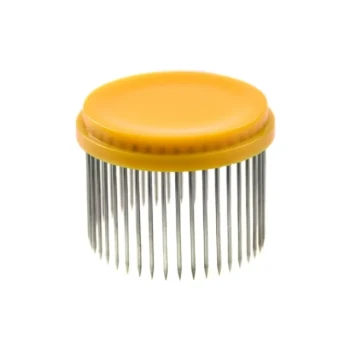
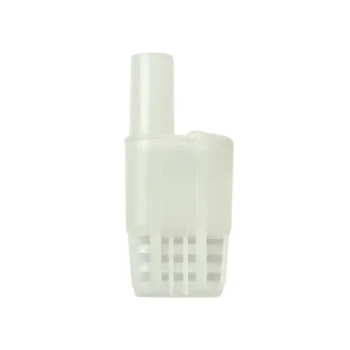
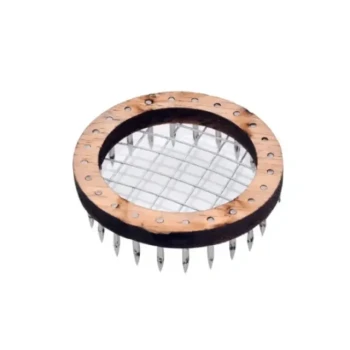
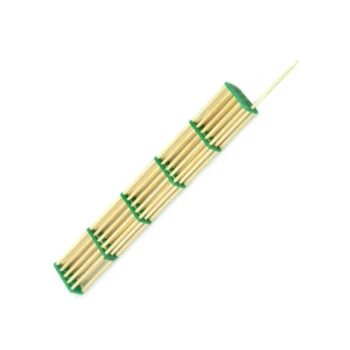
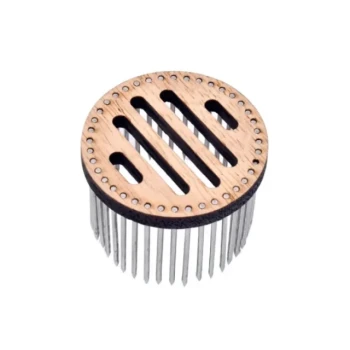
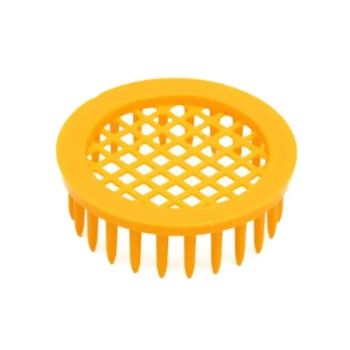
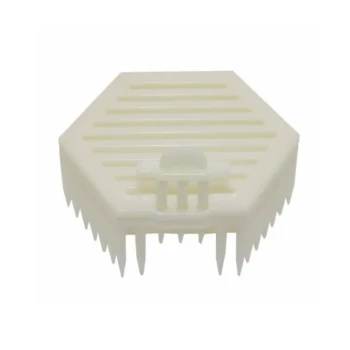
Beekeepers use specialized queen cages to confine the queen. This restriction prevents her from laying new eggs.
Without new eggs, there are no new larvae developing. This creates a future "gap" in the food supply, ensuring that once the current brood emerges or is removed, the mites will have no new hosts to infect.
Step 2: Removal of Sealed Brood
While caging the queen stops future hosts, the colony still contains currently infected cells. The second step involves the targeted removal of infected larvae cells (sealed brood).
This manual removal physically extracts the reproducing mites trapped inside the capped cells. It immediately lowers the mite load and prevents the next generation of mites from emerging.
Understanding the Trade-offs
While effective, this method requires careful consideration of the costs involved.
Labor Intensity
This is a manual, physical intervention. Unlike applying a chemical strip, it requires finding the queen, installing the cage, and physically cutting out or removing brood frames. It is labor-intensive compared to chemical alternatives.
Impact on Colony Growth
By restricting egg-laying and destroying brood, you are intentionally pausing the colony's population growth. This is a strategic setback designed to save the colony from infestation, but it creates a temporary delay in the workforce buildup.
Making the Right Choice for Your Goal
This method is a powerful tool for Integrated Pest Management (IPM), but it must align with your management philosophy.
- If your primary focus is Chemical-Free Beekeeping: This method provides a highly effective physical control barrier that reduces or eliminates the need for synthetic miticides.
- If your primary focus is severe infestation control: This serves as an immediate "circuit breaker" to stop runaway mite reproduction when mite loads are critically high.
By mastering this biological interruption, you gain control over the colony's health through biology rather than chemistry.
Summary Table:
| Mechanism Component | Action Taken | Biological Impact on Mites |
|---|---|---|
| Queen Caging | Restricts egg-laying | Eliminates future hosts & food supply |
| Brood Removal | Extracts sealed brood | Physically removes reproducing mite population |
| Brood Break | Artificial pause in larvae | Starves adult mites due to obligate dependency |
| IPM Goal | Mechanical intervention | Rapid reduction in infestation without chemicals |
Secure Your Apiary’s Health with HONESTBEE Solutions
Managing Tropilaelaps clareae requires precision tools and a strategic approach. At HONESTBEE, we specialize in supporting commercial apiaries and distributors by providing the high-quality equipment needed for effective Integrated Pest Management (IPM). From specialized queen cages and hive-making machinery to advanced honey-processing equipment, our comprehensive wholesale offering is designed to enhance your operational efficiency.
Whether you are looking to scale your distribution or optimize your honey production, our expert team is ready to supply you with the full spectrum of beekeeping hardware and essential industry consumables. Contact us today to discuss your wholesale needs and discover how our specialized tools can help you achieve a chemical-free, healthy, and high-yielding apiary.
References
- Özgür Selçuk, Levent Aydın. Balarılarında Bulunan Diğer Zararlı Artropodlar Bölüm 2: Akarlar Ve Araknidalar. DOI: 10.31467/uluaricilik.162300
This article is also based on technical information from HonestBee Knowledge Base .
Related Products
- Durable Galvanized Steel Spring Queen Bee Cage
- Professional Queen Cage with Sliding Gate and Feeder Plug
- Classic Wooden and Mesh California Queen Cage
- Professional Queen Bee Introduction and Transport Cage
- Professional Multi-Functional Queen Bee Cage
People Also Ask
- Why are specialized queen bee cages used for the banking of mated queen bees? Maximize Commercial Apiary Storage Efficiency
- What is the mechanism of action for using temporary queen bee cages? Master Successful Queen Introduction
- What is the step-by-step process for installing a queen bee's cage onto a frame? Ensure Hive Acceptance Safely
- What is the optimal placement for a queen bee cage? Essential Strategies for Successful Re-queening
- What are the advantages and disadvantages of introducing a queen bee by embedding the cage? Boost Your Queen Acceptance