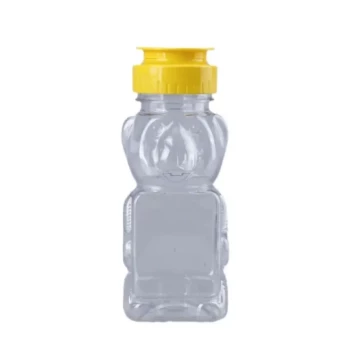
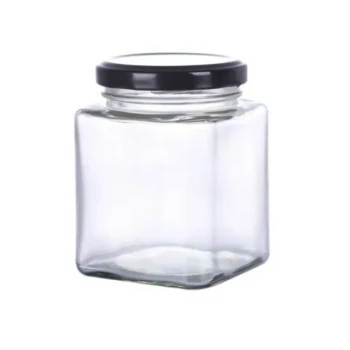
The necessity of using sealed plastic bottles and low-temperature equipment for stingless bee honey stems directly from its unique chemical composition, specifically its high water content. Unlike standard honey, stingless bee honey is naturally hygroscopic and prone to rapid fermentation; strict storage protocols are required to isolate the product from atmospheric moisture and inhibit microbial spoilage while preserving its medicinal value.
Core Takeaway Stingless bee honey possesses a naturally high moisture content that makes it chemically unstable and highly susceptible to fermentation. The combination of sealed plastic bottles (to create a physical moisture barrier) and low-temperature refrigeration (to physiologically halt microbial activity) is the only reliable method to extend shelf life and preserve delicate bioactive enzymes.
The Unique Vulnerability of Stingless Bee Honey
The High Moisture Risk
Stingless bee honey is biologically distinct from the honey produced by Apis mellifera (common honeybees). It naturally contains significantly higher moisture levels.
This excess water creates an environment where natural yeasts can thrive. Without intervention, this leads to rapid fermentation, causing the honey to sour, foam, and eventually spoil.
Susceptibility to Hygroscopy
Beyond its existing water content, this honey is hygroscopic, meaning it actively absorbs moisture from the surrounding air.
If left exposed or poorly sealed, the honey will pull in additional water vapor, accelerating the spoilage process and degrading its commercial quality.
The Role of Sealed Plastic Packaging
Establishing an Hermetic Barrier
The primary function of sealed plastic bottles is to isolate the honey from the environment.
By creating an airtight seal, the packaging prevents the ingress of external air and moisture. This effectively cuts off the hygroscopic process, stabilizing the liquid's water content.
Preventing Contamination
High-quality, sterile plastic bottles serve as a critical defense against external impurities.
They block physical contaminants and bacteria from entering the product. This removes the need for chemical preservatives, allowing the honey to maintain its status as a natural, high-value health supplement.
The Function of Low-Temperature Equipment
Inhibiting Microbial Activity
Physical sealing is not enough; temperature control is the physiological "pause button."
Industrial refrigeration, specifically maintaining a consistent 4°C environment, is necessary to suppress the reproduction of natural yeasts. This low temperature effectively halts the fermentation process that would otherwise occur even in a sealed bottle.
Preserving Bioactive Stability
Stingless bee honey is prized for its medicinal properties, including antioxidants and enzymes like diastase.
Heat causes these delicate compounds to degrade rapidly. Low-temperature storage acts as a stasis field, maintaining the chemical stability of these nutritional components and ensuring the flavor profile remains consistent during distribution.
Understanding the Trade-offs
Plastic vs. Glass Considerations
While the primary recommendation involves sealed plastic bottles for their sealing capabilities and durability, it is important to acknowledge material limitations.
Plastic is effective for moisture isolation, but some supplementary data suggests amber glass offers superior protection against UV radiation and chemical migration (plasticizers). When using plastic, it is vital to ensure the material is high-grade and food-safe to avoid leaching, even though it may not offer the same UV protection as amber glass.
Processing vs. Raw Preservation
Using vacuum low-temperature concentration equipment can mechanically reduce moisture to stabilize the honey.
However, this must be done with extreme precision. Over-processing can damage sensitive enzymes. The goal of using low-temperature equipment is to reduce moisture without cooking the nutrients, a delicate balance that defines the final product's market value.
Making the Right Choice for Your Goal
To maximize the value of stingless bee honey, apply these storage principles based on your specific objectives:
- If your primary focus is Extended Shelf Life: Prioritize the integrity of the seal on plastic bottles combined with unbroken cold chain management (4°C) to prevent fermentation.
- If your primary focus is Medicinal Potency: Ensure the refrigeration equipment fluctuates as little as possible to prevent thermal shock from degrading sensitive enzymes and antioxidants.
Ultimately, the dual approach of airtight isolation and thermal suppression is not optional but a mandatory requirement for bringing high-quality stingless bee honey to market.
Summary Table:
| Storage Factor | Storage Requirement | Primary Purpose |
|---|---|---|
| Packaging Material | High-grade, food-safe sealed plastic | Creates an airtight moisture barrier and prevents contamination |
| Temperature | Low-temperature refrigeration (approx. 4°C) | Halts yeast fermentation and protects heat-sensitive enzymes |
| Environment | Hermetically sealed/Airtight | Stops hygroscopic absorption of atmospheric water vapor |
| Protection Goal | Cold Chain Management | Maintains bioactive stability, antioxidants, and flavor profile |
Maximize Your Honey Quality with HONESTBEE
Preserving the delicate properties of stingless bee honey requires precision-engineered solutions. HONESTBEE empowers commercial apiaries and global distributors with a comprehensive range of professional beekeeping tools, specialized honey-filling machinery, and high-quality storage consumables designed to maintain product integrity.
Whether you need industrial-grade equipment to stabilize moisture or specialized packaging to secure your harvest, our wholesale offerings are tailored to enhance your production efficiency and market value. Partner with HONESTBEE today to optimize your storage infrastructure and bring the highest quality honey products to your customers.
References
- Eni Suhesti, Sri Utami Lestari. Pelatihan Budidaya Lebah Kelulut (Heterotrigona itama) Bagi DKM Masjid Ash-Shiddiq Rumbai Pekanbaru. DOI: 10.31849/dinamisia.v7i5.15937
This article is also based on technical information from HonestBee Knowledge Base .
Related Products
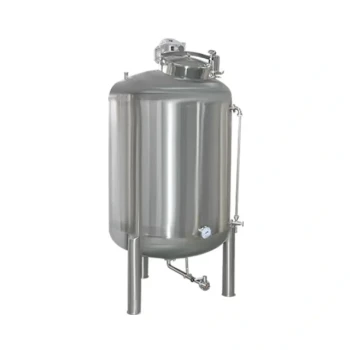
- Stainless Steel Honey Storage and Settling Tank with Double Strainer
- Stainless Steel Honey Tank Stand for Honey Storage
- Stainless Steel Honey Storage Tank with Lid for Honey
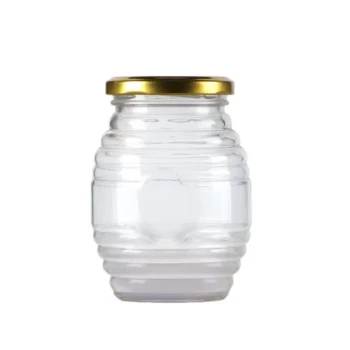
- Classic Glass Honey Jar with Metal Lug Cap for Beehive Storage
- Professional Honey Storage Tank with Agitation System
People Also Ask
- What economic role do honey storage tanks play? Boost Your Revenue Through Strategic Inventory Management
- What roles do industrial honey storage tanks and filtration meshes play in processing? Ensure Purity & Consistency
- What is the purpose of a honey storage tank? Streamline Your Honey Processing for Quality & Efficiency
- What role do settling tanks play in honey production? Achieve Pure, High-Clarity Honey Naturally
- Why are large settling tanks used in the honey clarification process? Achieve Natural Purity & Batch Consistency