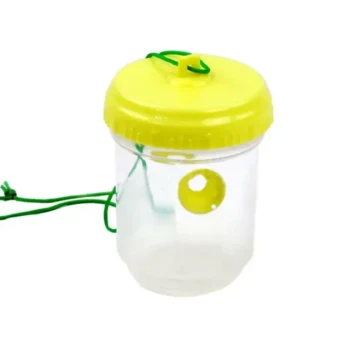
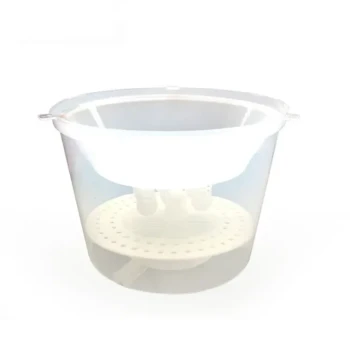
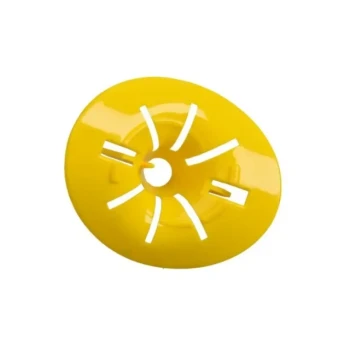
Pollen traps function through a precise physical barrier mechanism installed at the hive entrance. As foraging bees return to the colony, they are forced to navigate through a grid of specific-sized mesh or star-shaped holes. These apertures are large enough to permit the bee to pass but too narrow to accommodate the pollen pellets attached to their hind legs, mechanically scraping the pellets off so they fall into a protected collection tray below.
The pollen trap is more than a harvesting device; it is a passive data collection tool that automates the sampling of environmental resources. By intercepting a calculated portion of incoming pollen, beekeepers and researchers can quantify colony foraging intensity and evaluate local floral diversity without active interference.
The Mechanics of Interception
The Physical Barrier Principle
The core operational principle of any pollen trap is the "stripping grid." This component creates a bottleneck that forces the bee to squeeze through an opening that is calibrated to the bee’s body size.
Mechanical Separation
As the bee pushes through the mesh or plastic star-shaped holes, the physical walls of the aperture catch the pollen pellets carried on the corbiculae (pollen baskets) of the hind legs. The friction dislodges the pellets, causing them to drop through a secondary screen into a drawer, inaccessible to the bees.
Calibration for Survival
These devices are generally designed to intercept approximately 50% of the pollen load. This ensures that while a significant sample is collected for analysis or commerce, the colony retains enough protein to sustain brood rearing and general development.
Applications in Monitoring and Research
Quantifying Foraging Intensity
By measuring the volume or weight of pollen collected over a set period, operators can gauge the colony's foraging strength. This provides a direct metric of how actively the colony is exploiting available resources.
Floral Resource Evaluation
The collected pellets serve as raw data for palynological (pollen) analysis. Researchers can identify specific plant sources within the pellets to map the richness of surrounding flora and understand the dietary structure of the colony.
Environmental Safety Monitoring
Traps provide an efficient method for gathering mixed pollen samples to screen for contaminants. Chemical analysis of the trapped pollen allows for the detection of pesticide residues, offering insight into environmental exposure risks in the foraging area.
Understanding the Trade-offs
Nutritional Balance
While traps are designed to allow some pollen through, prolonged use can still impact the colony's protein reserves. If the hive is in a growth phase or if external resources are scarce, the trap can artificially create a nutritional deficit.
Physical Obstruction
The grid mechanism inevitably slows down the entry of foragers. In high-traffic periods, this can create congestion at the hive entrance, potentially altering normal flight activity or causing minor physical stress to the bees.
Deploying Pollen Traps Effectively
To utilize pollen traps for either production or data collection, you must align the usage duration with your specific objective.
- If your primary focus is Commercial Production: Implement a rotation schedule where traps are engaged for short intervals and then removed, allowing the colony time to replenish its own protein stores.
- If your primary focus is Environmental Monitoring: Collect samples at regular, standardized intervals to ensure your data on floral diversity and pesticide exposure accurately reflects seasonal changes.
- If your primary focus is Nutritional Studies: Use the trap to strictly limit natural pollen intake, creating a controlled environment to test the efficacy of artificial protein supplements on brood development.
By treating the pollen trap as a precision sampling instrument rather than just a harvest tool, you gain a clear window into both the health of the hive and the status of the surrounding ecosystem.
Summary Table:
| Feature | Mechanism/Function | Purpose |
|---|---|---|
| Stripping Grid | Calibrated mesh or star-shaped apertures | Mechanically dislodges pollen pellets from bee legs |
| Collection Tray | Secondary screen-protected drawer | Stores harvested pollen safely away from bees |
| Calibration | Intercepts approx. 50% of incoming pollen | Balances human collection with colony nutritional needs |
| Data Application | Quantitative and palynological analysis | Monitors foraging strength, floral diversity, and pesticides |
Maximize Your Apiary Productivity with HONESTBEE
At HONESTBEE, we specialize in empowering commercial apiaries and distributors with high-performance beekeeping solutions. Whether you need precision pollen traps, advanced hive-making machinery, or professional honey-filling equipment, our comprehensive wholesale portfolio has you covered.
Why partner with us?
- Full Spectrum Supply: From specialized hardware to essential industry consumables.
- Commercial Grade Quality: Durable tools designed for high-intensity commercial use.
- Global Distribution: Tailored support for distributors and large-scale operations.
Ready to upgrade your equipment or stock the industry's best beekeeping supplies? Contact us today to explore our wholesale offerings and see how we can help your business thrive!
References
- Gomaa Abolaban. Effect of Two Hive Height Levels on some Honeybee Activities and Hornet Attacking under Nasr City, Conditions, Cairo, Egypt.. DOI: 10.21608/jppp.2018.41672
This article is also based on technical information from HonestBee Knowledge Base .
Related Products
- Removable Plastic Pollen Trap With Ventilated Tray for Bees Pollen Collector
- 30 cm Plastic Entrance Hole Bee Pollen Trap and Collector
- Plastic Bee Pollen Trap Strips Comb Catcher Collector
- High-Efficiency Diamond Maze Bee Escape for Clearing Supers
- Professional Bucket Style Wasp and Moth Pheromone Trap
People Also Ask
- What are the design principles and advantages of pollen traps in the collection of bee pollen? Boost Your Apiary Yield
- What is the function of professional pollen traps in evaluating honey plants? Quantifying Pollination and Crop Potential
- What functions do pollen traps serve for bee bread production? Optimize Your Raw Material Collection
- What maintenance and pest prevention measures should be taken for pollen traps? Protect Your Hive and Harvest Quality
- How does the use of pollen traps in honeybee hives enhance crop fertilization? Boost Your Yield Through Induced Activity