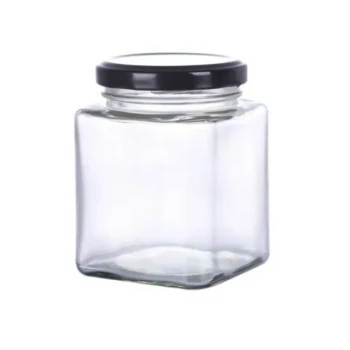
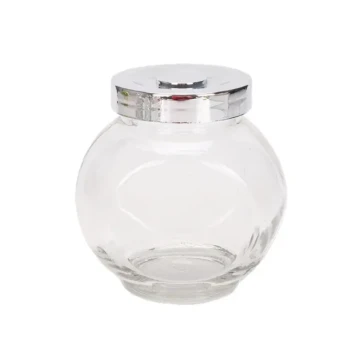
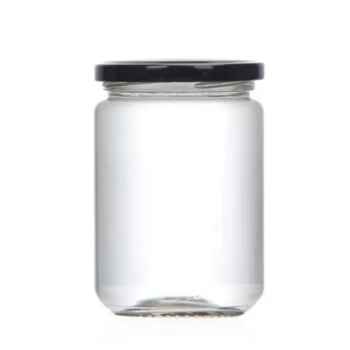
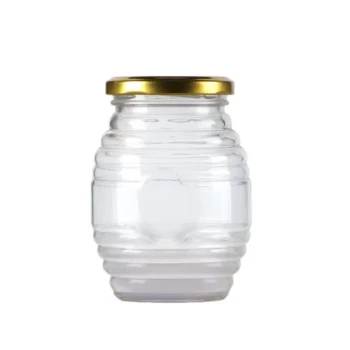
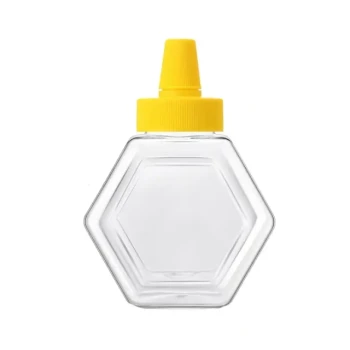
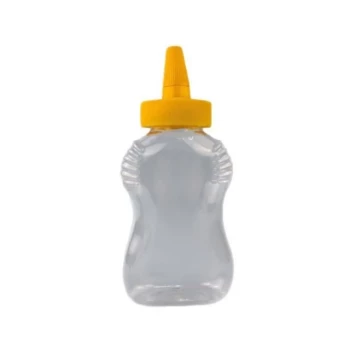
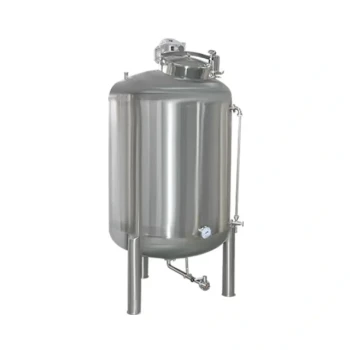
The primary practical significance of specialized containers with transparent side walls is the ability to facilitate immediate, non-intrusive quality control. By allowing consumers and distributors to inspect the honey's color, clarity, and volume without breaking the seal, these containers significantly enhance transaction efficiency and product trust.
Transparency in packaging serves as a direct proxy for quality assurance, allowing visual data—such as hue and viscosity—to drive purchasing decisions without compromising the product's sterile environment.
The Mechanics of Visual Verification
Assessing Quality Without Intrusion
The most immediate benefit of transparent or translucent walls is the capability for visual audit. Buyers can verify critical quality markers, such as specific color grades and clarity, instantly. This eliminates the need to open the container, preserving the product's shelf life.
Verifying Volume and Consistency
Beyond quality, transparency confirms quantity. Consumers and retailers can visually confirm the volume of the product, ensuring it matches labeling claims. This visual confirmation is a fundamental step in establishing baseline trust during a purchase.
Enhancing Transaction Efficiency
Streamlining Wholesale Operations
In wholesale markets, speed is often a critical factor. Transparent containers allow distributors to perform quick quality assessments across large batches. This reduces the time required for inspections and accelerates the negotiation and transaction process.
Boosting Retail Appeal
For the end consumer, seeing the product is often synonymous with trusting the product. The ability to view the honey's texture and purity directly on the shelf enhances its visual appeal. This transparency acts as a silent sales tool, reducing purchase hesitation.
Critical Considerations and Trade-offs
The Hygroscopic Challenge
While transparency aids sales, it must not come at the cost of protection. Honey is highly hygroscopic, meaning it aggressively absorbs moisture from the surrounding air. If the transparent material is porous or the seal is weak, the honey will degrade.
Balancing Visibility with Chemical Stability
To maintain the honey's flavor profile and chemical properties, the container material is just as important as its clarity. Manufacturers must use high-density synthetic materials or food-grade options that offer the visibility of glass with the sealing capabilities of stainless steel.
Protection from External Odors
A transparent wall is useless if it allows external odors to penetrate. The container must provide a hermetically sealed environment. This isolation ensures that the visual promise of quality is matched by the actual taste and consistency of the product upon consumption.
Making the Right Choice for Your Goal
When selecting packaging for honey, you must balance the need for marketing appeal with the strict requirements of food preservation.
- If your primary focus is retail velocity: Prioritize high-clarity materials that maximize the visual "pop" of the honey’s color to drive consumer impulse buys.
- If your primary focus is long-distance distribution: Ensure the transparent material is a high-density synthetic capable of maintaining a perfect seal against moisture and odor changes.
Ultimately, the ideal container uses transparency to invite the sale, but relies on superior material engineering to protect the product.
Summary Table:
| Key Feature | Practical Benefit | Impact on Retail/Wholesale |
|---|---|---|
| Visual Clarity | Immediate assessment of color and grade | Increases consumer trust and impulse buys |
| Non-Intrusive Audit | Verify quality without breaking the seal | Preserves shelf life and sterile environment |
| Volume Verification | Instant confirmation of product quantity | Streamlines wholesale inspection processes |
| Material Engineering | Protection against moisture (hygroscopic) | Ensures long-term chemical and flavor stability |
Elevate Your Honey Brand with Premium Packaging Solutions
At HONESTBEE, we understand that the right packaging is a silent salesman. We provide commercial apiaries and global distributors with a comprehensive range of beekeeping tools, honey-filling machinery, and high-quality retail containers designed to balance visual appeal with rigorous food safety standards.
Whether you are looking to scale your production with advanced machinery or source durable, high-clarity consumables that showcase your honey's purity, our wholesale offerings are tailored to your success.
Ready to enhance your product's market presence? Contact us today to explore our full spectrum of equipment and specialized honey merchandise!
References
- Gurgen Khachaturov. Beekeeping in Russia today. DOI: 10.1080/0005772x.2010.11417343
This article is also based on technical information from HonestBee Knowledge Base .
Related Products
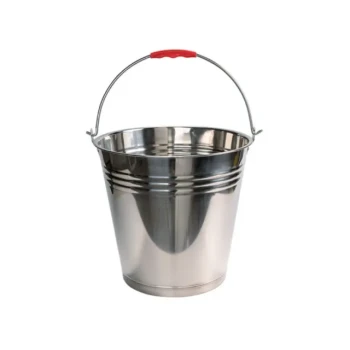
- Premium Stainless Steel Honey Tank Bucket Pail with Reinforced Handle and Polished Finish
- Classic Honey Bear Jars with Flip Top Dispensing Cap for Liquid Sweeteners
- Stainless Steel Honey Storage Tank with Lid for Honey
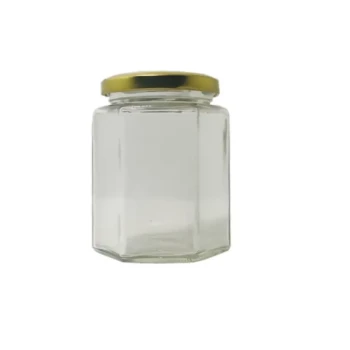
- Hexagonal Glass Honey Jars with Metal Lug Caps Elegant Versatile Packaging
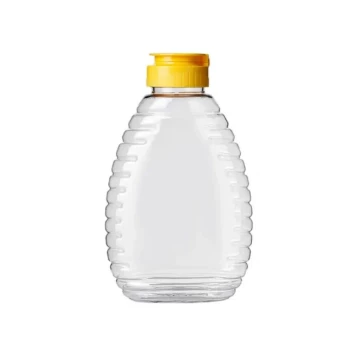
- Squeezable No-Drip Beehive-Shaped Honey Jars with Flip-Top Cap
People Also Ask
- What is the best container for honey? Preserve Purity & Flavor with the Right Choice
- What honey container sizes are recommended for specific commercial use cases? Maximize Your Apiary Profits
- What is the best container to store honey in? Preserve Purity & Flavor for Years
- What container can I put honey in? Choose the Best for Purity & Practicality
- What should be considered when choosing a container for honey to ensure effective sealing? Master Honey Packaging Success