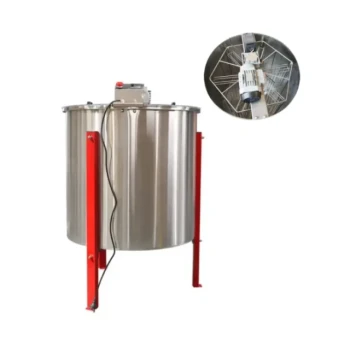
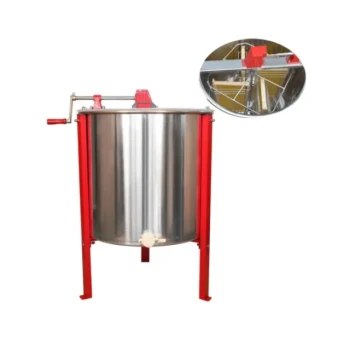
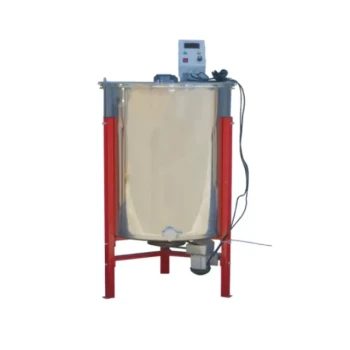
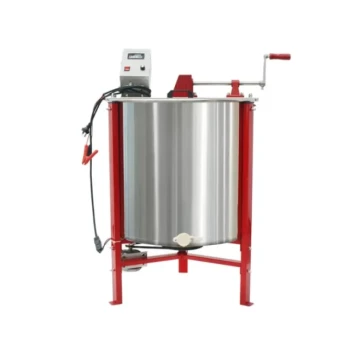
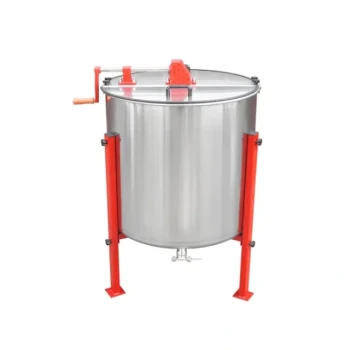
The primary benefit of using a honey extractor is the ability to harvest honey rapidly while preserving the physical structure of the honeycomb. Unlike older methods that required crushing or pressing the comb to release the honey, an extractor uses centrifugal force to spin the liquid out, leaving the wax framework intact for immediate reuse.
Core Insight: The true value of a honey extractor lies in resource conservation. By protecting the wax comb from destruction, you eliminate the need for bees to rebuild their infrastructure, allowing them to direct their energy almost entirely toward honey production.
The Impact on Colony Efficiency
Preserving the Wax Infrastructure
Traditional harvesting methods, such as manual squeezing or pressing, inevitably destroy the honeycomb. This forces the colony to start from scratch after every harvest.
A centrifugal extractor removes the honey without damaging the delicate wax cells. This preservation is the foundation of modern high-yield beekeeping.
Maximizing Energy for Production
Building wax requires a significant expenditure of energy and nectar from the bees. When you return intact combs to the hive, the bees do not need to waste resources rebuilding the colony's structure.
Instead, they can immediately begin refilling the empty cells. This cycle significantly increases the cumulative honey yield over the course of a flowering season.
Improvements in Honey Quality
Eliminating Contaminants
Old-fashioned pressing methods often mix the honey with undesirable hive by-products. The force of crushing often introduces wax residue, pollen, and even larvae fluids into the final product.
Centrifugal extraction separates the honey cleanly through physical force. This prevents the honey from coming into contact with impurities, resulting in a product with fewer water-insoluble solids.
Enhancing Commercial Grade
Because the extraction process is mechanical and precise, the resulting honey retains higher purity. It preserves the natural flavor and color profile better than pressed honey.
This cleaner process improves the honey's international competitiveness and commercial grade by reducing the filtration required to remove debris.
Understanding the Trade-offs
Requirement for Standardization
While extractors offer superior efficiency, they generally rely on the use of standardized frames. Unlike crushing methods, which can process wild or irregular comb, extractors require combs to be built within frames that fit the centrifuge basket.
Cleaning and Maintenance
Using an extractor introduces a layer of mechanical maintenance that simple crushing does not. The equipment must be cleaned thoroughly to prevent crystallization or fermentation of residue. Additionally, the frames themselves must be managed carefully before being returned to the hive to ensure hygiene.
Making the Right Choice for Your Goal
To decide if a honey extractor is the right investment for your operation, consider your primary objectives:
- If your primary focus is Maximum Yield: Prioritize the extractor, as returning intact combs allows bees to produce honey much faster than if they had to rebuild wax.
- If your primary focus is Purity: Use an extractor to ensure the honey remains free from crushed wax, larvae fluids, and other physical contaminants common in pressed honey.
- If your primary focus is Speed: The extractor allows you to process frames rapidly via high-speed rotation rather than slow gravity straining.
Ultimately, the honey extractor shifts beekeeping from a destructive harvest model to a sustainable cycle of reuse and replenishment.
Summary Table:
| Feature | Traditional Pressing/Crushing | Centrifugal Honey Extractor |
|---|---|---|
| Comb Integrity | Destroyed/Crushed | Preserved & Reusable |
| Bee Energy | Spent on rebuilding wax | Focused on honey production |
| Honey Purity | High risk of wax/debris mix | High; clean separation |
| Production Speed | Slow gravity/manual labor | Rapid high-speed rotation |
| Honey Yield | Lower (due to wax rebuilding) | Significantly Higher |
Maximize Your Apiary's Productivity with HONESTBEE
Efficiency is the backbone of a successful commercial beekeeping operation. At HONESTBEE, we empower commercial apiaries and global distributors with professional-grade honey extractors and automated machinery designed to preserve your wax infrastructure and maximize honey purity.
From high-capacity honey-filling machines to specialized hive-making equipment and essential industry consumables, our comprehensive wholesale portfolio is built to scale your business. Don't let your colony waste energy rebuilding what technology can protect.
Ready to upgrade your harvest efficiency? Contact HONESTBEE today to explore our full spectrum of beekeeping tools and hardware!
Related Products
- HONESTBEE 72 Frame Industrial Electric Honey Extractor for Beekeeping
- Commercial Electric 12 Frame Honey Extractor Spinner Motorized Honey Extractor
- HONESTBEE 6 Frame Self Reversing Electric Honey Extractor for Beekeeping
- HONESTBEE 3-Frame Manual Acrylic Honey Extractor
- Stainless Steel Manual 8 Frame Radial Honey Extractor Machine for Beehives
People Also Ask
- What is the importance of balancing honeycomb frames within a honey extractor? Ensure Stability and Protect Machinery
- How is honey separated from the frames after they are uncapped? Efficient Extraction Methods for High Yields
- What are the main benefits of using a honey extractor? Maximize Yields and Protect Your Honeycomb
- What are the recommended methods for removing honey from the honeycomb? Top Extraction Techniques for Maximum Efficiency
- How do manual honey extractors compare to electric honey extractors? Choosing the Right Tool for Your Apiary Growth