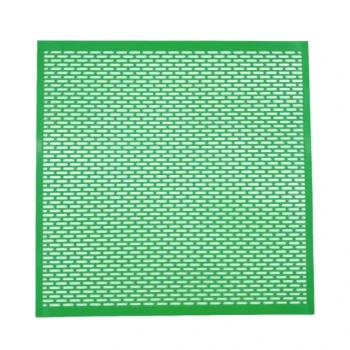
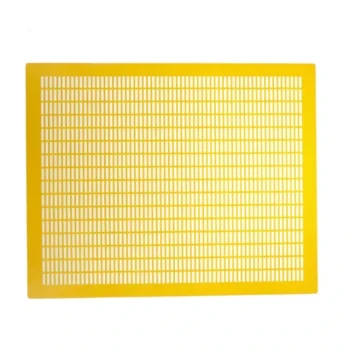
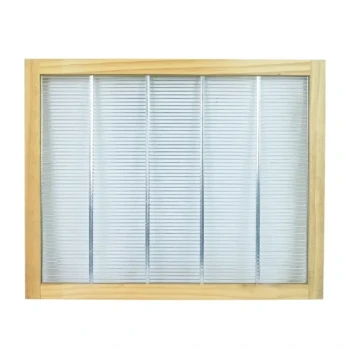
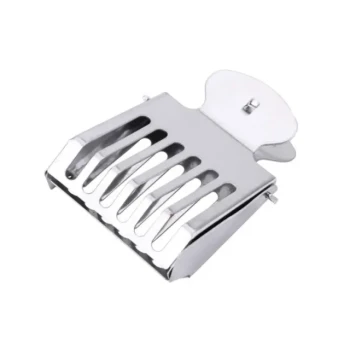
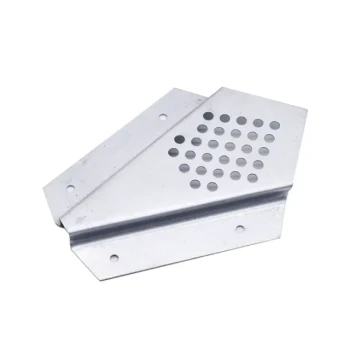
The primary function of a queen excluder is to physically segregate the queen bee within the brood chamber, preventing her from accessing the honey storage areas. Positioned between the lower brood box and the upper honey supers, this device utilizes a precise grid size that allows smaller worker bees to pass through freely while blocking the larger queen. By confining the queen to the lower level, beekeepers ensure that the upper frames are filled exclusively with honey, rather than bee eggs or larvae.
The Core Value of Exclusion While technically a barrier, the queen excluder acts as a critical quality control device for the hive. It guarantees that the honey harvest remains pure and free of brood contamination, while simultaneously preserving the longevity and cleanliness of the honeycomb wax.
The Mechanics of Exclusion
Precision Filtering
The device operates on a simple but effective physical principle: size differentiation. The excluder is typically a flat screen made of metal or plastic.
The grid openings are gauged to specific dimensions—large enough for the multitude of worker bees to traverse between the brood box and the honey supers, but too narrow for the larger abdomen of the queen (and the drones).
Establishing Hive Zones
By installing this barrier, you effectively create two distinct zones within the hive structure.
The lower section (the brood chamber) becomes the dedicated nursery where the queen lays eggs and workers raise the brood. The upper section (the honey supers) is reserved strictly for long-term food storage.
Why Separation Matters
Ensuring Honey Purity
The most immediate benefit of using an excluder is the protection of your harvest. If a queen enters the honey supers, she will lay eggs in the available cells.
Without an excluder, the extraction process becomes problematic. Centrifuging frames containing larvae or eggs can contaminate the honey. Using an excluder ensures the supers contain only clean, capped honey.
Protecting the Honeycomb
Brood rearing has a physical impact on the wax. When larvae hatch, they leave behind cocoons and residues that darken the comb over time.
Darker, brood-used comb is significantly more attractive to wax moths, a pest that feeds on these cocoon residues. By keeping the queen out of the supers, the wax remains light ("virgin") and less susceptible to pest damage during storage.
Simplifying Colony Management
Knowing exactly where the queen is located reduces the risk of accidental harm.
When harvesting honey, beekeepers can remove supers rapidly without worrying about injuring the queen or inadvertently removing her from the colony. It simplifies fall management and inspections since the queen's location is predictable.
The Costs of Omission (Trade-offs)
The Risk of Contamination
Choosing not to use an excluder introduces significant operational risks. The primary pitfall is the contamination of honey stores with biological matter (larvae/eggs).
This not only ruins the aesthetic and purity of the honey but also complicates the mechanical extraction process, as frames must be sorted carefully to avoid those containing brood.
Pest Vulnerability
Omitting the excluder compromises the hygiene of your equipment.
Allowing brood in honey supers leads to "dirty" wax. This increases the maintenance burden, as you must be far more vigilant against wax moths attacking your stored supers during the off-season compared to clean, honey-only wax.
Making the Right Choice for Your Goal
Whether you are a hobbyist or a commercial producer, the use of a queen excluder dictates the efficiency of your workflow.
- If your primary focus is Honey Quality: Use an excluder to guarantee "virgin" honeycomb that is free of larvae, resulting in a cleaner, purer harvest.
- If your primary focus is Hive Management: Employ an excluder to reduce inspection times and eliminate the risk of harming the queen during honey removal.
Ultimately, the queen excluder is the definitive tool for converting a chaotic colony into a structured, efficient honey-producing system.
Summary Table:
| Feature | Queen Excluder Utility | Benefit to Beekeeper |
|---|---|---|
| Mechanism | Precision-sized grid (metal/plastic) | Blocks queen/drones while allowing workers through |
| Honey Quality | Prevents brood in honey supers | Ensures harvest is free of larvae and eggs |
| Wax Health | Maintains "virgin" wax status | Reduces attraction to wax moths and pests |
| Management | Predictable queen location | Faster inspections and safer honey extraction |
Elevate Your Apiary with Professional-Grade Equipment
Maximize your honey production efficiency and maintain the highest standards of hive hygiene with HONESTBEE. As a premier partner for commercial apiaries and distributors, we provide a comprehensive wholesale range of beekeeping essentials.
Our Value to You:
- Full Spectrum Supply: From precision-engineered queen excluders and hive-making machinery to honey-filling systems.
- Quality Guarantee: Durable equipment designed to withstand the demands of industrial beekeeping.
- End-to-End Solutions: We offer everything from specialized hardware to honey-themed cultural merchandise to help you grow your brand.
Ready to scale your operations? Contact our expert team today to discover how HONESTBEE’s wholesale solutions can drive your success.
Related Products
- High Performance Plastic Queen Excluder for Beekeeping and Apiary Management
- Professional Plastic Queen Excluder for Modern Beekeeping
- Lightweight Durable Plastic Queen Excluder Scraper for Beekeeping
- Metal Queen Bee Excluder for Beekeeping
- Premium Wood Framed Metal Wire Queen Bee Excluder
People Also Ask
- What are the characteristics of a plastic queen excluder? Key Benefits for Cost-Effective Beekeeping
- What are the operational and cost advantages of using plastic queen excluders over metal or wire excluders in commercial hive management? Discover how they reduce labor, prevent wing damage, and lower total costs.
- What types of queen excluders are available for beekeepers? Choose the Right Tool for Your Hive
- Why are standardized hive frames and queen excluders essential for maintaining honey purity and quality? Scale Your Purity
- Do plastic queen excluders work? A Cost-Effective Solution for Modern Apiaries