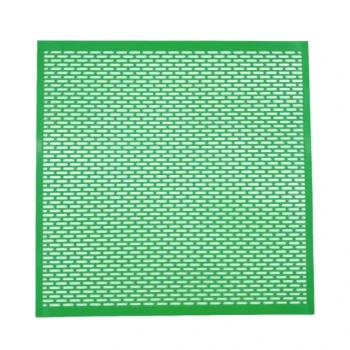
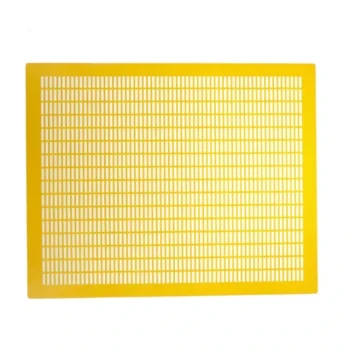
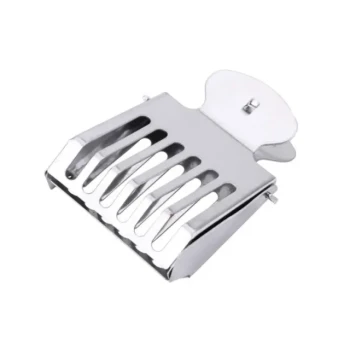
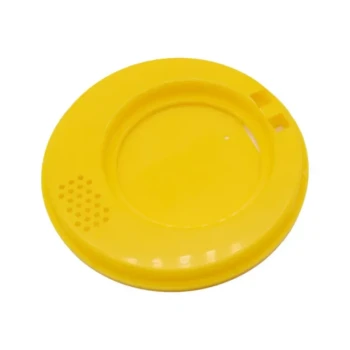
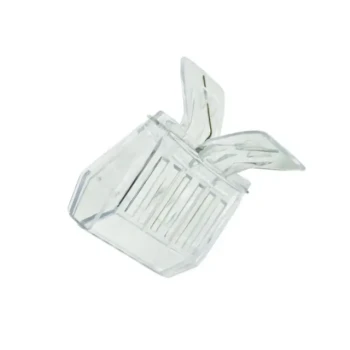
The primary function of a queen excluder is to serve as a mechanical filter within the hive stack. It utilizes precise grid spacing to confine the larger queen bee to the bottom brood chamber while permitting smaller worker bees to traverse freely into the upper honey supers. By enforcing this boundary, the excluder prevents the queen from laying eggs in the honey stores, ensuring the supers remain dedicated solely to honey production.
By physically blocking the queen's vertical movement, the excluder guarantees that honey supers remain free of eggs and larvae. This separation simplifies extraction, protects the queen during harvest, and ensures the purity of the final honey product.
The Core Objective: Separation of Resources
The queen excluder is not just a barrier; it is a tool for organization. It enforces a strict division between the colony's nursery (the brood nest) and its pantry (the honey supers).
Preserving Honey Purity
The most immediate benefit of this separation is the quality of the harvest. Without an excluder, a prolific queen may move upward and lay eggs in the frames intended for harvest.
By restricting the queen to the lower boxes, you ensure the combs in the supers remain free of larvae and eggs. This results in higher purity honey, as there is no risk of brood fluid contaminating the product during processing.
Protecting the Wax Matrix
Keeping brood out of the honey supers also preserves the integrity of the wax comb. Brood rearing leaves behind cocoons and biological residue that darken the wax over time.
Pure honeycombs are generally cleaner and less attractive to pests like wax moths, which feed on the protein-rich cocoons left behind by hatched brood.
Operational Efficiency
Beyond the quality of the honey, the queen excluder significantly reduces the labor required during hive inspections and harvest.
Simplifying Extraction
When honey supers contain brood, they cannot be easily harvested. Extracting honey from frames containing larvae is messy and can ruin the honey.
An excluder ensures that every frame in the super is "harvest-ready." This eliminates the need to sort through frames to identify those that are safe for centrifuging.
Safety During Removal
Removing honey supers is a disruptive process. If the queen is roaming freely in the supers, there is a distinct risk of accidentally harming or removing her during the harvest.
By confining her to the bottom chamber, you can clear bees from the supers and remove the boxes with the confidence that the queen is safe in the brood nest.
Understanding the Trade-offs
While the excluder offers clear management benefits, it is important to recognize it is an optional piece of equipment.
Restriction of Movement
The excluder creates a physical bottleneck. While workers can pass through, the barrier can sometimes slow down their movement into the supers, potentially affecting how quickly they store nectar.
Hive Dynamics
The device also confines pollen storage and brood rearing strictly to the brood nest. In highly prolific colonies, this can lead to congestion in the lower box if the beekeeper does not manage the brood nest effectively.
Making the Right Choice for Your Goal
Whether you use a queen excluder depends on your specific objectives for the apiary.
- If your primary focus is Commercial-Grade Honey: Use an excluder to guarantee no brood contamination and to streamline the mechanical extraction process.
- If your primary focus is Comb Honey Production: Use an excluder, as the aesthetic appeal of the comb relies entirely on it being free of cocoons and brood.
- If your primary focus is Low-Intervention Beekeeping: You may choose to forgo the excluder to allow the colony to organize the hive naturally, accepting the risk of brood in the supers.
Ultimately, the queen excluder is a tool for control, allowing the beekeeper to dictate exactly where the colony's population growth ends and its resource stockpiling begins.
Summary Table:
| Feature | Primary Function & Impact |
|---|---|
| Core Mechanism | Mechanical grid filter permitting worker passage while restricting the queen. |
| Honey Quality | Prevents brood/larvae contamination, ensuring pure, high-grade honey harvest. |
| Comb Integrity | Keeps honey supers light and clean by preventing cocoon residue and wax moth attraction. |
| Operational Safety | Simplifies extraction and protects the queen from accidental removal during harvest. |
| Best For | Commercial honey production, comb honey, and streamlined hive management. |
Maximize Your Honey Yield with HONESTBEE Professional Equipment
At HONESTBEE, we specialize in empowering commercial apiaries and distributors with the high-performance tools necessary for industrial-scale success. Whether you are seeking precision-engineered queen excluders, automated honey-filling machines, or durable hive-making machinery, our comprehensive wholesale catalog has you covered.
From essential consumables to specialized hardware and honey-themed cultural merchandise, we provide the full spectrum of beekeeping solutions tailored to your business needs. Contact us today to discuss your wholesale requirements and see how our expertise can streamline your operations and boost your productivity.
References
- Khem Raj Neupane, J. Wilde. Effect of Initial Strength of Honey Bee Colonies (Apis mellifera) Supered in Different Ways on Maximizing Honey Production in Nepal. DOI: 10.2478/v10289-012-0025-7
This article is also based on technical information from HonestBee Knowledge Base .
Related Products
- High Performance Plastic Queen Excluder for Beekeeping and Apiary Management
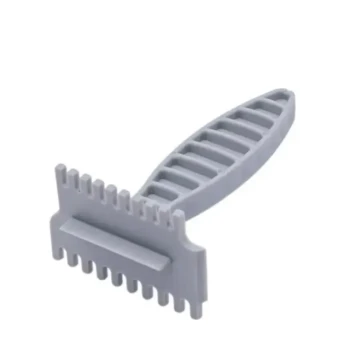
- Lightweight Durable Plastic Queen Excluder Scraper for Beekeeping
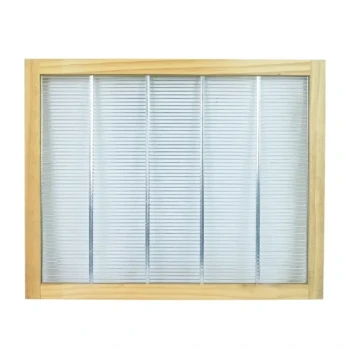
- Premium Wood Framed Metal Wire Queen Bee Excluder
- Professional Plastic Queen Excluder for Modern Beekeeping
- Metal Queen Bee Excluder for Beekeeping
People Also Ask
- What are the characteristics of a plastic queen excluder? Key Benefits for Cost-Effective Beekeeping
- What are the operational and cost advantages of using plastic queen excluders over metal or wire excluders in commercial hive management? Discover how they reduce labor, prevent wing damage, and lower total costs.
- What types of queen excluders are available for beekeepers? Choose the Right Tool for Your Hive
- Why are standardized hive frames and queen excluders essential for maintaining honey purity and quality? Scale Your Purity
- Do plastic queen excluders work? A Cost-Effective Solution for Modern Apiaries