The primary function of removable frame hives is to provide a standardized, modular structure that allows for non-destructive management of the bee colony. By enabling the removal of individual nest frames, these hives allow beekeepers to perform critical health inspections, monitor for pests, and manage honey yields without compromising the structural integrity of the hive or the colony's home.
Removable frame hives serve as the foundation for modern, intensive beekeeping by transforming the hive from a static container into a manageable system where components can be inspected, treated, and harvested efficiently without destroying the comb.
The Mechanics of Non-Destructive Management
Preserving Hive Structure
In traditional fixed-comb systems, accessing the colony often required damaging the wax structures. Removable frame hives solve this by utilizing a standardized internal structure.
Efficient Colony Inspection
The design allows beekeepers to lift out individual frames to visually inspect the brood and food stores. This accessibility is essential for identifying the health status of the queen and the overall population density.
Pest and Disease Monitoring
The ability to remove frames is critical for modern pest management. It enables direct observation of the comb surface to detect diseases or parasites, ensuring timely intervention before an infestation collapses the colony.
Standardization and Production Capacity
Facilitating Intensive Production
Removable frames transition beekeeping from passive observation to intensive production systems. The modular design supports artificial colony splitting, which allows operations to expand their apiary size systematically rather than relying on natural swarming.
Streamlined Honey Extraction
Because the frames are standardized and removable, honey can be extracted efficiently. The frames are removed, processed, and often returned to the hive, preserving the wax comb for future use by the bees.
Scientific Data Collection
The uniformity of Langstroth hives ensures environmental consistency, making them ideal for data comparison. Tools like wire grids can be applied to standard frames to quantitatively measure honey and pollen surface area, allowing for precise yield assessments across different treatment groups.
Understanding the Operational Requirements
Dependence on Maintenance Tools
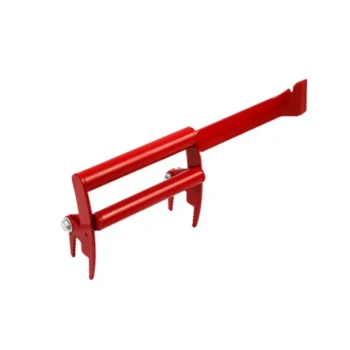
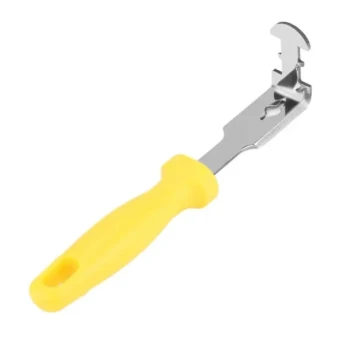
While removable frames offer efficiency, they require specific maintenance to remain functional. Beekeepers must use frame cleaning tools to remove propolis and wax buildup from the bars to ensure the frames remain movable and do not get "glued" to the hive body.
Requirement for Specialized Handling
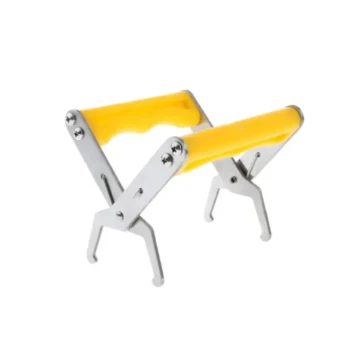
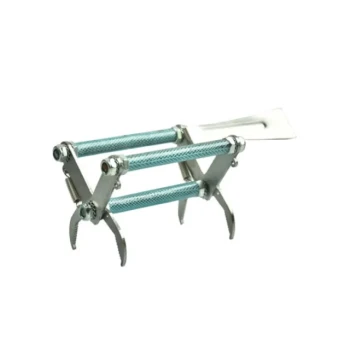
The system necessitates the use of specific hardware for safe operation. Frame grips are often required to maneuver frames securely during inspections to minimize disturbance to the bees, and internal frame feeders may be needed to provide supplemental nutrition during colder months.
Making the Right Choice for Your Goal
To maximize the benefits of a removable frame system, consider your specific operational focus:
- If your primary focus is Commercial Production: Leverage the modularity of the frames for efficient artificial splitting and high-volume honey extraction without forcing bees to rebuild comb.
- If your primary focus is Scientific Research: Utilize the standardized dimensions to integrate digital monitoring tools and wire grids for precise, comparable data collection across colonies.
Removable frame hives ultimately empower the beekeeper to act as a manager of the colony's resources rather than a destroyer of its habitat.
Summary Table:
| Feature | Primary Benefit | Impact on Beekeeping Operation |
|---|---|---|
| Modular Frames | Non-destructive access | Allows inspections without destroying wax comb |
| Standardization | Interoperability | Fits honey-filling machines and standardized extractors |
| Reusable Comb | Energy conservation | Bees focus on honey production rather than rebuilding wax |
| Grid Compatibility | Precise monitoring | Enables quantitative data collection and pest tracking |
| Structural Design | Scalability | Facilitates artificial splitting to grow apiary size efficiently |
Scale Your Commercial Apiary with HONESTBEE
Maximize your honey yield and operational efficiency with professional-grade equipment from HONESTBEE. As a premier partner for commercial apiaries and distributors, we provide a comprehensive wholesale range designed for intensive beekeeping.
From standardized Langstroth hives and precision honey-filling machines to essential consumables and honey-themed cultural merchandise, our portfolio covers every stage of the production cycle. Whether you are expanding your colony count or upgrading your processing facility, our tools ensure your frames remain manageable and your harvests remain high.
Ready to optimize your production? Contact our expert team today to discuss wholesale solutions tailored to your business needs.
References
- Jamie Ellis, Jerry Hayes. Best Management Practices for Siting Honey Bee Colonies: Good Neighbor Guidelines. DOI: 10.32473/edis-aa137-2014
This article is also based on technical information from HonestBee Knowledge Base .
Related Products
- Professional Multi-Function Stainless Steel Hive Tool
- Ergonomic High Visibility Plastic Frame Grip Handles
- Heavy-Duty Stainless Steel Clip-On Frame Perch
- Wooden Bee Hive Frames for Beekeeping and Wholesale
- Plastic Bee Frame Beekeeping Hive Frames for Wholesale
People Also Ask
- Why are professional hive tools considered indispensable? Master Beekeeping Maintenance with Precision Leverage
- What is the role of professional hive tools in routine apiary maintenance? Expert Tips for Hive Health and Longevity
- What are the benefits of a multi-functional hive tool? Streamline Your Apiary Workflow with One Tool
- What advantages do multi-functional hive tools offer? Maximize Your Apiary Efficiency and Workflow
- What are the common construction features of hive tools? Key Insights for Superior Beekeeping Efficiency