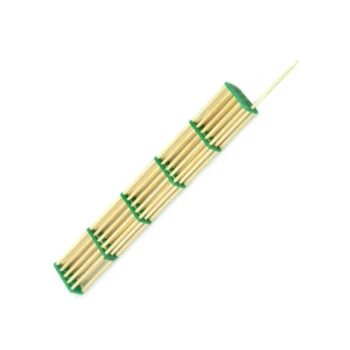
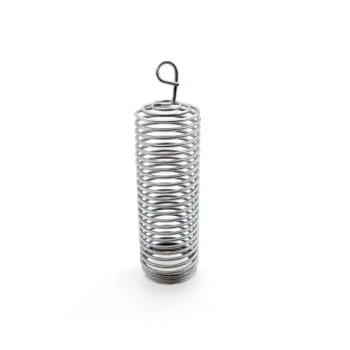
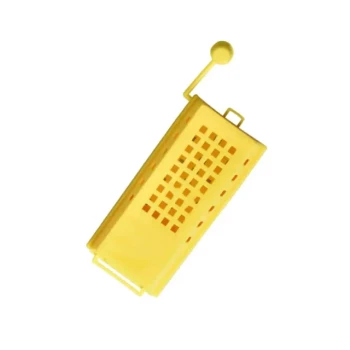
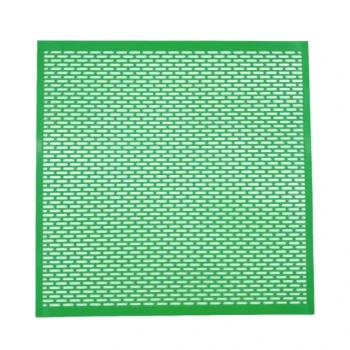
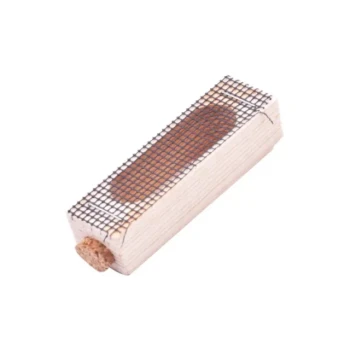
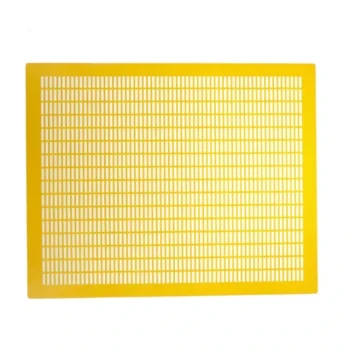
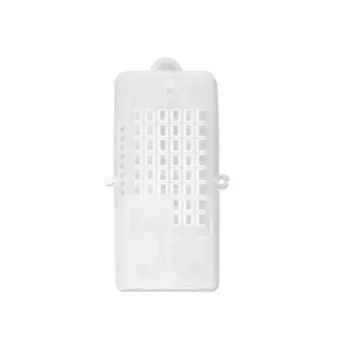
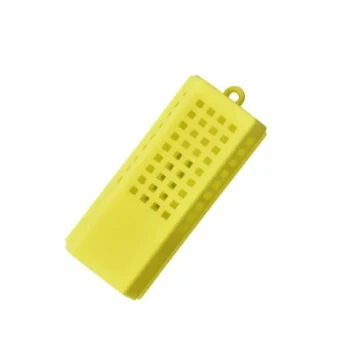
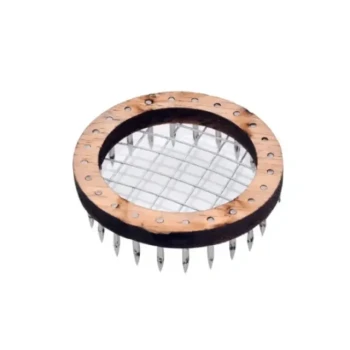
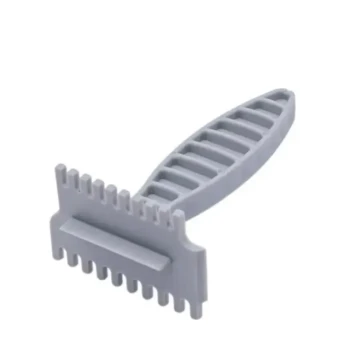
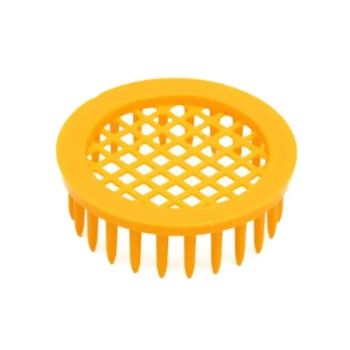
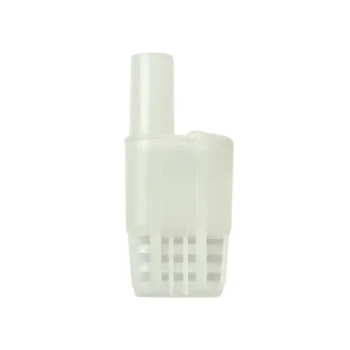
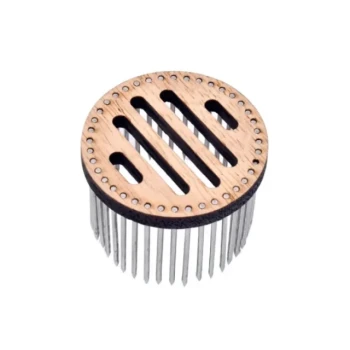
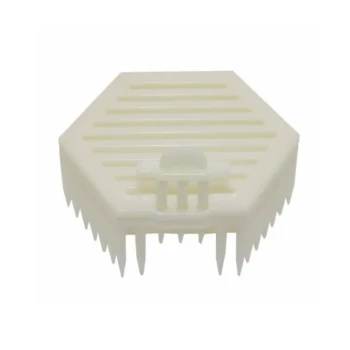
The queen excluder cage serves as the primary mechanism for biological control within the hive. Its function is to physically restrict the queen bee to a specific area, preventing her from accessing the artificial queen cells designated for production. This isolation ensures that the queen cannot lay eggs in these cells or destroy them, guaranteeing that the royal jelly is produced only for the specific, manually grafted larvae selected by the beekeeper.
The excluder cage transforms a natural hive into a controlled production environment. By creating a localized "queenless" zone, it forces worker bees to direct their maximum nursing effort toward the grafted larvae, ensuring high yields and purity without disrupting the colony’s overall stability.
Establishing Control Over the Hive Environment
Preventing Uncontrolled Egg Laying
The primary reference highlights that the queen's natural instinct is to lay eggs across available frames. Without the excluder cage, the queen would deposit eggs into the artificial queen cells intended for royal jelly accumulation.
This restriction is vital because royal jelly production relies on distinct batches. If the queen lays her own eggs in the production cells, it contaminates the batch with larvae of varying ages and disrupts the harvesting timeline.
Ensuring Larval Uniformity
Commercial royal jelly production requires standardization. The excluder ensures that the only larvae present in the production zone are those that have been manually transferred (grafted) by the technician.
By preventing the queen from entering, the beekeeper guarantees that every larva in the cell builder frame is exactly the same age. This uniformity allows for a precise, synchronized harvest cycle, which is essential for maximizing the potency and quantity of the final product.
Inducing the Nursing Response
While the cage blocks the queen, it allows smaller worker bees to pass freely. This selective permeability is critical for the "queenless production area" concept.
Worker bees in the isolated section perceive the absence of the queen and the presence of grafted larvae. This triggers an intense nursing instinct, compelling them to secrete massive amounts of royal jelly to feed what they perceive as potential new queens.
Protection of the Harvest
Beyond preventing egg-laying, the excluder acts as a security barrier. A queen bee views other developing queens as rivals and will often destroy queen cells if she can access them.
The cage physically protects the vulnerable grafted larvae from the reigning queen's aggression. This ensures high larval acceptance rates and prevents the destruction of the developing cells before the jelly can be harvested.
Understanding the Operational Trade-offs
Colony Stress and Management
While the excluder is essential for production, restricting a queen's movement is an unnatural intervention. It creates a divided colony structure that requires careful management to maintain social stability.
If the excluder is clogged or restricts worker movement too severely, the larvae inside may be starved. Conversely, if the excluder is damaged, the queen may breach the production zone, ruining the entire batch.
The Balance of Production vs. Population
Using an excluder to create a queenless zone places high pressure on the nurse bees. Beekeepers must balance the need for royal jelly against the colony's need for brood rearing in the queen-right section. Over-utilizing the excluder for production without allowing for colony regeneration can weaken the overall hive population over time.
Making the Right Choice for Your Goal
When implementing queen excluder cages in your production line, consider your specific objectives:
- If your primary focus is Product Purity: Prioritize the integrity of the excluder mesh to guarantee zero access for the queen, eliminating the risk of accidental egg contamination in the jelly.
- If your primary focus is Yield Efficiency: Ensure the excluder allows maximum flow for nurse bees, as the volume of royal jelly is directly tied to how easily workers can access and feed the grafted larvae.
Mastering the use of the queen excluder is the difference between a chaotic hive and a precision biological factory.
Summary Table:
| Feature | Primary Function | Impact on Production |
|---|---|---|
| Biological Control | Restricts queen to specific hive areas | Prevents uncontrolled egg laying in production cells |
| Larval Uniformity | Ensures only grafted larvae are present | Facilitates synchronized harvesting and consistent quality |
| Nursing Response | Creates a localized "queenless" zone | Triggers worker bees to secrete maximum royal jelly |
| Protection | Physical barrier against queen aggression | Prevents destruction of artificial queen cells |
Elevate Your Apiary's Production with HONESTBEE
Maximizing royal jelly yields requires precision tools that balance hive biology with industrial efficiency. At HONESTBEE, we specialize in supporting commercial apiaries and distributors with a comprehensive range of professional beekeeping solutions. From high-integrity queen excluder cages to advanced honey-filling machines and specialized hardware, our portfolio is designed to optimize every stage of your operation.
Whether you are scaling up a commercial queen rearing program or seeking reliable wholesale consumables, our team is ready to provide the expertise and equipment you need to succeed. Contact us today to explore our full catalog and wholesale offerings!
References
- Yuan Shi, Zhi Jiang Zeng. Changes in Alternative Splicing in Apis Mellifera Bees Fed Apis Cerana Royal Jelly. DOI: 10.2478/jas-2014-0019
This article is also based on technical information from HonestBee Knowledge Base .
Related Products
- Professional Bamboo Queen Isolation Cage
- Professional Queen Catcher and Introduction Queen Cage
- Durable Galvanized Steel Spring Queen Bee Cage
- Premium Wood Framed Metal Wire Queen Bee Excluder
- Professional Queen Cage with Sliding Gate and Feeder Plug
People Also Ask
- Why are specialized queen bee cages used for the banking of mated queen bees? Maximize Commercial Apiary Storage Efficiency
- What is the mechanism of action for using temporary queen bee cages? Master Successful Queen Introduction
- How does the side ventilation design of a queen bee cage impact the safety of the queen during long-distance transport?
- What should you do if the queen is still in the cage and the worker bees have not accepted her? Protect Your Colony from Queen Rejection
- What technical precaution must be taken regarding the mesh or grill side of a queen bee cage? Ensure Queen Survival