The primary purpose of beehive inspections is to monitor colony health and track development over time. To minimize disturbance during this process, beekeepers must utilize relaxed, calm movements while carefully listening to the colony's buzzing sounds to gauge agitation levels. Additionally, tools like smokers should be used to mask alarm pheromones, ensuring the safety of both the beekeeper and the bees.
Effective apiary management requires striking a delicate balance between gathering necessary information and respecting the colony's integrity. While inspections are vital for health monitoring, they must be conducted with precision to preserve the hive’s natural immune defenses and internal stability.
The Core Objectives of Inspection
Monitoring Health and Development
The fundamental reason for opening a hive is to assess the biological status of the colony. This involves checking for the presence of the queen, the pattern of brood development, and sufficient food stores.
Tracking Progress Over Time
Regular assessments allow you to track the trajectory of the colony across the season. By comparing current observations against previous data, you can identify trends in population growth or decline before they become critical failures.
Techniques for Minimizing Disturbance
Controlled Movement and Auditory Feedback
The physical demeanor of the beekeeper is the first line of defense against colony stress. You must utilize relaxed and calm movements to avoid startling the bees.
Simultaneously, you must actively listen to the hive. The volume and pitch of the buzzing sounds serve as an immediate feedback loop regarding the colony's level of agitation.
Olfactory Camouflage via Smokers
A beehive smoker is a critical safety tool that produces controlled cool smoke. This smoke serves two specific biological functions to reduce aggression.
First, it masks alarm pheromones released by guard bees, preventing the signal to attack from spreading throughout the colony. Second, it induces bees to consume honey, a behavior that naturally calms them and reduces the risk of accidental bee deaths during the inspection.
Understanding the Trade-offs
The Cost of Disruption
While inspections are necessary, every intervention comes with a biological cost. The primary reference emphasizes that inspections must be frequent enough to ensure health, but not so frequent that they cause unnecessary stress.
Preserving the Propolis Envelope
A frequently overlooked aspect of inspection is the damage caused to the propolis envelope. This resinous layer on the inner walls acts as the colony's "social immune system," providing antibacterial and antiviral protection.
Inspections inevitably disrupt this natural barrier. Therefore, improving your inspection process to reduce mechanical damage to the propolis layer is essential for maintaining the colony's long-term immunity.
Thermal Regulation
Bees expend significant energy maintaining a stable internal temperature, a process aided by the hive's structure (such as in insulated hives). Opening the hive releases this accumulated heat, forcing the bees to consume more resources to re-stabilize their environment.
Making the Right Choice for Your Goal
To manage your colonies effectively, tailor your inspection frequency and technique to your specific objectives:
- If your primary focus is Colony Safety: Utilize a smoker to mask alarm pheromones and listen for changes in buzzing pitch to gauge when to end an inspection.
- If your primary focus is Long-Term Immunity: Minimize scraping of the inner walls to preserve the propolis envelope and the colony’s antibacterial defenses.
- If your primary focus is Productivity: Balance your need for data with the bees' need for stability; over-inspecting disrupts thermal regulation and diverts energy away from honey production.
Mastering the art of inspection means gathering the maximum amount of information with the minimum amount of intrusion.
Summary Table:
| Inspection Aspect | Key Objective / Technique | Impact on Colony |
|---|---|---|
| Primary Goal | Monitor health, queen status, and brood development | Ensures long-term survival and early disease detection |
| Movement | Use relaxed, slow, and deliberate actions | Reduces agitation and prevents defensive behavior |
| Acoustics | Listen to buzzing pitch and volume | Provides real-time feedback on colony stress levels |
| Smoker Use | Mask alarm pheromones with cool smoke | Prevents defensive signals and induces calming behavior |
| Propolis Care | Minimize scraping of internal hive walls | Preserves the social immune system and natural defenses |
| Thermal Control | Limit inspection duration | Conserves energy needed for temperature regulation |
Elevate Your Apiary Management with HONESTBEE
At HONESTBEE, we understand that professional beekeeping requires precision tools that respect the delicate nature of the colony. Whether you are managing a large-scale commercial apiary or operating as a regional distributor, we provide the comprehensive wholesale solutions you need to succeed.
Why Partner with HONESTBEE?
- Full-Spectrum Equipment: From high-efficiency hive-making and honey-filling machinery to durable specialized hardware.
- Premium Consumables: A wide array of essential industry supplies to keep your colonies thriving and productive.
- Cultural Merchandise: Unique honey-themed products to expand your brand's market reach.
Boost your operational efficiency and preserve your bees' health with industry-leading equipment. Contact us today to explore our wholesale catalog and customized solutions!
Related Products
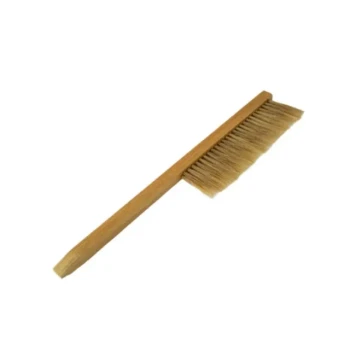
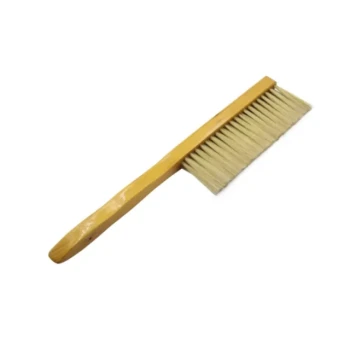
- Classic Wooden Bee Brush with Double-Row Boar Bristles
- Professional Large-Format Hive Number Set for Beekeeping
- Australian Pine Wood Langstroth Screen Bottom Board for Wholesale
- Stainless Steel Round Beehive Air Vents for Ventilation
- Professional Engraved Round Hive Number Tags for Beekeeping
People Also Ask
- What are the key features of a popular bee brush? Essential Design for Bee Safety and Hive Hygiene
- What are the key characteristics of the bristles on a bee brush? Master Gentle and Efficient Bee Removal
- What is a bee brush and what is its primary use? A Gentle Tool for Hive Management
- What is the purpose of using a bee brush during the inspection of hive components? Safe & Precise Hive Management
- What is the specific function of a bee brush? Ensure Pure Harvests and Colony Welfare During Honey Extraction