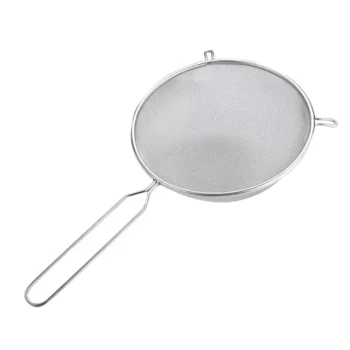
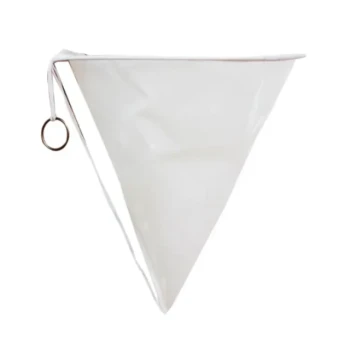
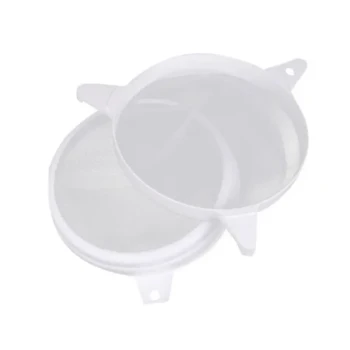
The primary purpose of using fine-mesh screens or filter cloths during the initial processing of raw honey is to perform physical filtration of macroscopic contaminants. By utilizing screens with a pore size of approximately 1 mm, processors effectively remove debris such as wax fragments and bee parts without stripping the honey of its essential microscopic components.
This filtration step acts as a critical balance between physical purity and nutritional integrity. It eliminates solid impurities to ensure accurate quality analysis and visual clarity, while deliberately retaining natural pollen grains to preserve the honey's raw classification.
Achieving Physical Purity Without Compromise
Removal of Macroscopic Debris
The immediate goal of filtration is the removal of physical contaminants introduced during harvest. Raw honey naturally contains non-liquid elements such as beeswax residues, propolis, and bee colony fragments. Fine-mesh screens effectively capture these large impurities to produce a visually clear and texturally smooth product.
Calibrated Pore Size
The effectiveness of this process relies heavily on the specific calibration of the filter material. Primary reference guidelines suggest a pore size of approximately 1 mm is ideal for this initial stage. This specific dimension is large enough to allow the viscous honey to pass through but small enough to catch visible hive debris.
Retention of Natural Pollen
Unlike industrial ultra-filtration, this initial processing is designed to be selective. Crucially, the 1 mm mesh allows natural pollen grains to remain suspended in the honey. Retaining pollen is essential for verifying the floral source of the honey and maintaining its nutritional value as a "raw" product.
Ensuring Analytical Accuracy
Establishing a Clean Baseline
For honey intended for laboratory analysis, physical filtration is a mandatory pre-treatment step. Removing solid impurities creates a uniform sample that meets the hygiene standards required for physicochemical testing. This prevents solid particles from skewing weight measurements or interfering with biochemical component readings.
Improving Microscopy Efficiency
Cleaning the sample of large debris significantly reduces "background noise" on microscopic slides. When large plant tissues or wax particles are removed, technicians can more easily identify and count pollen sediment. This efficiency is vital for accurate pollen analysis and geographic origin determination.
Preventing Cross-Contamination
In rigorous testing environments, filtration is often paired with sterile sampling techniques. Using clean filter cloths or de-fatted cotton helps prevent the introduction of environmental microorganisms. This ensures that any microbial detection results reflect the inherent quality of the honey, not external contamination.
Understanding the Trade-offs
The Risk of Over-Filtration
A common pitfall in honey processing is the use of mesh sizes that are too small in an attempt to achieve perfect clarity. If the filter pores are significantly smaller than 1 mm, the process may inadvertently remove pollen grains. Removing pollen strips the honey of its unique botanical identity and may disqualify it from being labeled as "raw" or "unfiltered."
The Risk of Under-Filtration
Conversely, using a mesh that is too coarse can leave significant particulate matter in the final product. This remaining debris can accelerate crystallization and negatively impact the texture (mouthfeel). Furthermore, organic debris left in the honey can elevate moisture content readings or harbor yeast, potentially affecting shelf stability.
Making the Right Choice for Your Goal
To select the appropriate filtration approach, you must align the process with your end-product requirements.
- If your primary focus is Raw Honey Certification: Ensure your mesh size is approximately 1 mm to strictly retain all pollen grains while removing wax.
- If your primary focus is Laboratory Analysis: Prioritize the removal of all solid interferences to ensure physicochemical and microbial test results are strictly accurate.
- If your primary focus is Commercial Aesthetics: Focus on achieving high clarity and smooth texture to meet consumer sensory standards, provided you do not compromise the nutritional baseline.
Correctly calibrated filtration transforms raw harvest material into a high-quality product without sacrificing its natural essence.
Summary Table:
| Feature | Specification/Detail | Benefit |
|---|---|---|
| Recommended Mesh Size | Approximately 1 mm | Removes wax and bee parts while allowing pollen to pass through. |
| Primary Goal | Physical Filtration | Ensures visual clarity and removes macroscopic contaminants. |
| Pollen Retention | Selective Filtering | Preserves honey's "raw" classification and floral identity. |
| Analytical Impact | Clean Baseline | Improves accuracy in lab testing and geographical origin analysis. |
| Risk Mitigation | Balanced Pore Size | Prevents premature crystallization and maintains nutritional integrity. |
Elevate Your Honey Production with HONESTBEE
At HONESTBEE, we understand that professional beekeeping requires precision tools that balance purity with product integrity. Whether you are a commercial apiary looking for high-efficiency honey-filling machines or a distributor seeking a comprehensive supply of specialized beekeeping hardware and consumables, we have you covered.
Our extensive portfolio includes:
- Advanced Machinery: From hive-making to precision honey processing and filling.
- Quality Tools: Fine-mesh filtration systems and essential harvesting equipment.
- Consumables & Merchandise: Industry-standard consumables and honey-themed cultural goods.
Ready to scale your operations? Contact us today to discover how our wholesale solutions can enhance your efficiency and product quality.
References
- Zhang Ru Bong, Irine Runnie Henry Ginjom. Simple and Rapid Characterization of Sarawak Stingless Bee Honey Using Melissopalynological and ATR-FTIR Analysis. DOI: 10.1007/s12161-024-02608-7
This article is also based on technical information from HonestBee Knowledge Base .
Related Products
- Professional Stainless Steel Honey Filter with Support Handle
- Nylon Honey Strainer Square Filter Cloth for Honey Filters
- Conical Nylon Honey Strainer Filter Bag for Beekeeping and Honey Filtration
- Stainless Steel Triangle Support Honey Strainer and Filters
- Honey Concentrating and Filtering Dehumidifier Machine 2T Capacity for Honey
People Also Ask
- Why are stainless steel filters essential during the initial purification phase of honey processing? Ensure Purity
- What are the benefits of using a high-quality honey filter? Elevate Purity and Preserve Natural Flavor
- What is the primary purpose of honey filters? Achieve Professional Clarity & Pure Honey Quality
- What micron filter should I use for honey? Choose the Right Filter for Sales or Competitions
- Why do people filter honey? For Clarity, Stability, and Consumer Appeal