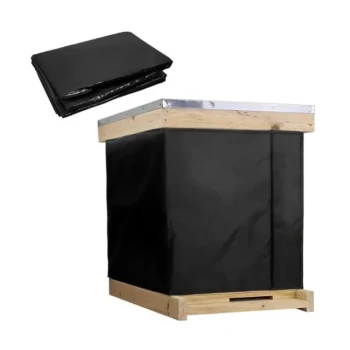
The primary purpose of using shading covers or privacy curtains during the transport of observation beehives is to create a controlled dark environment that drastically reduces colony stress. By blocking out light, these covers calm the bees, mitigating the agitation caused by vibrations and environmental shifts, while simultaneously shielding the hive from direct sunlight that can lead to fatal overheating.
Shading covers act as both a physiological sedative and a thermal shield: they utilize darkness to lower bee stress levels during movement and prevent solar radiation from melting beeswax and endangering the colony.
Regulating Light to Manage Colony Stress
The Calming Effect of Darkness
Honeybees are highly sensitive to their environment. The vibrations and motion associated with transport naturally induce agitation within the colony.
According to established best practices, maintaining a dark environment is the most effective way to counteract this agitation. Shading covers simulate the interior of a natural cavity, signaling the bees to remain calm.
Lowering Stress Levels
Reducing stress is not merely about keeping the bees quiet; it is about survival. High stress levels during transport can lead to increased metabolic activity and agitation.
By using privacy curtains to block visual stimuli, you effectively lower the colony's reaction to the chaotic environment outside the hive. This preservation of energy is vital for the bees' health upon arrival.
Protecting Against Thermal Dangers
Preventing the Greenhouse Effect
Observation hives typically feature glass or clear plastic walls. Without a shading cover, these transparent surfaces allow direct sunlight to enter the hive during outdoor displays or transport.
This creates a rapid greenhouse effect. The internal temperature can spike quickly, creating a hostile environment for the brood and adult bees.
The Risk of Structural Failure
The dangers of direct sunlight extend beyond simple overheating. The primary physical risk is the melting of beeswax.
If the internal temperature rises too high due to solar exposure, the wax combs can soften and collapse. This structural failure often results in significant colony mortality. Shading covers are the essential barrier that prevents this thermal accumulation.
Common Pitfalls to Avoid
Confusing Insulation with Shading
While insulated hives help regulate internal temperature by retaining heat in winter and repelling heat in summer, they serve a different function than shading covers.
Insulation works on thermal retention; shading covers work on light exclusion. Do not assume that because a hive is insulated, it is safe from the stress of light exposure or the intensity of direct solar radiation through viewing ports.
Neglecting Airflow
A common mistake when applying shading covers is restricting ventilation. While the goal is to block light, the cover must not hermetically seal the hive.
Bees require oxygen and the ability to cycle air to regulate their own temperature. Ensure your shading solution provides darkness without suffocating the colony.
Making the Right Choice for Your Transport
To ensure the safety of your observation hive, tailor your use of covers to your specific situation:
- If your primary focus is active transport: Prioritize thick, opaque materials that block all light to minimize stress caused by vehicle vibration and movement.
- If your primary focus is outdoor display: Prioritize covers that can be easily lifted for viewing but are strictly replaced immediately to prevent the greenhouse effect and wax melting.
The strategic application of darkness is the single most effective tool for ensuring your observation colony remains physically intact and physiologically calm.
Summary Table:
| Feature | Primary Benefit | Functional Impact |
|---|---|---|
| Light Exclusion | Stress Reduction | Simulates natural hive darkness to calm bees during movement. |
| Solar Shielding | Thermal Protection | Prevents the greenhouse effect and structural beeswax collapse. |
| Opaque Materials | Behavioral Sedative | Lowers metabolic activity by blocking external visual stimuli. |
| Ventilation Gap | Respiratory Health | Ensures oxygen flow while maintaining a dark environment. |
Elevate Your Beekeeping Operations with HONESTBEE
At HONESTBEE, we specialize in supporting commercial apiaries and distributors with high-performance beekeeping solutions. Whether you are transporting delicate observation hives or managing large-scale honey production, we provide the full spectrum of tools you need to succeed.
Our Value to You:
- Comprehensive Wholesale Range: From specialized hive-making and honey-filling machinery to professional-grade hardware.
- Industry Essentials: A wide array of consumables and honey-themed cultural merchandise to diversify your portfolio.
- Tailored for Pros: We understand the unique needs of distributors and commercial operators worldwide.
Ready to scale your business? Contact us today to explore our wholesale offerings and secure the equipment your apiary deserves!
References
- David Hall, Malcolm T. Sanford. Observation Bee Hives. DOI: 10.32473/edis-mg320-2014
This article is also based on technical information from HonestBee Knowledge Base .
Related Products
- Telescopic Beehive Outer Cover Lid Roof with Galvanised Sheeting for Langstroth Hive and Beehive Outer Cover
- Inner Beehive Cover for Beekeeping Bee Hive Inner Cover
- Professional Insulated Winter Hive Wrap for Beekeeping
- Acrylic Lid Beekeeping Honey Extractor for Beekeepers
- Plastic Bee Frame Beekeeping Hive Frames for Wholesale
People Also Ask
- What is a telescoping outer cover and what are its advantages? Maximize Hive Protection in Harsh Climates
- What is the function of an outer telescoping cover on a beehive? Ultimate Weather Protection for Your Colony
- What is the purpose of the outer telescoping cover in a beehive? The Key to Weatherproofing Your Hive
- What are the benefits of the telescoping outer cover? Essential Protection for Hive Health & Longevity
- How should a telescoping outer cover be removed? Expert Techniques for Smooth Beekeeping Operations