To properly dry collected pollen, you must reduce its moisture content from its natural state of 7–21% down to a precise target of 2.5–6%. The most effective method involves using a forced-air system to pass warm, dry air through the pollen at a controlled temperature of 45°C.
Core Takeaway Fresh pollen is a perishable product that will quickly deteriorate or grow mold if left untreated. Successful preservation requires a strict drying regimen to stabilize moisture levels, followed by cleaning and airtight storage to maintain quality for a year or more.
The Physics of Moisture Reduction
Establishing the Target
Freshly collected pollen contains significant moisture, ranging from 7% to 21%. This level is too high for stability and invites rapid spoilage.
The Preservation Zone
To prevent mold growth and deterioration, you must lower the moisture content to between 2.5% and 6%. Achieving this specific range is the primary metric for successful drying.
Environmental Adjustments
If you are processing in a high-humidity environment, simply heating the air may not be enough. You may need to dry the intake air before it is heated and passed through the pollen to ensure it can effectively absorb moisture.
The Drying Workflow
Forced Air Systems
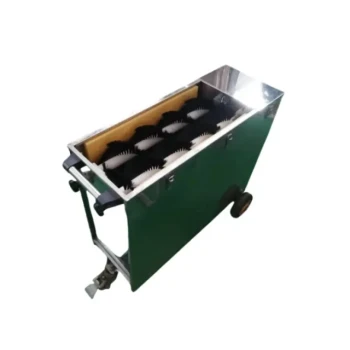
The recommended mechanism is a forced air drying system. This equipment pushes air through the pollen granules rather than just heating the container, ensuring even drying throughout the batch.
Temperature Control
Maintain a strict drying temperature of 45°C. This temperature is sufficient to evaporate moisture without "cooking" the pollen, which could degrade its properties.
Cleaning After Drying
Once the pollen is dried to roughly 6% moisture, it is time to clean it. Cleaning is generally more effective after drying because the granules are less sticky and easier to separate from debris.
The Multi-Stage Cleaning Process
For small collections, use hand sieves to purify the product. Start with a fine fiber-glass mesh to remove dust. Follow this with two 3mm mesh screens to filter out larger debris, and finish by hand-picking any remaining foreign material.
Understanding the Trade-offs
Shelf Life vs. Freshness
Drying makes pollen shelf-stable, allowing it to be stored in airtight containers at room temperature (in a cool, dark place) for a year or more. However, strict temperature control is vital; excessive heat during drying can damage the nutritional profile.
Alternative Preservation
If you cannot dry the pollen immediately or lack the equipment, freezing is the primary alternative. Freezing preserves nutritional value and freshness but requires a continuous cold chain. Drying offers greater flexibility for storage and transport.
Making the Right Choice for Your Goal
Whether you are preparing pollen for personal apiculture use or commercial sale, your approach should align with your end goal.
- If your primary focus is long-term shelf stability: Ensure your drying system reaches the 2.5–6% moisture target to prevent mold during room-temperature storage.
- If your primary focus is product purity: Perform your cleaning and sieving after the drying phase, as dried pollen is easier to separate from dust and debris.
- If your primary focus is feeding bees during a dearth: Keep the dried pollen in a covered feeder or container to ensure it stays dry and does not absorb ambient moisture.
Precision in temperature and moisture control is the difference between a high-quality product and a spoiled harvest.
Summary Table:
| Parameter | Fresh Pollen | Target Dried Pollen |
|---|---|---|
| Moisture Content | 7% – 21% | 2.5% – 6% |
| Optimal Temperature | Ambient | 45°C (113°F) |
| Primary Tool | Collection Traps | Forced-air Drying System |
| Storage Method | Refrigeration/Freezing | Airtight Container (Cool, Dark Place) |
| Shelf Life | Days (Perishable) | 1+ Year |
Elevate Your Bee Product Quality with HONESTBEE
At HONESTBEE, we understand that precision is the key to profitability for commercial apiaries and distributors. Whether you are scaling up production or refining your harvest, we provide the professional-grade tools you need to succeed. Our comprehensive wholesale catalog includes:
- Advanced Machinery: High-efficiency pollen dryers, honey-filling machines, and hive-making equipment.
- Beekeeping Essentials: A full spectrum of durable tools and industry consumables.
- Retail Ready: Unique honey-themed cultural merchandise to expand your brand's reach.
Ready to optimize your beekeeping operation with high-performance equipment? Contact HONESTBEE today to discuss our wholesale offerings and discover how we can strengthen your supply chain.
Related Products
- Removable Plastic Pollen Trap With Ventilated Tray for Bees Pollen Collector
- High Quality Honey Dehumidifier Dryer Thickening Machine for Beekeeping
- Plastic Bee Pollen Trap Strips Comb Catcher Collector
- Heavy-Duty Ergonomic Grip Galvanized Pollen Shovel
- Stainless Steel Pollen Shovel with Wooden Handle
People Also Ask
- What are the design principles and advantages of pollen traps in the collection of bee pollen? Boost Your Apiary Yield
- What is the function of professional pollen traps in evaluating honey plants? Quantifying Pollination and Crop Potential
- What functions do pollen traps serve for bee bread production? Optimize Your Raw Material Collection
- What maintenance and pest prevention measures should be taken for pollen traps? Protect Your Hive and Harvest Quality
- How does the use of pollen traps in honeybee hives enhance crop fertilization? Boost Your Yield Through Induced Activity