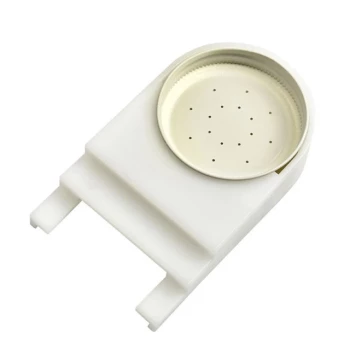
Supplemental feeding systems act as a critical energy bridge for honeybee colonies. They provide essential nutrition—specifically sugar syrup and protein—during periods when natural nectar and pollen are scarce, such as winter, early spring, or droughts. This intervention is not merely about preventing starvation; it is a calculated management strategy to maintain colony vitality, minimize winter losses, and prepare the hive for future production.
By decoupling colony health from environmental fluctuations, supplemental feeding ensures consistency and stability, allowing beekeepers to precisely regulate population growth to match seasonal honey flows.
Ensuring Survival During Resource Scarcity
The most immediate function of a feeding system is to protect the colony against environmental stress.
Bridging the Forage Gap
Natural food sources are rarely consistent. Weather anomalies, droughts, and seasonal shifts create "dearth" periods where natural forage is unavailable.
Supplemental feeding fills this void, providing high-quality artificial syrups or protein patties. This ensures the colony maintains the caloric intake necessary for survival when nature cannot provide it.
Preventing Winter Mortality
Starvation is a leading cause of colony loss during winter.
Bees require significant energy to thermoregulate (generate heat) within the hive. A precise feeding system guarantees that the colony has sufficient fuel to maintain hive temperature and survive until the first spring bloom.
Eliminating Stress Variables
In both commercial and research settings, nutritional consistency is vital.
By maintaining a balanced nutritional state through feeding, beekeepers eliminate health variations caused by food stress. This creates a stable physiological background, ensuring that colony performance reflects its true genetic potential rather than its reaction to starvation.
Regulating Growth and Productivity
Beyond survival, supplemental feeding is a lever for manipulating colony strength to maximize yield.
Facilitating Rapid Spring Buildup
A colony that merely survives winter may be too weak to harvest the first nectar flow.
Feeding in early spring acts as a stimulant. It encourages the queen to begin egg-laying early, ensuring the colony raises a massive workforce just in time for the season's primary bloom.
Aligning Peak Population with Honey Flow
Timing is everything in honey production.
Beekeepers use artificial feeding to regulate colony strength, ensuring the population reaches its peak foraging capacity exactly when the local flora begins to produce nectar. This synchronization maximizes the seasonal honey yield.
Understanding the Operational Trade-offs
While vital, supplemental feeding requires careful implementation to be effective.
Distribution and Waste Control
Simply providing food is insufficient; it must be accessible.
Dedicated feeders are necessary to ensure uniform distribution of the feed throughout the hive. Poorly managed feeding can lead to waste, spoilage, or uneven access, which undermines the stability of the colony.
Nutrition vs. Medication
It is critical to distinguish between feeding and medical treatment.
Supplemental feeding addresses caloric and protein deficits. However, it does not replace the need for veterinary drugs or vitamin-enriched stimulants, which are distinct consumables used to treat parasites, boost immunity, and manage disease.
Making the Right Choice for Your Goal
The application of a feeding system depends heavily on your immediate objectives.
- If your primary focus is Overwintering: Prioritize high-energy sugar syrups in late autumn to ensure the colony has sufficient stores to thermoregulate through the cold.
- If your primary focus is Yield Maximization: Implement stimulative feeding in early spring to accelerate population growth ahead of the primary nectar flow.
- If your primary focus is Research or Breeding: Maintain a constant feeding schedule to remove nutritional stress as a variable, allowing for accurate evaluation of genetic traits.
Ultimately, a supplemental feeding system transforms beekeeping from a passive reliance on nature into an active, managed discipline that ensures consistency and longevity.
Summary Table:
| Strategic Goal | Primary Function | Ideal Timing |
|---|---|---|
| Survival | Bridges forage gaps and prevents winter starvation | Late Autumn & Droughts |
| Growth | Stimulates queen laying for rapid spring buildup | Early Spring |
| Productivity | Aligns peak foraging population with honey flow | Pre-Bloom Period |
| Consistency | Removes nutritional stress for stable research/breeding | Year-round (as needed) |
Elevate Your Apiary's Performance with HONESTBEE
Maximize your colony survival rates and honey production with professional-grade solutions from HONESTBEE. As a leading partner for commercial apiaries and distributors, we provide a comprehensive wholesale range of beekeeping tools, machinery, and essential consumables.
From advanced hive-making and honey-filling machines to specialized hardware designed for large-scale operations, our portfolio empowers you to manage your colonies with precision. Whether you are looking to scale your infrastructure or source high-quality industry consumables, we deliver the value and reliability your business needs.
Ready to optimize your yield?
Contact HONESTBEE today to explore our wholesale offerings
References
- Arianna Pignagnoli, Aldo Dal Prà. Carbon Footprint of Honey in Different Beekeeping Systems. DOI: 10.3390/su131911063
This article is also based on technical information from HonestBee Knowledge Base .
Related Products
- HONESTBEE Professional Entrance Bee Feeder Hive Nutrition Solution
- HONESTBEE Entrance Bee Feeder Professional Hive Nutrition Solution for Beekeeping
- HONESTBEE Professional Hive Top Bee Feeder Feeding Solution
- HONESTBEE Entrance Bee Feeder Efficient Hive Front Liquid Feeding Solution for Beekeeping
- In-Hive Dual Compartment Frame Bee Feeder for Targeted Colony Nutrition
People Also Ask
- What types of bee feeders are available for beginners? Start with the Simple Entrance Feeder
- What are the advantages and disadvantages of using an entrance feeder for bees? Balance Convenience and Hive Security.
- How does a bee entrance feeder work? A Simple Guide to Convenient Hive Feeding
- What is a bee entrance feeder and what are its drawbacks? Essential Guide to Hive Security and Feeding Efficiency
- How to make an entrance feeder for bees? A DIY Guide for Safe & Effective Feeding