Metal ring capacitive sensors are precision monitoring instruments designed to track the specific entry and exit activity of individual bees. Installed within plastic entrance tubes, these sensors function by detecting the physical presence of a bee based on its biological composition, allowing for granular data collection regarding colony health and foraging frequency.
The core value of this technology lies in its ability to leverage the high water content of a bee's body to trigger capacitance changes, providing a high-resolution counting system that far exceeds the capabilities of visual observation or simple motion detectors.
The Mechanics of Capacitive Sensing
Leveraging Biological Composition
The effectiveness of these sensors is rooted in physics. A bee’s body is primarily composed of water, which possesses a significantly higher dielectric constant than the surrounding air.
How Detection Occurs
As a bee passes through the metal ring, the sensor detects the shift in capacitance caused by this dielectric difference. The sensor essentially "sees" the water inside the bee disrupting the electrical field within the ring.
High-Resolution Discrimination
Because the detection is based on mass and composition rather than just movement, the system offers high resolution. It can distinguish individual bees, preventing the data errors common in systems that might mistake shadows or wind-blown debris for insect activity.
Why the Tube Configuration Matters
Forcing Sequential Movement
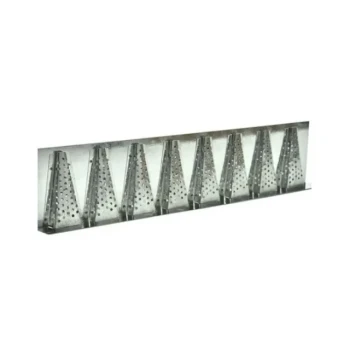
The placement of these sensors within plastic entrance tubes is a deliberate design choice to manage traffic flow. The tube forces bees to enter and exit in a single file or restricted stream.
Precision Counting
By isolating the bees as they pass through the ring, the system can accurately assess collection frequency and overall activity levels. This setup transforms a chaotic hive entrance into a quantifiable stream of data points.
Understanding the Trade-offs
Data vs. Defense
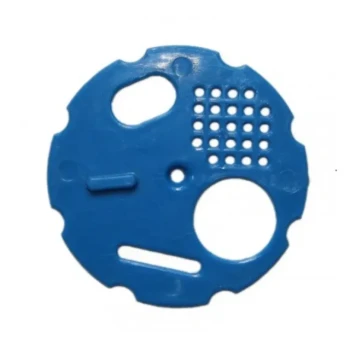
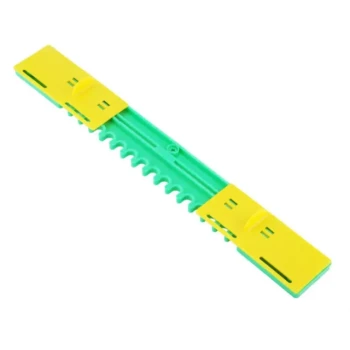
While capacitive sensors provide superior data, they should not be confused with standard entrance reducers. Standard wooden or metal reducers are passive physical barriers used primarily to prevent robbing, exclude mice, and regulate ventilation during winter or colony establishment.
Complexity vs. Reliability
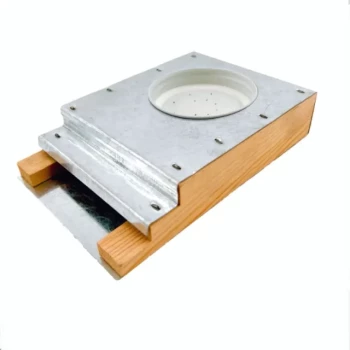
Capacitive systems introduce electronic complexity to the hive. Unlike a simple metal mouse guard which effectively stops rodents via physical strength, a sensor system requires power and data logging infrastructure to be useful.
Potential Bottlenecks
The use of narrow tubes to facilitate sensing can restrict the flow of traffic more than a standard entrance. While great for counting, this could potentially create congestion during peak foraging hours compared to a wider, traditional entrance reducer.
Making the Right Choice for Your Goal
To determine if this technology is appropriate for your apiary, consider your primary objective:
- If your primary focus is scientific research or precise monitoring: Implement metal ring capacitive sensors to gain granular insights into foraging rates and colony activity levels.
- If your primary focus is physical hive protection: Rely on traditional wooden entrance reducers or metal mouse guards to exclude pests and manage temperature without adding electronic complexity.
By distinguishing between physical protection and digital monitoring, you can select the right tool to support the specific phase of your colony's development.
Summary Table:
| Feature | Capacitive Sensor (Metal Ring) | Traditional Entrance Reducer |
|---|---|---|
| Primary Goal | Data collection & activity monitoring | Physical protection & pest exclusion |
| Mechanism | Dielectric capacitance change (water content) | Physical barrier (wood/metal) |
| Data Granularity | High (individual bee entry/exit tracking) | None (passive management) |
| Installation | Integrated plastic entrance tubes | Hive entrance slot |
| Best Used For | Scientific research & health analytics | Wintering & colony defense |
Elevate Your Beekeeping Operations with HONESTBEE
At HONESTBEE, we empower commercial apiaries and global distributors with the cutting-edge tools needed for modern apiculture. Whether you are looking for high-precision monitoring components or durable industrial-grade hardware, our comprehensive wholesale portfolio has you covered.
Our Value to You:
- Comprehensive Supply: From specialized beehive-making and honey-filling machinery to high-quality consumables.
- Commercial Scale: We cater specifically to large-scale operations and distributors with competitive wholesale offerings.
- Diverse Portfolio: Access a full spectrum of beekeeping tools and unique honey-themed cultural merchandise.
Ready to scale your production or upgrade your hive technology? Contact us today to explore our full range of solutions!
References
- Benjamin H. Paffhausen, Randolf Menzel. The Electronic Bee Spy: Eavesdropping on Honeybee Communication via Electrostatic Field Recordings. DOI: 10.3389/fnbeh.2021.647224
This article is also based on technical information from HonestBee Knowledge Base .
Related Products
- Beehive Entrance Discs Plastic Bee Entrance Disc for Bee Hives
- Steel Round Disc Entrance Reducer for Flexzion Bee Hive Nuc Box Gate
- Beehive Entrance Reducer Guardian Metal Hive Entrance for Bees
- Multi-Functional Rotary Hive Entrance Disc for Beekeeping
- Professional Reversible Beehive Hive Entrance
People Also Ask
- What is the best entrance for a bee hive? Maximize Colony Health & Honey Production
- What happens if you block the entrance to a bee hive? Avoid This Dangerous Mistake
- How does entrance configuration vary seasonally for beekeepers? A Guide to Year-Round Hive Health
- Why adjust beehive entrance size for humidity? Boost Honey Ripening and Varroa Control in Commercial Apiaries
- How big should a beehive entrance be? Optimize for Colony Health & Honey Production