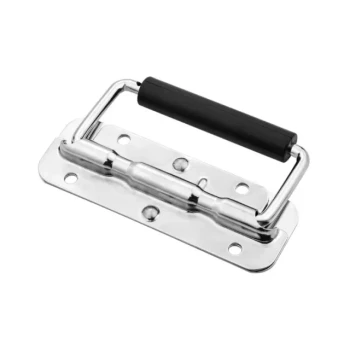
The hive lid functions as the primary defensive barrier for the entire colony structure. It is the top cover of the beehive, designed specifically to shield the internal environment and the bees from external weather conditions such as rain and intense sunlight.
Core Takeaway The hive lid acts as the colony's roof, providing essential protection against the elements. Its main purpose is to maintain a stable, dry interior by blocking precipitation and regulating exposure to the sun, ensuring the colony's survival and productivity.
The Critical Role of Weather Protection
Shielding from Precipitation
The most fundamental purpose of the hive lid is to act as a waterproof seal. According to standard hive construction principles, the lid prevents rain from entering the hive body.
Keeping the interior dry is vital for colony health. Moisture intrusion can lead to mold growth, disease, and structural damage to the honeycomb, making the lid's role as a rain guard non-negotiable.
Protection from Solar Exposure
In addition to blocking rain, the hive lid shields the colony from the sun. By providing a physical barrier against direct sunlight, it helps the bees regulate the internal temperature of the hive.
Without this top cover, the colony would be exposed to extreme heat fluctuations, forcing the bees to divert energy from foraging and honey production to cooling the hive.
Interaction with Internal Hive Structures
Covering the Honey Storage Zone
In specific hive designs, such as those used for stingless bees, the hive composition includes a "topping" or top box. This structure is installed above the original nest specifically to store honey.
The hive lid sits atop this section. Its role here is to seal the upper limits of the storage zone, ensuring that the honey separation strategy remains secure from external threats.
Facilitating Low-Stress Harvesting
The use of a top box separates the honey storage zone from the breeding zone. This design allows beekeepers to harvest honey by accessing only the top section, without disturbing the brood.
The hive lid is the component that must be removed to access this top box. By effectively sealing this upper layer, the lid protects the core hive area and supports a harvesting process that reduces bee mortality and colony stress.
Distinguishing Components: Lid vs. Top Box
It is a common misconception to confuse the lid with the top box (or topping), especially in modular hive designs.
The Function of the Top Box
The top box is an internal functional layer. It utilizes the bees' instinct to store honey in higher areas and facilitates the physical separation of resources. Its primary goal is storage and organization.
The Function of the Lid
The lid is the external protective layer. It does not store honey; rather, it protects the components that do.
The Trade-off: While the top box adds value by simplifying harvest and reducing colony abandonment risk, it introduces an additional layer that must be weather-sealed. The lid must be compatible with the top box to ensure that this added height does not compromise the hive's weather resistance.
Making the Right Choice for Your Goal
The type of protection you prioritize depends on your specific beekeeping objectives and hive design.
- If your primary focus is Colony Survival: Ensure your hive lid provides a complete, watertight overhang to protect the brood from rain and dampness.
- If your primary focus is Efficient Harvesting: Utilize a hive design with a distinct top box for honey storage, ensuring the lid acts as a removable seal for this specific section to minimize colony disturbance.
Ultimately, the hive lid is the silent guardian of the colony, ensuring that the complex biological work occurring inside remains undisturbed by the chaotic weather outside.
Summary Table:
| Component | Primary Function | Impact on Colony |
|---|---|---|
| Hive Lid | Weather-resistant top cover | Prevents moisture intrusion and regulates temperature |
| Top Box | Modular honey storage zone | Facilitates low-stress harvesting and resource organization |
| Hive Body | Brood rearing and core nesting | Provides the fundamental structure for colony growth |
| Sealant Quality | Waterproofing and insulation | Prevents mold growth and reduces bee mortality rates |
Maximize Your Colony's Potential with HONESTBEE
At HONESTBEE, we understand that every component of your apiary—from the hive lid to the honey-filling machine—plays a critical role in your success. Whether you are a commercial apiary looking to scale production or a distributor seeking a reliable wholesale partner, we offer the full spectrum of beekeeping tools, machinery, and essential consumables.
Our portfolio includes everything from specialized hive-making hardware to honey-themed cultural merchandise, ensuring you have the high-quality equipment needed for efficient, low-stress honey production. Let us help you protect your colonies and streamline your operations with our comprehensive industry solutions.
Ready to upgrade your equipment? Contact us today to discuss our wholesale offerings!
Related Products
- Premium Comfort Grip Spring-Loaded Hive Handles
- Professional Engraved Round Hive Number Tags for Beekeeping
- Professional Grade Foldable Beehive Handles
- Durable Plastic Hive Number Set for Beekeeping
- Stainless Steel Round Beehive Air Vents for Ventilation
People Also Ask
- How do the geometry and dimensions of hive handles influence operational safety and control? Expert Design Insights
- How do bee hive handles facilitate the evaluation of food stores? Use the Lift Test for Winter Survival
- What are the different types of hive tools available? Choose the Right Tool for Your Apiary
- How do hive tools and queen rearing equipment facilitate the bee colony splitting process? Restore Your Apiary Faster
- Why are professional hive tools & observation equipment necessary for queen rearing evaluation? Master Your Quality