In the context of beehive air monitoring, a queen excluder serves as a critical filter for data integrity. It physically isolates the queen in the lower brood chamber to prevent her potent pheromones from creating chemical "noise" in the sampling area.
Core Takeaway: By restricting the queen to the brood chamber, the excluder prevents sudden spikes in queen-specific pheromones within the honey super. This stabilizes the local atmosphere, allowing sensors to accurately detect subtle markers of environmental stress or disease without transient interference.
The Mechanics of Chemical Stabilization
To understand why the excluder is necessary for monitoring, you must look beyond its traditional use in honey production. It is used here to control biological variables that affect sensor readings.
Restricting Queen Movement
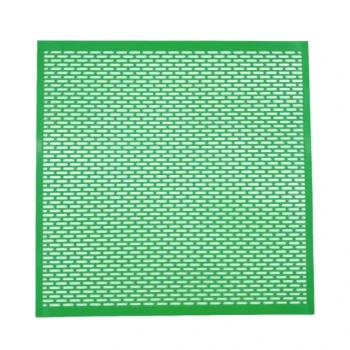
The excluder is a grid placed between the bottom brood chamber and the upper honey super.
Its openings are precisely gauged to allow smaller worker bees to pass through freely while physically blocking the larger queen.
This confinement ensures the queen remains in the lower section of the hive, preventing her from entering the upper "sampling zone."
Eliminating Pheromone Interference
The queen produces specific, powerful pheromones that regulate colony behavior.
If the queen enters the honey super, she introduces a massive, transient spike of these chemicals into the air being sampled.
This spike acts as interference, potentially obscuring or confusing the sensor data intended to monitor other conditions.
Enhancing Sensor Accuracy
The primary goal of using the excluder in this context is to improve the signal-to-noise ratio for your sensors.
Creating a Consistent Baseline
Reliable air monitoring requires a stable chemical baseline to detect anomalies effectively.
By keeping the queen's location constant, you remove a major variable from the upper hive's atmosphere.
Detecting Disease and Stress Markers
Air sampling is often used to detect faint chemical signatures associated with disease or environmental stress.
These stress markers can be subtle and easily drowned out by the queen's strong chemical presence.
Stabilizing the environment ensures that a change in air composition indicates a genuine health issue, not simply the queen moving upstairs.
Understanding the Trade-offs
While essential for chemical stability, introducing a queen excluder brings physical variables that must be managed.
Impact on Worker Movement
The excluder acts as a "traffic choke point" for worker bees moving between the brood box and the honey super.
While workers can pass through, the grid can slightly slow their movement or cause congestion.
Potential Airflow Considerations
Heavy congestion at the excluder could theoretically alter the natural airflow or ventilation within the hive.
However, for the specific purpose of chemical signal stability, the benefit of isolating the queen's pheromones far outweighs the minor impedance of worker traffic.
Making the Right Choice for Your Goal
Whether you are a researcher or a beekeeper, the utility of the excluder depends on what you are trying to optimize.
- If your primary focus is Air Monitoring Accuracy: You must use an excluder to prevent queen pheromones from creating transient interference and skewing stress marker data.
- If your primary focus is Honey Purity: You should use an excluder to prevent the queen from laying eggs in the supers, ensuring the honey remains free of brood and contaminants.
By strictly controlling the queen's location, you transform the honey super into a stable control zone, ensuring your data reflects the hive's health rather than the queen's position.
Summary Table:
| Feature | Impact on Air Monitoring | Scientific Benefit |
|---|---|---|
| Physical Isolation | Restricts queen to the lower brood chamber | Prevents pheromone "spikes" in upper supers |
| Signal Stabilization | Reduces chemical noise/interference | Increases detection sensitivity for stress markers |
| Data Integrity | Creates a consistent baseline environment | Ensures anomalies reflect health issues, not movement |
| Hive Management | Minimal airflow and worker impedance | Maintains honey purity while optimizing sensor accuracy |
Elevate Your Apiary Management with HONESTBEE
Precise data starts with professional-grade equipment. At HONESTBEE, we specialize in supporting commercial apiaries and distributors with a full spectrum of high-quality beekeeping tools. From precision-gauged queen excluders that ensure data integrity to advanced honey-filling machinery and specialized hive-making equipment, our wholesale offering is designed to scale your operations.
Whether you are monitoring hive health or optimizing honey production, our portfolio provides the essential hardware and consumables needed for modern, efficient beekeeping. Partner with us to secure the tools your business deserves.
Contact HONESTBEE Today for Wholesale Solutions
References
- Daria Ilić, Boris Brkić. Beekeeping breakthrough: unveiling hive health with a portable membrane inlet mass spectrometry detection method. DOI: 10.1007/s11356-024-34957-5
This article is also based on technical information from HonestBee Knowledge Base .
Related Products
- High Performance Plastic Queen Excluder for Beekeeping and Apiary Management
- Professional Plastic Queen Excluder for Modern Beekeeping
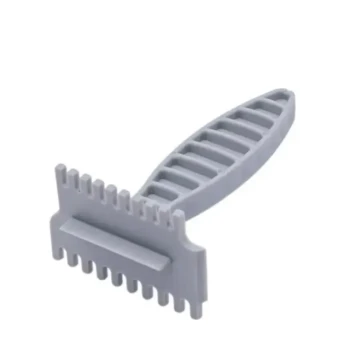
- Lightweight Durable Plastic Queen Excluder Scraper for Beekeeping
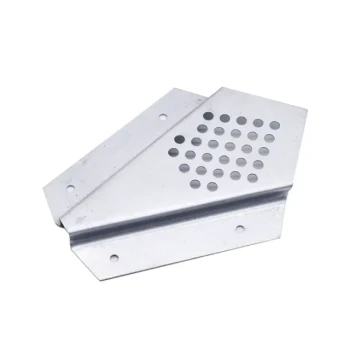
- Metal Queen Bee Excluder for Beekeeping
- Premium Wood Framed Metal Wire Queen Bee Excluder
People Also Ask
- What are the characteristics of a plastic queen excluder? Key Benefits for Cost-Effective Beekeeping
- What are the operational and cost advantages of using plastic queen excluders over metal or wire excluders in commercial hive management? Discover how they reduce labor, prevent wing damage, and lower total costs.
- What types of queen excluders are available for beekeepers? Choose the Right Tool for Your Hive
- Why are standardized hive frames and queen excluders essential for maintaining honey purity and quality? Scale Your Purity
- Do plastic queen excluders work? A Cost-Effective Solution for Modern Apiaries