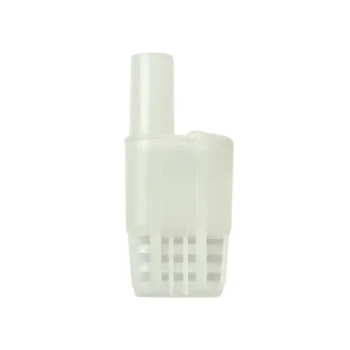
Queen cages serve as essential protective barriers during colony introduction. They function primarily as a temporary containment system that prevents the newly introduced queen from escaping while simultaneously shielding her from fatal attacks by resident worker bees during the critical acclimatization period.
The queen cage acts as a biological "airlock," allowing the colony to become accustomed to the queen's pheromones without physical contact, thereby converting a potential conflict into a safe integration.
Ensuring Survival During Introduction
The Physical Barrier Against Aggression
When a queen is introduced to a new mating nucleus, she is initially perceived as a foreign intruder. Without a cage, the resident worker bees would likely attack and kill her immediately.
The cage provides a rigid defensive perimeter. This allows the queen to be present within the hive structure without being subjected to physical harm or "balling" (suffocation) by the workers.
Preventing Premature Escape
Newly emerged queens are often skittish and prone to flight. If released directly onto a comb, a queen may fly off before she has oriented herself to the new location.
The cage confines the queen to the specific mating nucleus. This ensures she remains within the safety of the hive until she has settled and is ready for her mating flights.
Maintaining Vitality Inside the Cage
Simulating a Social Environment
A solitary queen is a stressed queen. Standardized cages often allow for the inclusion of a small number of "attendant" worker bees.
These attendants simulate a miniature social system. They groom the queen and engage in trophallaxis (food exchange), which is vital for maintaining her physiological health and reducing stress.
Nutritional Support
The cage is not just a prison; it is a life-support vessel. Most cages facilitate the manual addition of nutritional supplements, such as sugar candy.
This ensures the queen maintains her energy levels during the banking or transition process. In "push-in" style cages, the queen is placed over open cells, granting her direct access to honey and pollen on the comb.
Mitigating Physiological Stress
Transportation and introduction are high-stress events that can negatively impact a queen's reproductive potential, including sperm viability.
By combining physical protection with social support (attendants), the cage minimizes this stress. This logistical balance preserves the queen's biological potential until she is fully accepted.
The Mechanics of Acceptance
Controlled Pheromone Exchange
Successful introduction relies on chemistry, not just geography. The cage mesh allows for the free flow of air and scent between the queen and the colony.
This facilitates a gradual pheromone exchange. The workers slowly accept the queen's unique chemical signature as the "colony scent" without the ability to physically reject her.
High-Value Introduction Methods
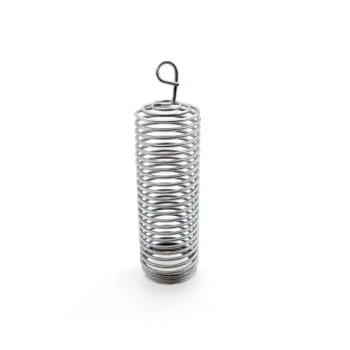
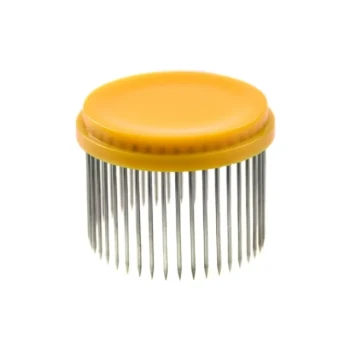
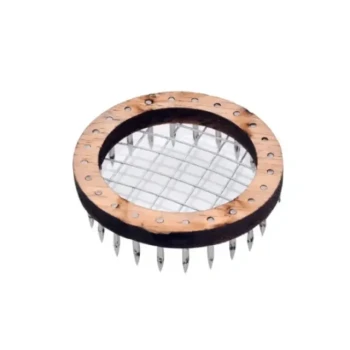
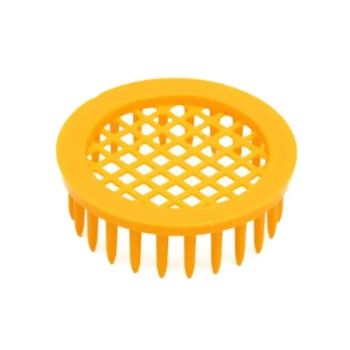
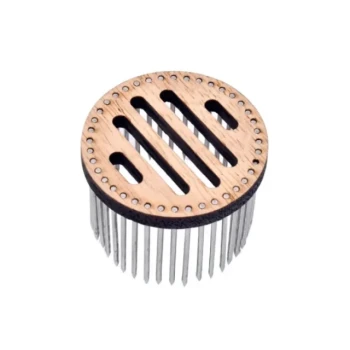
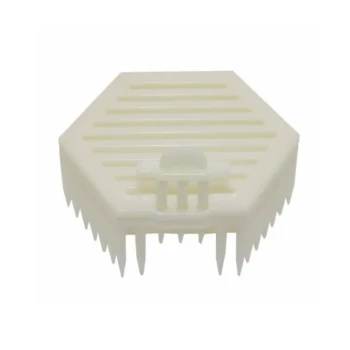
For particularly valuable queens, such as those artificially inseminated, standard cages may be replaced by "push-in" cages.
These are installed directly over emerging brood on the comb. This combines physical isolation with immediate contact with young, non-aggressive bees, significantly increasing acceptance rates.
Optimizing the Introduction Process
To ensure the highest success rate when introducing queens, match the cage strategy to your specific objective:
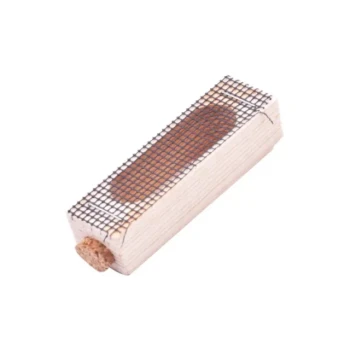
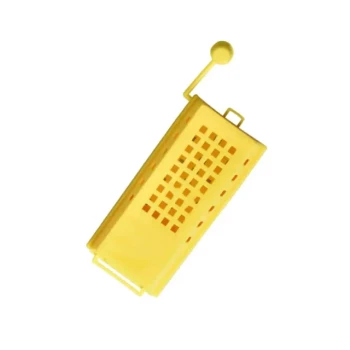
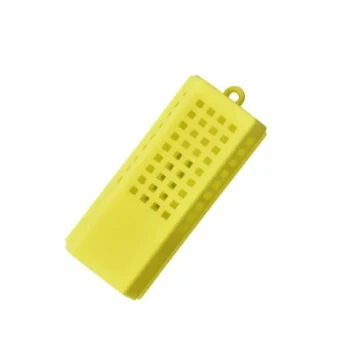
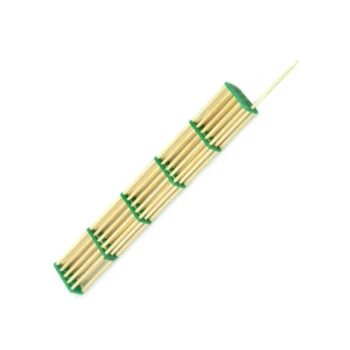
- If your primary focus is general mating nucleus introduction: Use a standard wooden or plastic cage with a candy plug to allow for a timed, automatic release once aggression subsides.
- If your primary focus is introducing high-value or AI queens: Utilize a push-in cage over emerging brood to maximize nutritional access and pheromonal integration before full release.
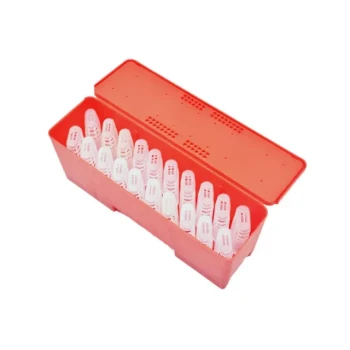
- If your primary focus is transportation or banking: Ensure the cage includes attendant workers and sufficient sugar candy to maintain the queen's physiological health during transit.
The queen cage is the critical interface that bridges the gap between a hostile environment and a functioning colony.
Summary Table:
| Feature | Purpose | Key Benefit |
|---|---|---|
| Physical Barrier | Prevents 'balling' and attacks | Immediate survival of the queen |
| Mesh Design | Allows pheromone exchange | Gradual colony-wide acceptance |
| Containment | Prevents premature flight | Ensures queen stays in the nucleus |
| Candy Plug | Facilitates timed release | Automated, stress-free integration |
| Attendant Support | Simulates social environment | Maintains queen's health and vitality |
Scale Your Apiary Success with HONESTBEE
Integrating new queens is a delicate process that requires the right tools to minimize loss and maximize productivity. At HONESTBEE, we specialize in supporting commercial apiaries and distributors with a comprehensive range of high-quality beekeeping equipment.
Whether you need precision queen cages, hive-making machinery, or professional-grade honey-filling systems, our wholesale portfolio is designed to enhance your operational efficiency. From essential industry consumables to unique honey-themed merchandise, we provide the tools you need to thrive.
Ready to elevate your beekeeping operations? Contact us today to explore our wholesale solutions and see how HONESTBEE can deliver value to your business.
References
- Nazlı CANVERDİ, Belgin Günbey. The effects of altitude and rearing period on some characteristics of honey bee queens, Apis mellifera caucasica Gorbachev, 1916 (Hymenoptera: Apidae). DOI: 10.16970/entoted.1207868
This article is also based on technical information from HonestBee Knowledge Base .
Related Products
- Durable Galvanized Steel Spring Queen Bee Cage
- Classic Wooden and Mesh California Queen Cage
- Professional Queen Bee Introduction and Transport Cage
- Professional Queen Cage with Sliding Gate and Feeder Plug
- Professional Multi-Compartment Queen Cage with Sliding Lid
People Also Ask
- Why are specialized queen bee cages used for the banking of mated queen bees? Maximize Commercial Apiary Storage Efficiency
- What is the mechanism of action for using temporary queen bee cages? Master Successful Queen Introduction
- What is the step-by-step process for installing a queen bee's cage onto a frame? Ensure Hive Acceptance Safely
- What is the optimal placement for a queen bee cage? Essential Strategies for Successful Re-queening
- What are the advantages and disadvantages of introducing a queen bee by embedding the cage? Boost Your Queen Acceptance