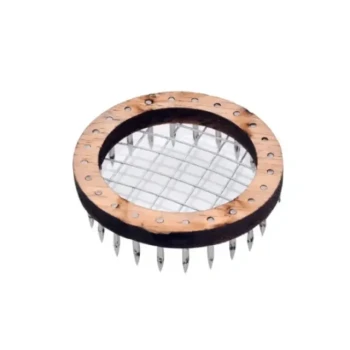
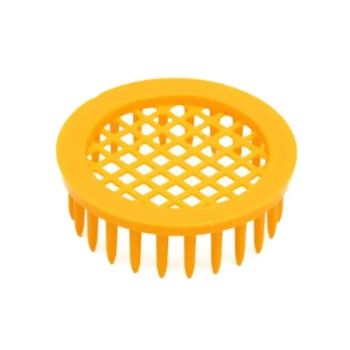
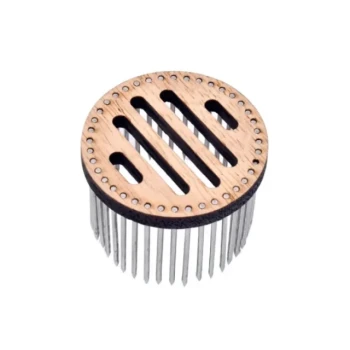
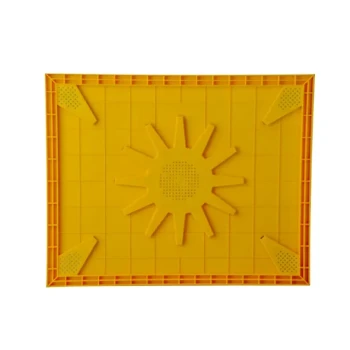
Evaluating synthetic acaricides requires precision tools that balance environmental simulation with rigorous scientific control. Specialized wooden cages with plastic mesh serve as the industry-standard micro-environment for honeybee toxicology, providing the necessary ventilation, physical isolation, and escape prevention required for accurate data. These cages allow researchers to administer precise, quantitative doses of acaricides through controlled food supplies, ensuring that survival and toxicity data are not skewed by external variables or cross-contamination.
Core Takeaway: Specialized wooden cages are essential laboratory consumables that provide a standardized, high-ventilation environment for honeybees. They enable the precise dosing and isolation required to determine the safety and efficacy of synthetic acaricides without the interference of colony-level variables.
Ensuring Precise Dosage and Quantitative Feeding
Controlled Nutritional Management
The design of these specialized cages allows for the precise administration of food sources, such as sugar candy or protein-rich bee bread. Researchers can integrate gravity feeders or syringes directly into the structure to manage the exact ratio of acaricides to nutrients.
Eliminating Foraging Variables
By housing bees in a controlled micro-environment, researchers eliminate the "social interference" and foraging variables found in a natural hive. This isolation ensures that observed effects on mortality or physiology are directly attributable to the specific acaricide concentration being tested.
Monitoring Survival and Consumption
The semi-open nature of the mesh allows for continuous, all-weather observation of the bees' health. This enables the daily monitoring of food consumption and survival rates, which is critical for identifying the toxic thresholds of synthetic chemicals over 24 to 48-hour periods.
Optimizing the Laboratory Environment
Superior Ventilation and Escape Prevention
Honeybees are highly sensitive to respiratory stress and temperature fluctuations. The combination of wooden frames and plastic mesh provides excellent airflow while ensuring that even the smallest worker bees cannot escape the testing area.
Minimizing Cross-Contamination
In high-volume laboratory settings, physical isolation between experimental groups is vital. These cages act as a barrier that prevents cross-contamination, ensuring that a high-dose acaricide group does not inadvertently influence the data of a control group or a low-dose group.
Simulation of Natural Survival States
While the environment is controlled, the use of natural materials like wood helps simulate the thermal properties of a hive environment. This balance of control and simulation ensures that the honeybees remain physiologically stable enough for the toxicology results to be scientifically valid.
Understanding the Trade-offs and Technical Considerations
Material Durability vs. Sterilization
While wooden cages provide an excellent simulation of the bees' natural environment, they are more difficult to sterilize than plastic or metal alternatives. Over time, wood can absorb chemical residues, making these cages highly standardized consumables that often require replacement to ensure experimental integrity.
Limited Social Interaction
The primary limitation of cage-based testing is the removal of the queen and the larger colony structure. While this isolation is necessary for isolating chemical variables, it may not fully capture the long-term, multi-generational impacts of acaricides on a functioning hive's complex social dynamics.
Maintenance of Humidity and Temperature
Because these cages are semi-open, they rely heavily on the ambient conditions of the laboratory. Failure to maintain precise temperature and humidity in the testing room can lead to dehydration or stress in the bees, potentially producing "false positive" results in toxicity reports.
Implementing High-Quality Sourcing for Research Success
Distributors and wholesalers must recognize that these cages are more than simple containers; they are precise scientific instruments. Providing a consistent, high-quality supply of these consumables is essential for labs that require reproducible data and rapid order fulfillment to meet research deadlines.
- If your primary focus is Research Accuracy: Prioritize cages with fine-gauge plastic mesh to ensure total escape prevention and maximum ventilation.
- If your primary focus is High-Throughput Testing: Source standardized wooden cages that allow for rapid assembly and easy insertion of feeding devices to streamline laboratory workflows.
- If your primary focus is Cost-Efficiency and Reliability: Partner with a one-stop supplier who can provide rapid response times and a full-spectrum portfolio of laboratory-grade apiculture tools.
Selecting the right specialized cage ensures that acaricide evaluations are grounded in precision, leading to safer and more effective products for the global beekeeping industry.
Summary Table:
| Feature | Key Benefit | Impact on Research |
|---|---|---|
| Wooden Frame | Natural thermal simulation | Maintains honeybee physiological stability |
| Plastic Mesh | High ventilation & visibility | Enables 24/7 observation & escape prevention |
| Isolation Design | Eliminates social variables | Ensures data reflects specific chemical effects |
| Feeding Integration | Quantitative dosing control | Accurate determination of toxic thresholds |
| Standardized Size | High-throughput compatibility | Streamlines laboratory workflows and replication |
Partner with HONESTBEE for Premium Beekeeping Solutions
At HONESTBEE, we understand that distributors and B2B resellers require more than just products—you need a reliable partner with deep industry expertise. We offer a comprehensive one-stop sourcing experience, providing everything from specialized laboratory consumables and hive-making machinery to high-efficiency honey-filling equipment.
Why choose HONESTBEE?
- Full-Spectrum Portfolio: A complete range of tools and machinery tailored for commercial apiaries.
- Rapid Fulfillment: Efficient order processing and ultra-fast delivery to keep your supply chain moving.
- Wholesale Excellence: Competitive margins and OEM/ODM support designed to help you scale.
- Exceptional Service: Dedicated support to ensure your specific procurement needs are met with precision.
Elevate your product offering with a trusted global supplier. Contact us today to discuss our wholesale offerings and see how we can drive your business forward!
References
- Paula Melisa Garrido, Martín J. Eguaras. Immune-related gene expression in nurse honey bees (Apis mellifera) exposed to synthetic acaricides. DOI: 10.1016/j.jinsphys.2012.10.019
This article is also based on technical information from HonestBee Knowledge Base .
Related Products
- Assembled Wooden Bee Frames with Plastic Foundation for Durability and Convenience by HONESTBEE
- Classic Wooden and Mesh California Queen Cage
- Wood and Mesh Push-In Queen Cage
- Assembled Wooden Bee Frames with Beeswax Foundation Ready to Use by HONESTBEE
- Durable Plastic Push In Queen Bee Cage
People Also Ask
- When should frames with new foundation be given to colonies? Master Timing for a Thriving Hive
- Can beekeepers switch between wooden and plastic frames? Optimize Your Hive's Performance
- How do you re-wax bee frames? A Simple Guide to Faster Comb Building
- What types of bee frames can be cleaned and returned to service? A Guide to Safe Apiary Refurbishment
- Do you have to wire bee frames? Essential Guide to Frame Strength & Honey Harvesting