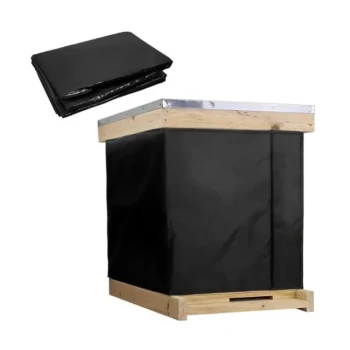
The primary purpose of wrapping beehives is to bolster the colony's ability to regulate its internal environment against harsh weather. Specifically, wrapping serves three functions: it significantly reduces wind exposure, retains heat generated by the bees, and shields the hive structure from water infiltration.
Core Takeaway: Wrapping is an energy management tool that helps bees maintain a life-sustaining cluster temperature without exhausting their honey stores. However, insulation must always be balanced with ventilation to prevent the accumulation of fatal moisture.
The Mechanics of Winter Survival
Thermal Regulation and Energy Conservation
Bees do not hibernate; they vibrate their wing muscles to generate heat, maintaining the brood nest at a stable 90-95°F (32-35°C).
Wrapping the hive acts as a thermal blanket, dampening abrupt temperature swings and extreme cold.
This stability allows the colony to burn fewer calories to stay warm, thereby conserving their limited supply of stored honey and reducing the risk of starvation before spring.
Moisture Management
Paradoxically, the greatest threat to winter bees is often moisture, not just cold.
When warm, moist air from the cluster hits cold hive walls, it creates condensation that can drip onto the bees; wet bees in winter will die.
Wraps help keep the interior walls warmer, reducing surface condensation, while upper entrances provided in the wrap allow moist air to escape.
Wind Protection
Wind strips heat away from a hive much faster than still air.
By wrapping the hive—often in black plastic to absorb solar radiation—you create a windbreak that minimizes drafts.
This is particularly vital if the hive location is exposed, as it prevents the "chimney effect" from drawing all the heat out of the cluster.
Understanding the Trade-offs
The Danger of Over-Insulation
There is a critical distinction between keeping a hive warm and suffocating it.
Excessive insulation without an escape route for air will trap moisture, leading to damp air, mildew, and a toxic environment for the colony.
The Necessity of Ventilation
You must ensure that wrapping does not seal the hive completely.
Most wraps include an upper entrance hole, often paired with a notched inner cover or a shim.
This upper opening is non-negotiable: it provides necessary airflow, releases humidity, and offers an emergency exit for "cleansing flights" (defecation) if snow blocks the lower entrance.
Strategic Considerations
Hive Geometry
The physical structure of your equipment influences insulation needs.
8-frame hives are naturally more compact than 10-frame hives, offering a warmer environment for the winter cluster.
The narrower design also makes it easier for the cluster to move laterally to access honey reserves during cold snaps.
Proper Timing
Protective measures should generally be applied around the time of the first hard freeze in autumn.
Applying wraps too early can lead to overheating, while applying them too late exposes the colony to early-season shock.
Making the Right Choice for Your Goal
- If your primary focus is conserving honey stores: Use insulation to minimize the energy the bees must expend to generate heat.
- If your primary focus is preventing colony collapse: Prioritize ventilation features (upper entrances) within the wrap to eliminate condensation.
- If your primary focus is early spring growth: Use insulation to shield the colony from late-season cold snaps, encouraging earlier brood rearing.
Successful wintering relies on helping the bees keep themselves dry first, and warm second.
Summary Table:
| Feature | Primary Function | Key Benefit |
|---|---|---|
| Thermal Wrap | Heat retention & solar absorption | Reduces honey consumption by stabilizing internal temp |
| Wind Barrier | Blocks cold drafts | Prevents the "chimney effect" from stripping hive heat |
| Upper Ventilation | Moisture & gas exchange | Prevents fatal condensation and allows cleansing flights |
| Hive Geometry | Compact 8-frame/10-frame design | Improves cluster efficiency and access to food stores |
Maximize Your Colony Survival Rate with HONESTBEE
Transitioning through winter requires more than just knowledge; it requires professional-grade equipment. At HONESTBEE, we specialize in supporting commercial apiaries and distributors with high-performance beekeeping tools and machinery.
Whether you need precision honey-filling machines to prepare your harvest for market or durable hive-making machinery and essential consumables for the winter season, we provide the full spectrum of wholesale solutions. Our team is dedicated to helping you scale your operations and protect your investment.
Ready to elevate your beekeeping business? Contact our experts today to discuss how our comprehensive equipment portfolio can support your success.
Related Products
- Professional Insulated Winter Hive Wrap for Beekeeping
- Inner Beehive Cover for Beekeeping Bee Hive Inner Cover
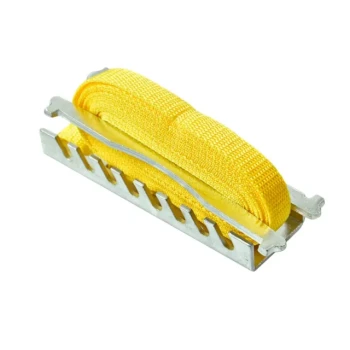
- Heavy-Duty Nylon Beehive Hive Strap with Stainless Steel Cinch Buckle
- Professional Galvanized Hive Strap with Secure Locking Buckle for Beekeeping
- Australian Langstroth Beehive Boxes for Beekeeping Wholesales
People Also Ask
- What are the steps to properly wrap a beehive for winter? Ensure Your Colony Survives the Cold
- When is the best time to wrap a beehive for winter? A Guide to Perfect Winterization Timing
- How do professional insulation wraps provide protection for bee colonies? Optimize Winter Survival & Energy Efficiency
- What are the technical benefits of using winter wraps for beehive insulation? Boost Colony Survival & Hive Health
- What are the benefits of using insulated covers for hives? Ensure Colony Survival and Health