The optimal temperature range for heating honey is strictly between 35°C and 40°C (95-104°F). Maintaining this specific thermal window allows you to liquefy the honey or reduce its viscosity for processing without compromising its chemical structure or nutritional value.
Precision is critical when working with raw honey; it is a heat-sensitive product. The absolute maximum temperature threshold is 40°C (104°F), as exceeding this limit triggers the degradation of natural enzymes and overall quality.
The Science of Temperature Control
Preserving Nutritional Integrity
Honey is not just sugar; it is a complex substance containing heat-sensitive enzymes and nutrients.
To liquefy crystallized honey or prepare it for bottling, you must maintain a temperature between 35-40°C (95-104°F).
This range effectively mimics the natural ambient temperature within a beehive, ensuring the honey remains in its raw, natural state.
The Hard Limit
It is imperative that the temperature does not exceed 40°C (104°F) at any point during the heating process.
Crossing this thermal threshold is the primary cause of nutritional loss in honey processing.
Once honey is overheated, the damage to its internal structure is irreversible.
Operational Benefits of Gentle Warming
Improving Viscosity for Filtration
Beyond liquefying crystals, there is a practical reason to apply gentle heat: viscosity reduction.
Warming the honey makes it significantly more fluid, which facilitates the filtering process.
This allows for the removal of debris or wax particles without requiring high pressure or damaging the honey's texture.
Consistent Liquefaction
Heating within the recommended window ensures that the honey returns to a liquid state uniformly.
This controlled approach prevents "hot spots" that can occur with rapid, high-temperature heating methods.
Understanding the Trade-offs
The Risk of Overheating
The primary trade-off in honey processing is speed versus quality.
Higher temperatures would liquefy honey faster, but they destroy the beneficial properties that give raw honey its value.
Overheated honey loses its enzymatic activity and may suffer from flavor degradation.
Patience is Required
Operating within the 35-40°C range requires more time than high-heat industrial methods.
You must accept a slower liquefaction process to guarantee the final product retains its premium classification.
Rushing the process with higher heat is a fundamental error in honey management.
Making the Right Choice for Your Goal
To achieve the best results, tailor your approach based on your specific objective while respecting the thermal limit.
- If your primary focus is nutritional preservation: Ensure your heating element is thermostatically controlled to never surpass 40°C (104°F) to protect enzymes.
- If your primary focus is processing and filtration: Warm the honey gently to the lower end of the range (35°C) just enough to improve flow and reduce drag on your filters.
Treat temperature control as the single most important variable in maintaining the integrity of your honey.
Summary Table:
| Aspect | Recommended Range | Critical Threshold | Objective |
|---|---|---|---|
| Optimal Temperature | 35°C - 40°C (95°F - 104°F) | Max 40°C (104°F) | Preserving enzymes & nutrients |
| Processing (Filtration) | 35°C (95°F) | Max 40°C (104°F) | Reducing viscosity & debris removal |
| Liquefaction | 38°C - 40°C (100°F - 104°F) | Max 40°C (104°F) | Melting crystals uniformly |
| Result of Overheating | > 40°C (104°F) | Irreversible Damage | Loss of flavor & enzymatic activity |
Maximize Your Honey Quality with HONESTBEE Professional Solutions
Preserving the delicate balance of raw honey requires more than just knowledge—it requires the right tools. HONESTBEE empowers commercial apiaries and distributors with high-performance beekeeping machinery and specialized equipment designed for precision thermal management.
Whether you need thermostatically controlled honey-filling machines, industrial-grade filtration systems, or a complete suite of wholesale beekeeping consumables, we provide the hardware to ensure your honey stays premium.
Ready to scale your production without compromising quality?
Contact HONESTBEE Today for a Wholesale Quote
Related Products
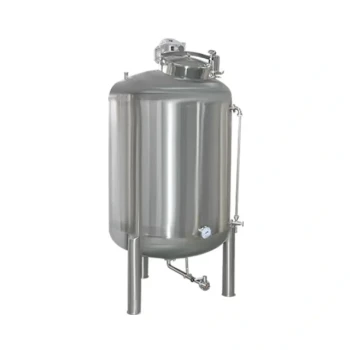
- Stainless Steel Heated Honey Tank Warming Heating Tank
- Honey Tank Heater Drum Heating Blanket for Honey Barrel
- Silicone Rubber Honey Drum Heating Belt
- 0.5T Capacity Honey Dehumidifier Dryer with Vacuum Heating and Thickening Filtering Machine
- Honey Concentrating Vacuum Heating Thickening Machine Dehumidifier for Honey
People Also Ask
- What are the benefits of precise temperature control in honey heating tanks? Preserve Quality and Efficiency
- How do honey heating tanks offer scalability for growing beekeeping operations? Strategic Equipment Growth Solutions
- What features of a honey heating tank contribute to hygiene? Ensure Purity with Stainless Steel & Sanitary Design
- What is the primary role of a honey heating tank? Enhance Your Honey Processing Flow and Quality
- What is the purpose of using heating tanks or constant temperature water baths in honey dehydration? Optimize Purity & Flow