A honeybound brood nest occurs when worker bees fill the available cells in the brood chamber with honey, leaving no empty space for the queen to lay eggs. When using a queen excluder, this risk increases because the device places an artificial cap on the brood nest, potentially causing bees to backfill the lower boxes rather than crossing the excluder to store honey in the supers.
The presence of a queen excluder transforms the hive from a flexible vertical space into a restricted environment. Without active intervention, bees may prioritize storage over brood expansion, leading to a crowded queen, halted colony growth, and a significantly higher likelihood of swarming.
The Mechanics of a Honeybound Hive
How Congestion Occurs
In a natural setting, the queen moves upward as she expands the brood nest. A queen excluder acts as a physical barrier that restricts her to the lower boxes. If the worker bees are reluctant to pass through the excluder or if the supers are full, they will begin storing incoming nectar in the brood cells that the queen has recently vacated.
The Impact on Colony Health
Once the brood area is "honeybound" (filled with nectar and honey), the queen has nowhere to lay. This breaks the brood cycle, leading to a future dip in population. Furthermore, this congestion signals to the colony that they have outgrown their space, which is a primary trigger for the swarming impulse.
Managing the Risk via Frame Rotation
Implementing the Rotation Strategy
To prevent a honeybound condition, you must manually manage the space within the brood box. The primary method is to rotate honey-filled combs out of the brood nest and move them up into the honey supers.
Creating Space for the Queen
By moving honey frames up, you can replace them with empty drawn comb or foundation frames in the brood box. This immediately provides the queen with fresh space to lay eggs and stimulates the bees to draw new comb, relieving the pressure in the lower hive.
Increased Inspection Frequency
Because the excluder restricts the queen's natural movement, you cannot rely on the bees to manage space autonomously. You must commit to regular weekly inspections to monitor the egg-laying rate and ensure the queen is not running out of room.
Understanding the Trade-offs
Management Complexity
Using a queen excluder requires a higher level of beekeeping intervention. You are trading the convenience of honey-only supers for the labor of manually balancing the brood nest. Failure to rotate frames at the right time can lead to the very congestion you are trying to avoid.
Ventilation and Overheating
Bees frequently build burr comb on the excluder itself. This can restrict airflow through the hive, leading to overheating in hot weather. Poor ventilation compounds the stress on a crowded colony, further encouraging swarm preparations.
Physical Damage and Obstruction
There is a physical toll on the colony as well. Some excluders, particularly punched plastic models, may have sharp edges that damage worker wings. Additionally, drones trapped above the excluder can die and clog the mesh, further impeding the movement of workers carrying nectar to the supers.
Making the Right Choice for Your Goal
- If your primary focus is maximizing honey harvest: Commit to weekly inspections and aggressively rotate honey-bound frames up to the supers to keep the brood nest open.
- If your primary focus is low-maintenance management: Consider that the added complexity of managing an excluder may outweigh the benefits, as missed inspections can quickly lead to swarming.
- If your primary focus is swarm prevention: Monitor the brood box for backfilling and remove the excluder or add space immediately if you see the queen's laying area shrinking.
Success with a queen excluder relies not on the device itself, but on your willingness to actively manipulate the frames to compensate for the artificial barrier you have introduced.
Summary Table:
| Aspect of Honeybound Risk | Impact on the Colony | Management Solution |
|---|---|---|
| Space Restriction | Queen has no cells to lay eggs, halting population growth. | Rotate honey-filled frames up to supers and add empty comb. |
| Swarming Trigger | Congestion signals the hive is full, leading to colony loss. | Conduct weekly inspections to ensure the queen has laying space. |
| Airflow & Bur Comb | Restricted ventilation can cause overheating and stress. | Clean burr comb from excluders and ensure proper hive ventilation. |
| Dermal Barrier | Trapped drones and worker wing damage from poor excluders. | Use high-quality metal excluders and clear drone debris regularly. |
Maximize Your Honey Yield with Professional Beekeeping Solutions
Don't let a honeybound brood nest compromise your season. At HONESTBEE, we provide the specialized equipment you need to manage commercial apiaries with precision. From high-quality queen excluders that minimize worker damage to advanced honey-filling machines and hive-making hardware, we support distributors and commercial beekeepers globally.
Our comprehensive wholesale offering includes:
- Beekeeping Machinery: Specialized tools for efficient hive management.
- Essential Consumables: Durable hardware and honey-themed cultural merchandise.
- Wholesale Support: Tailored solutions for large-scale operations and distributors.
Ready to optimize your apiary’s efficiency? Contact us today to discuss our full spectrum of beekeeping tools and equipment!
Related Products
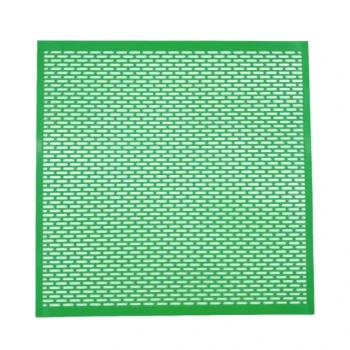
- High Performance Plastic Queen Excluder for Beekeeping and Apiary Management
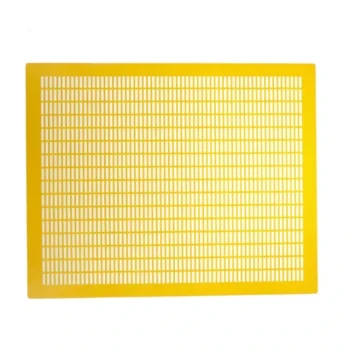
- Professional Plastic Queen Excluder for Modern Beekeeping
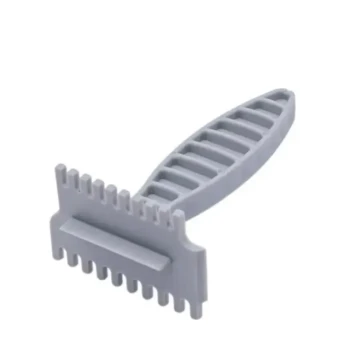
- Lightweight Durable Plastic Queen Excluder Scraper for Beekeeping
- Metal Queen Bee Excluder for Beekeeping
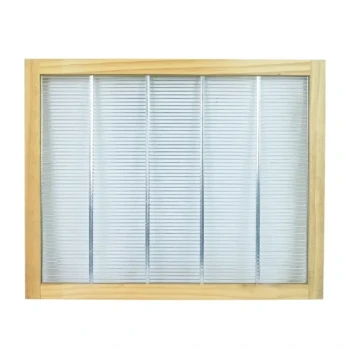
- Premium Wood Framed Metal Wire Queen Bee Excluder
People Also Ask
- What are the characteristics of a plastic queen excluder? Key Benefits for Cost-Effective Beekeeping
- What are the operational and cost advantages of using plastic queen excluders over metal or wire excluders in commercial hive management? Discover how they reduce labor, prevent wing damage, and lower total costs.
- What types of queen excluders are available for beekeepers? Choose the Right Tool for Your Hive
- Why are standardized hive frames and queen excluders essential for maintaining honey purity and quality? Scale Your Purity
- Do plastic queen excluders work? A Cost-Effective Solution for Modern Apiaries