A honey filter functions as the decisive mechanical checkpoint in honey processing, transforming raw extraction into a consumable product. Its primary role is to physically strain out solid impurities—specifically wax particles, dust, and organic debris—while maintaining the honey's natural chemical composition.
Core Takeaway Honey filtration is a balancing act between purification and preservation. While its immediate function is to remove physical debris and suspended solids to meet safety standards, its deeper value lies in stabilizing the product against separation and crystallization without degrading its natural nutrients or flavor profile.
The Mechanics of Purification
Physical Removal of Contaminants
The foundational role of a honey filter is the extraction of mechanical impurities. As honey is extracted from the comb, it inevitably collects foreign materials.
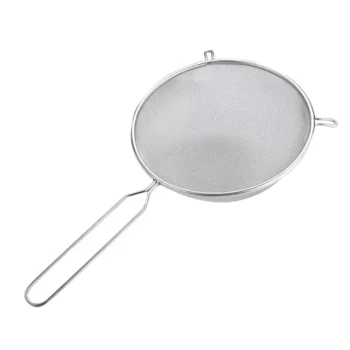
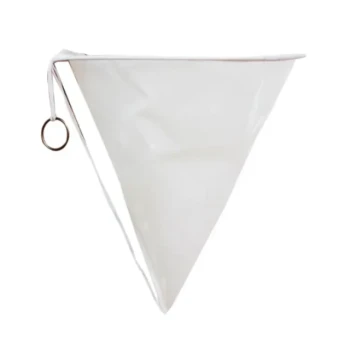
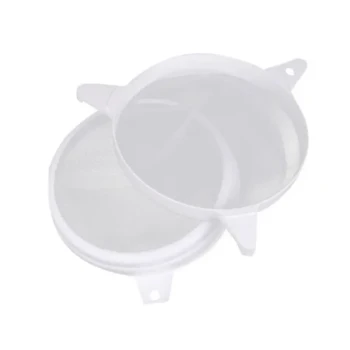
Filters utilize fine screens or meshes to trap distinct particles such as beeswax, bee remains, and environmental dust. By removing these organic residues, the filter ensures the final product meets international food safety and hygiene standards.
Enhancing Visual Clarity
Consumer confidence is often driven by the appearance of the product. Filtration is responsible for creating the transparent, pure appearance associated with high-quality honey.
Industrial-grade fine-pore filtration removes the suspended particles that cause cloudiness. This results in a visually appealing product that allows light to pass through, which is essential for higher market grades.
Assisting the Processing Flow
Filtration is rarely a standalone step; it is integrated into the flow of processing. To ensure honey passes through fine meshes effectively, the process often utilizes light pressure and gentle heat.
This combination improves the flow rate of the viscous liquid. However, the application of heat must be carefully controlled to keep the honey warm enough to filter efficiently without cooking it.
Ensuring Stability and Quality
Preventing Phase Separation
Beyond simple cleaning, proper filtration affects the physical stability of the honey in the jar. High-quality processing machinery uses filtration to prevent phase separation or layering.
When honey contains varying densities of debris or uneven textures, it can separate over time. Filtration creates a homogenous mixture, ensuring consistency from the top of the jar to the bottom.
Controlling Crystallization and Sediment
Unfiltered particles often act as "nucleation points" where sugar crystals begin to form. By removing physical impurities like wax debris, filters help prevent uneven crystallization.
While honey may naturally crystallize over time, filtration ensures it does not form unsightly sediment layers. This extends the shelf life and maintains the sensory purity of the product.
Preserving Biological Activity
Advanced filtration systems are designed to clean the honey without stripping it of its value. The goal is to maintain antioxidant indicators and biological activity.
By using closed-loop filling paths and precise mesh sizing, producers can ensure that the natural nutrients and distinct flavor profiles of monofloral honeys are preserved during the cleaning process.
Understanding the Trade-offs
The Heat vs. Nutrient Balance
The most critical trade-off in filtration is temperature control. While heat lowers viscosity and makes filtration faster and easier, excessive heat degrades quality.
If the temperature is raised too high to force honey through a very fine filter, it can damage enzymes and reduce antioxidant levels. The process must rely on gentle heat to preserve the nutritional integrity of the honey.
Filtration Grade vs. Processing Time
The fineness of the mesh dictates both the purity and the speed of production. Extremely fine filters offer high clarity but require more pressure or time to process viscous honey.
Using a filter that is too fine can create a bottleneck, potentially necessitating higher heat (which carries the risks mentioned above). The mesh size must be matched to the desired end-product consistency.
Making the Right Choice for Your Goal
Whether you are a hobbyist or a commercial producer, the filtration strategy defines your final product.
- If your primary focus is Raw/Natural Honey: Prioritize coarser mesh filters and minimal heat to retain maximum pollen and enzymatic activity, accepting slightly lower clarity.
- If your primary focus is Commercial Shelf Stability: Utilize fine-pore filtration systems with controlled temperature to ensure high transparency and prevent premature crystallization.
- If your primary focus is High-Volume Efficiency: Implement automated filling machines with multi-stage filtration to maintain consistent flow rates while isolating external contaminants.
Ultimately, a honey filter is not just about cleaning; it is about refining the product to ensure safety and stability while respecting the natural chemistry of the hive.
Summary Table:
| Feature | Function | Impact on Quality |
|---|---|---|
| Physical Screening | Removes wax, dust, and organic debris | Ensures food safety and hygiene |
| Clarity Enhancement | Eliminates suspended particles | Improves visual transparency and market grade |
| Crystallization Control | Removes nucleation points | Prevents premature sediment and layering |
| Homogenization | Creates a consistent mixture | Ensures stable texture throughout the shelf life |
| Thermal Management | Gentle heat during filtration | Maintains flow without degrading enzymes |
Elevate Your Honey Production with HONESTBEE
Maximize the purity and market value of your honey with professional-grade filtration and processing solutions from HONESTBEE. As a premier partner for commercial apiaries and distributors, we provide everything you need to scale your operations efficiently.
Why partner with HONESTBEE?
- Comprehensive Equipment: From high-precision honey-filling machines to specialized hive-making hardware.
- Wholesale Tools & Machinery: A full spectrum of beekeeping tools designed for durability and industrial performance.
- Essential Consumables: A wide array of industry-standard consumables to keep your production moving.
- Cultural Merchandise: Unique honey-themed products to diversify your retail portfolio.
Ready to optimize your honey quality and processing speed? Contact our experts today to discover how our wholesale offerings can grow your business.
Related Products
- Professional Stainless Steel Honey Filtering Machine with Water Bath Heating for Beekeeping
- Electric Double Wall Honey Filtering Machine Purifier Equipment for Honey Processing Plant
- Professional Stainless Steel Honey Filter with Support Handle
- Professional Honey Filter with Tripod Support Stand
- Professional Cone-Shaped Honey Filter with Reinforced Steel Ring
People Also Ask
- Why do people filter honey? For Clarity, Stability, and Consumer Appeal
- Is it necessary to filter honey after extraction? A Guide to Straining vs. Raw Honey
- What is the best way to filter honey? A Guide to Quality, Clarity, and Raw Preservation
- Why is filtering honey an important step in honey processing? Ensure Purity, Clarity & Marketability
- What are the benefits of using honey filters? Achieve Purity, Efficiency, and Market Appeal